Blog
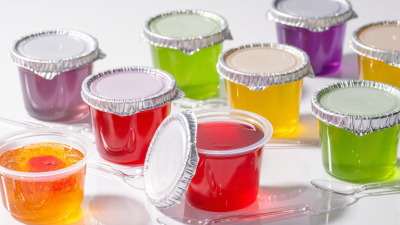
10 Best Cup Jelly Suppliers for Global Buyers
Cup Jelly may look simple: a bright cup, a foil lid, and a spoonful of fruit-flavored jelly. For global buyers, the real differences sit behind that first impression. Ingredient consistency, texture, seal quality, shelf-life data, and dependable communication can shape whether a product suits a retailer, distributor, or food-service business. Small details matter. A lid that peels unevenly can frustrate customers; a batch that varies in firmness can weaken repeat orders.
As an illustrative expert voice, not a verified quotation, food-sourcing adviser Elena Park puts the point this way: “A good Cup Jelly supplier delivers the same experience in every cup, not just an attractive sample.” That is a useful standard, though no single test can prove long-term reliability. Buyers should compare product samples with written specifications, ask how suppliers manage batch consistency, and review packaging options before making commitments. A polished catalog is not enough.
This guide examines ten Cup Jelly suppliers through practical buyer questions: What products do they offer? Can they support different order sizes? How clearly do they explain ingredients, packaging, and production capabilities? The answers may help narrow a crowded market, but the list is a starting point, not a guarantee. Supplier information can change, and a promising first conversation may not reveal every weakness. Check the details. Ask again. Then choose with care.
Read more »
 By:Amelia
- November 25, 2026
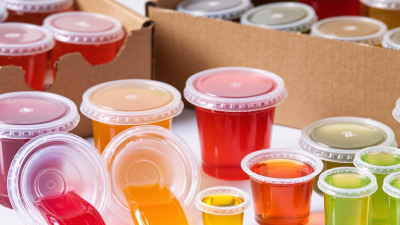
7 Tips for Sourcing Jelly Cups in Bulk
Jelly Cups can look simple on a product list, but sourcing them in bulk involves more than comparing prices. Buyers need to consider cup size, jelly texture, flavor range, lid seal, and packaging. A small mismatch can create practical problems. Cups that photograph well may not fit a retailer’s shelves or delivery cartons.
Start with clear specifications. Note the serving volume, materials, carton quantity, shelf-life expectations, and any storage requirements. Request current product and food-contact documentation from suppliers, then check that the details match the goods being quoted. A sample helps. So does a written quotation.
Price matters, but the unit cost rarely tells the whole story. Freight, minimum order quantities, production lead times, and damage rates can change the final cost. Ask how the supplier handles quality checks and what happens when a shipment arrives with inconsistent seals or labeling. Specific answers are more useful than broad promises.
This guide outlines seven practical tips for sourcing Jelly Cups in bulk, from defining your requirements to assessing suppliers and planning delivery. It also highlights details that are easy to miss, such as carton dimensions and sample-to-order consistency. No checklist removes every risk. Even careful buyers may need to revise their assumptions after testing a sample or reviewing a first order. That is worth acknowledging. A measured approach can help you compare offers fairly, spot unanswered questions, and choose a supplier that fits your needs—not just the lowest quoted price.
Read more »
 By:Charlotte
- November 20, 2026
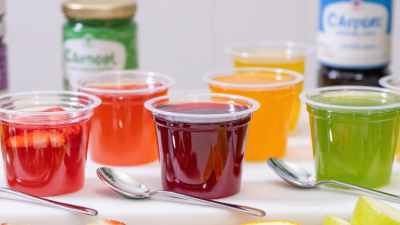
7 Fruit Jelly Buying Tips for Global Buyers?
Fruit Jelly can look simple in a sample cup: bright color, a clean fruit aroma, and a smooth spoonful. For global buyers, though, a good sample is only the beginning. The product must also match its specification, travel well, and remain consistent across production batches. A useful quality principle comes from W. Edwards Deming: “Quality is everyone’s responsibility.” His words are not specific to Fruit Jelly, but they fit every step, from ingredient selection to final inspection.
This guide explores seven practical buying tips. Buyers should compare fruit content, flavor, texture, sweetness, and ingredient declarations against clear product requirements. Ask suppliers for technical data, recent test results, shelf-life details, and samples from routine production—not just showcase batches. Check packaging dimensions and seal quality, too. A jar that looks sturdy on a desk may be less convincing after a long shipment.
Details matter. A lot.
Price deserves attention, but it cannot tell the whole story. Confirm production capacity, communication practices, traceability information, and the supplier’s ability to keep batches consistent. Requirements vary by destination, so buyers should verify applicable import and labeling rules with qualified local advisers. No checklist removes every uncertainty. Even experienced teams can miss a small mismatch between a sample and a written specification. These seven tips offer a practical starting point for asking sharper questions, documenting expectations, and choosing Fruit Jelly with fewer surprises.
Read more »
By:Charlotte
- November 17, 2026
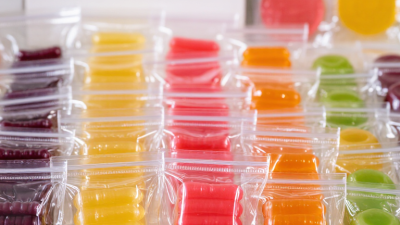
How to Choose the Best Jelly Candy Supplier
Choosing a Jelly Candy supplier is not just about finding bright colors and a sweet sample. Buyers need to assess whether a supplier can deliver consistent texture, reliable lead times, clear ingredient information, and packaging that protects each piece. The market context makes that decision important. Grand View Research’s Sugar Confectionery Market Size, Share & Trends Analysis Report estimated the global market at USD 58.8 billion in 2022 and projected a 4.7% compound annual growth rate from 2023 to 2030. A growing market can bring more supplier options, but it can also make quality differences harder to spot.
Look beyond a polished catalog. Request product specifications, recent batch records, allergen controls, and samples from more than one production run. Check whether the supplier explains shelf life, storage conditions, and how it handles changes in color or firmness. Small details matter. A jelly candy that arrives sticky or misshapen may create extra work for your team, even when the quoted price looks attractive. For additional sourcing context, ITC Trade Map offers trade data for sugar confectionery under HS code 1704; it can help buyers compare exporting markets, though it cannot verify an individual factory’s performance. This guide outlines practical questions for evaluating suppliers, from production capability to communication and quality assurance. No checklist replaces a factory assessment. And a good sample alone is not proof. I would treat every claim as something to verify, especially when a supplier is new or the order volume is large.
Read more »
By:Charlotte
- November 17, 2026
10 Best Jelly Pudding Suppliers for Global Buyers
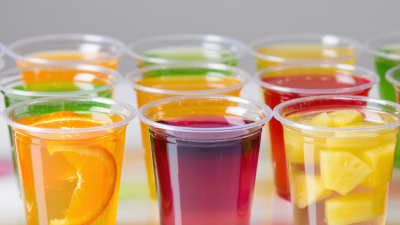
Jelly Pudding may look simple in a clear cup: bright color, a clean wobble, and fruit pieces evenly suspended. For global buyers, however, choosing a supplier means checking much more than appearance. Texture consistency, ingredient transparency, packaging strength, shelf life, and reliable production all matter. A sample can impress on day one. The next shipment must match it.
Food safety deserves equal attention. The World Health Organization’s 2015 report, Estimates of the Global Burden of Foodborne Diseases, estimated 600 million foodborne illnesses and 420,000 deaths worldwide each year. Those figures cover all foods, not Jelly Pudding specifically, but they underline why buyers should review supplier controls, traceability, and quality records. Small details count.
Quality expert W. Edwards Deming is often associated with the principle, “Quality is everyone’s responsibility.” It is a useful reminder here: a dependable dessert depends on coordinated work across sourcing, production, packaging, and inspection. Deming was not a Jelly Pudding specialist, so the principle should not be mistaken for product-specific advice. That distinction matters.
This guide compares 10 Jelly Pudding suppliers for global buyers, focusing on practical sourcing criteria rather than glossy claims. It can help narrow a shortlist, but it cannot replace factory checks or product testing. A real tasting is still necessary. Even a careful review leaves questions: will the texture hold after shipping, and will the next batch taste the same?
Read more »
By:Amelia
- November 17, 2026