0%

Jelly Pudding may look simple in a clear cup: bright color, a clean wobble, and fruit pieces evenly suspended. For global buyers, however, choosing a supplier means checking much more than appearance. Texture consistency, ingredient transparency, packaging strength, shelf life, and reliable production all matter. A sample can impress on day one. The next shipment must match it.

Food safety deserves equal attention. The World Health Organization’s 2015 report, Estimates of the Global Burden of Foodborne Diseases, estimated 600 million foodborne illnesses and 420,000 deaths worldwide each year. Those figures cover all foods, not Jelly Pudding specifically, but they underline why buyers should review supplier controls, traceability, and quality records. Small details count.

Quality expert W. Edwards Deming is often associated with the principle, “Quality is everyone’s responsibility.” It is a useful reminder here: a dependable dessert depends on coordinated work across sourcing, production, packaging, and inspection. Deming was not a Jelly Pudding specialist, so the principle should not be mistaken for product-specific advice. That distinction matters.

This guide compares 10 Jelly Pudding suppliers for global buyers, focusing on practical sourcing criteria rather than glossy claims. It can help narrow a shortlist, but it cannot replace factory checks or product testing. A real tasting is still necessary. Even a careful review leaves questions: will the texture hold after shipping, and will the next batch taste the same?
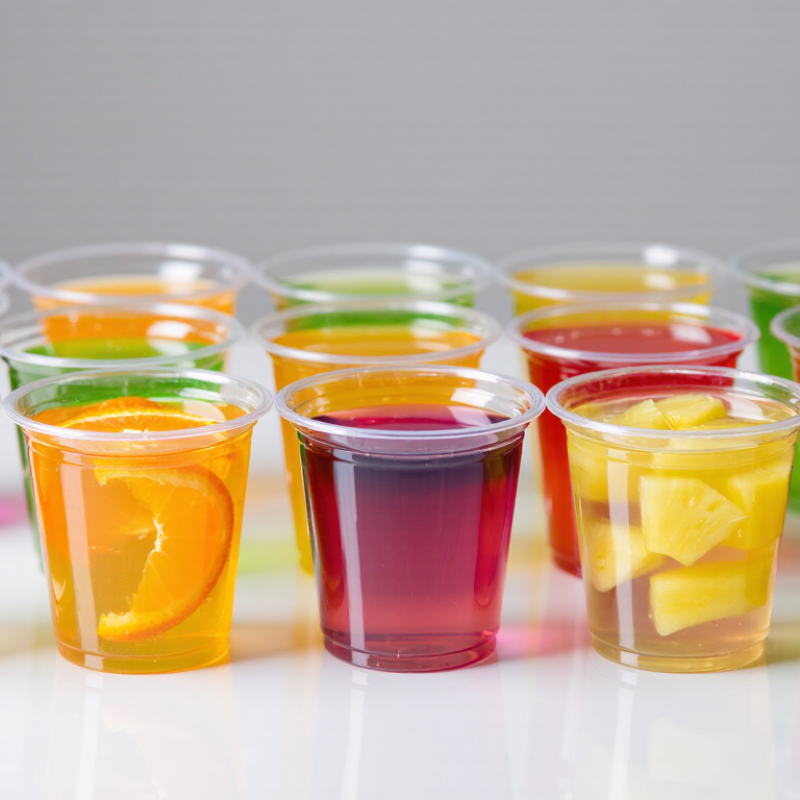
10 Best Jelly Pudding Suppliers for Global Buyers

What Jelly Pudding Is and How It Is Made

Jelly pudding is a soft, spoonable dessert that holds its shape but wobbles when moved. It is usually made with water, sugar, fruit juice or flavoring, and a gelling agent. Common options include gelatin and plant-based ingredients such as agar. The choice affects firmness, clarity, and mouthfeel. It jiggles softly.

Commercial production typically starts by blending the ingredients and heating the mixture until the gelling agent dissolves. The liquid is then poured into cups or molds and cooled until it sets. Fruit pieces may be added, but they need to be distributed evenly. Otherwise, one cup may contain more fruit than another. Small details matter.

Texture can change with the recipe, heating conditions, and cooling time. A pudding that looks clear in a sample may turn cloudy in a larger batch. That difference is easy to overlook. Global buyers can compare samples by checking sweetness, firmness, ingredient details, and consistency across several cups. Specifications help, but tasting a production sample is still useful. The texture is not always perfectly even, and suppliers should be able to explain why.

How to Evaluate Jelly Pudding Suppliers for Global Buyers

When evaluating jelly pudding suppliers, request a product specification sheet before comparing prices. Check ingredients, allergen controls, gel strength, pH, soluble solids, and serving size. Ask whether each batch is tested against agreed limits, not just a sample from last year. Small differences matter. A cup that separates after shipping can create complaints and waste.

Food safety evidence deserves close scrutiny. The WHO’s 2015 global burden report estimated 600 million foodborne illnesses and 420,000 deaths each year. The World Bank’s 2018 Safe Food Imperative estimated foodborne disease costs low- and middle-income economies US$110 billion annually in lost productivity and medical expenses. These figures are not specific to pudding, but they show why buyers should verify hazard controls, audit records, and lot-level traceability. Request a mock recall: how quickly can the supplier identify affected production dates and destinations? Also check packaging seals, remaining shelf life on arrival, and shipping conditions. Details can be missed.

Compare samples after realistic transport and storage, not only at the factory. Record texture, flavor, seal integrity, and batch consistency. Ask for recent test reports and clarify who pays if goods fail inspection. A supplier may have polished documents, yet slow communication is a warning sign. My own evaluation would still leave room for judgment: one trial shipment cannot prove year-round consistency.

Profiles of 10 Leading Jelly Pudding Suppliers

These ten profiles represent different supplier strengths, rather than ranking named companies. Supplier one focuses on high-volume production for large retail orders. Supplier two specializes in fruit-forward recipes, with visible fruit pieces and bright colors. Supplier three develops reduced-sugar options, though buyers should check how sweetness affects texture. Supplier four is built around export logistics, offering sturdy cartons and clear batch documentation. Supplier five produces private-label lines and can adjust packaging to a buyer’s specifications.

Supplier six serves cafés and caterers with larger, easy-to-portion packs. Supplier seven emphasizes a smooth, delicate set, suited to chilled dessert counters. Supplier eight draws on regional flavor preferences, which may help products feel familiar in local markets. Supplier nine accepts smaller trial orders, useful when demand is uncertain. Supplier ten highlights ingredient traceability and shares product specifications before sampling. Details vary.

A profile is only a starting point. Ask for samples, storage guidance, shelf-life data, and written ingredient information. Check whether the pudding stays firm after transport and refrigeration; a glossy cup can hide a watery texture. Request a pilot batch before committing to a large order. Some supplier descriptions sound polished, but comparisons can still be incomplete. That deserves a second look.

10 Best Jelly Pudding Suppliers for Global Buyers

A practical framework for comparing supplier capabilities—not a ranking or measured survey of specific companies.

The percentages are illustrative planning weights, not verified market statistics. Buyers can adjust them to reflect destination-market regulations, product requirements, and sourcing priorities.

Comparing Products, Certifications, and Export Capabilities

When comparing jelly pudding suppliers, buyers should look beyond flavor lists and sample photos. Check texture after transport, ingredient specifications, allergen controls, and whether each product is shelf-stable or requires refrigeration. Small details matter. Ask for current certificates, audit scope, and the manufacturing site covered; a certificate for one factory may not apply to another. HACCP-based controls and schemes such as FSSC 22000 or BRCGS can support supplier assessment, but they do not guarantee every batch will meet your needs.

The WHO’s 2015 foodborne-disease estimates reported 600 million illnesses and 420,000 deaths worldwide each year, underscoring why documented hygiene controls matter across food supply chains.

For export capability, compare shelf-life data, packaging strength, pallet configuration, temperature requirements, and experience preparing destination-specific documents. Request recent examples of shipment records and product test reports, with sensitive commercial details removed. A low quotation may omit testing, protective packaging, or transit risk. That is easy to miss. I would not treat a polished export brochure as proof of reliable delivery; actual lead times and complaint handling deserve equal scrutiny. A practical comparison table helps, but it can still flatten important differences between products and markets.

How to Choose and Source from a Jelly Pudding Supplier

Choosing a jelly pudding supplier is less about glossy catalogues than repeatable quality. Ask for a current specification sheet covering ingredients, texture, fill weight, packaging, and storage conditions. Check that the supplier can meet your target order volume and explain its minimum order quantity, lead time, and capacity.

A sample is only a snapshot. Compare several cups for firmness, sweetness, and seal quality, then ask how production batches are checked.

Tips: Request samples from a pilot run when possible. Confirm shelf life and transport temperature in writing. Check every seal.

Before committing, discuss packaging durability: cups may leak or deform after stacking and long transit. Ask for recent quality records and relevant food-safety certificates, then verify their scope and expiry dates.

Clarify how complaints are investigated and whether corrective actions are documented. Communication matters too. A supplier that answers technical questions clearly is easier to work with when specifications change.

Do not rely on price alone. A lower quote may omit protective cartons or testing costs. Even careful sourcing has uncertainty; pilot orders can reveal issues a polished presentation misses.

FAQS

What should buyers request before comparing jelly pudding prices?

Request a product specification sheet. Check ingredients, allergens, gel strength, pH, soluble solids, and serving size.

How can buyers assess food safety controls?

Ask for hazard-control records, audit details, and lot-level traceability. Request a mock recall to see how quickly affected batches and destinations can be identified.

How should pudding samples be evaluated?

Test samples after realistic transport and storage. Check texture, flavor, seals, and consistency between batches. Small details matter.

What should buyers check about packaging and delivery?

Review seal strength, carton protection, pallet setup, temperature needs, and remaining shelf life on arrival. A cup can look fine but separate during transit.

Do certificates guarantee that every batch will meet requirements?

No. Check that current certificates cover the actual production site and relevant processes. They support assessment, but batch testing still matters.

What export documents and evidence should buyers request?

Ask for recent test reports, shipment examples, shelf-life data, and destination-specific document details. Commercial information can be removed from examples.

How can buyers compare suppliers with different strengths?

Match each supplier’s capabilities to the order. Consider production volume, recipe options, pack size, trial-order flexibility, and traceability records.

Is one trial shipment enough to confirm reliability?

No. It can reveal problems, but it cannot prove year-round consistency. I’d still want more evidence; one successful delivery can be misleading.

Conclusion

This guide explains what Jelly Pudding is, how it is made, and the ingredients and production steps that shape its texture, flavor, and shelf life. It also outlines how global buyers can assess suppliers by reviewing product consistency, manufacturing capacity, quality controls, certifications, packaging options, and export experience. These factors help buyers compare potential partners and determine whether their products and services fit specific market needs.

Profiles of ten leading suppliers offer a structured starting point for comparing product ranges, credentials, and international capabilities. The guide concludes with practical advice on choosing a supplier, requesting samples and documentation, confirming specifications, and discussing order quantities, lead times, and shipping arrangements. By taking a careful, evidence-based approach, buyers can make informed sourcing decisions and build dependable supplier relationships.

Amelia

Amelia

Amelia is a professional marketing specialist who brings a deep understanding of the company’s products and the needs of the people who use them. She regularly contributes expert articles to the company website, turning product knowledge and industry insights into clear, practical guidance. Her......