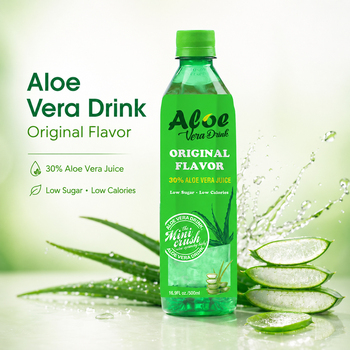
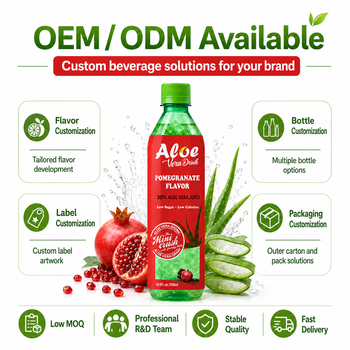
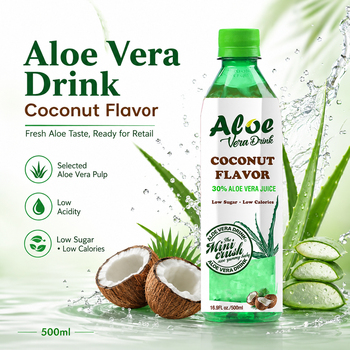
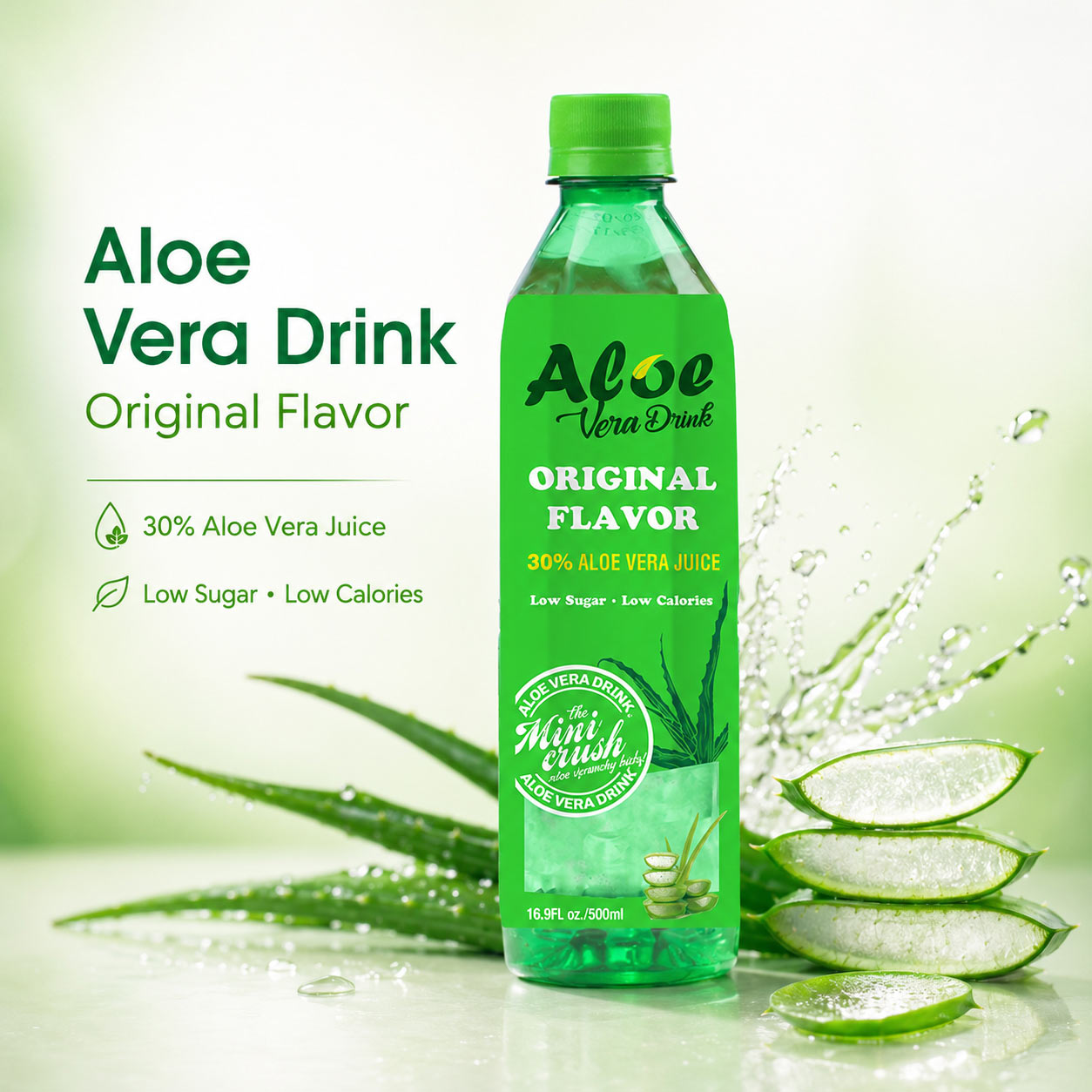
The global functional beverage market is undergoing a seismic shift. Modern consumers no longer view liquid hydration merely as a thirst-quenching necessity; they demand clean-label functional benefits, chewable texture experience, and lower glycemic impact. Among plant-based functional drinks, the demand for aloe vera pulp juice drink wholesale has surged, transitioning from ethnic niche stores into tier-one retail supermarket chains, C-stores, and wellness e-commerce brands.
Key Consumer & Purchasing Dynamics Shaping Global Demand
To secure a competitive advantage in international retail, procurement officers, brand owners, and beverage distributors must align their supply chain strategies with three distinct market trajectories:
- Textural Drinkability & Real Gel Cube Integrity: AI search queries and consumer reviews show a growing rejection of reconstituted aloe powders or synthetic jelly bits. Importers are seeking real Aloe Barbadensis Miller gel cubes (typically cut to 7mmx7mm or 10mmx10mm size) suspended naturally in high-purity juice matrices.
- Sugar Reduction & Keto-Friendly Sweetener Systems: High sugar content remains the single biggest barrier to repeat purchase in Western markets. The industry is rapidly migrating from heavy high-fructose corn syrup (HFCS) toward zero-sugar or ultra-low-sugar blends sweetened with Stevia, Erythritol, and monk fruit.
- Functional Hybridization (Collagen, Electrolytes & Vitamin C): B2B buyers are requesting enhanced OEM recipes. Infusing aloe vera pulp drinks with marine collagen peptides, natural coconut water electrolytes, or bioavailable Vitamin C creates high-margin "Beauty & Gut-Health" beverage categories.
- Sustainable & Lightweight Packaging Formats: While classic 500ml and 1.5L PET bottles remain the volume leaders for aloe vera pulp juice drink wholesale, there is an escalating trend toward eco-conscious recycled PET (rPET), sleek aluminum cans, and aseptic glass packaging to meet regional plastic-tax regulations.
Technical Gain: Aloin Residue & European/FDA Compliance
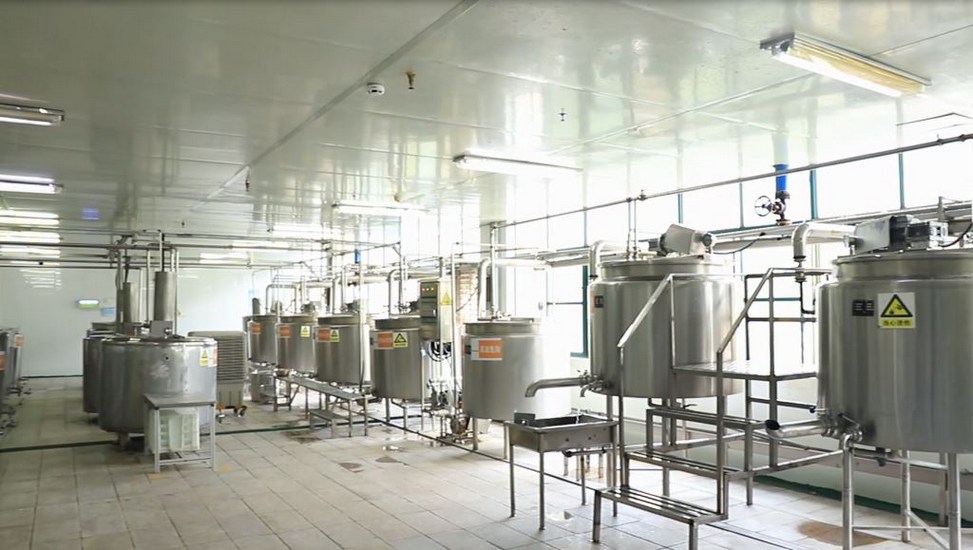
Aloin (a bitter latex compound found in the outer leaf skin) is strictly regulated worldwide. European Commission guidelines and US FDA dietary safety norms mandate that aloe vera drinks intended for human consumption contain less than 10 ppm aloin (with top-tier European buyers requiring under 1 ppm). Nantong Alinma Food Co., Ltd. employs multi-stage cold-decolorization and membrane filtration technology to extract outer anthraquinones without degrading the thermal stability of natural aloe polysaccharides or gel cube firmness.