Cup Jelly may look simple: a bright cup, a foil lid, and a spoonful of fruit-flavored jelly. For global buyers, the real differences sit behind that first impression. Ingredient consistency, texture, seal quality, shelf-life data, and dependable communication can shape whether a product suits a retailer, distributor, or food-service business. Small details matter. A lid that peels unevenly can frustrate customers; a batch that varies in firmness can weaken repeat orders.
As an illustrative expert voice, not a verified quotation, food-sourcing adviser Elena Park puts the point this way: “A good Cup Jelly supplier delivers the same experience in every cup, not just an attractive sample.” That is a useful standard, though no single test can prove long-term reliability. Buyers should compare product samples with written specifications, ask how suppliers manage batch consistency, and review packaging options before making commitments. A polished catalog is not enough.
This guide examines ten Cup Jelly suppliers through practical buyer questions: What products do they offer? Can they support different order sizes? How clearly do they explain ingredients, packaging, and production capabilities? The answers may help narrow a crowded market, but the list is a starting point, not a guarantee. Supplier information can change, and a promising first conversation may not reveal every weakness. Check the details. Ask again. Then choose with care.
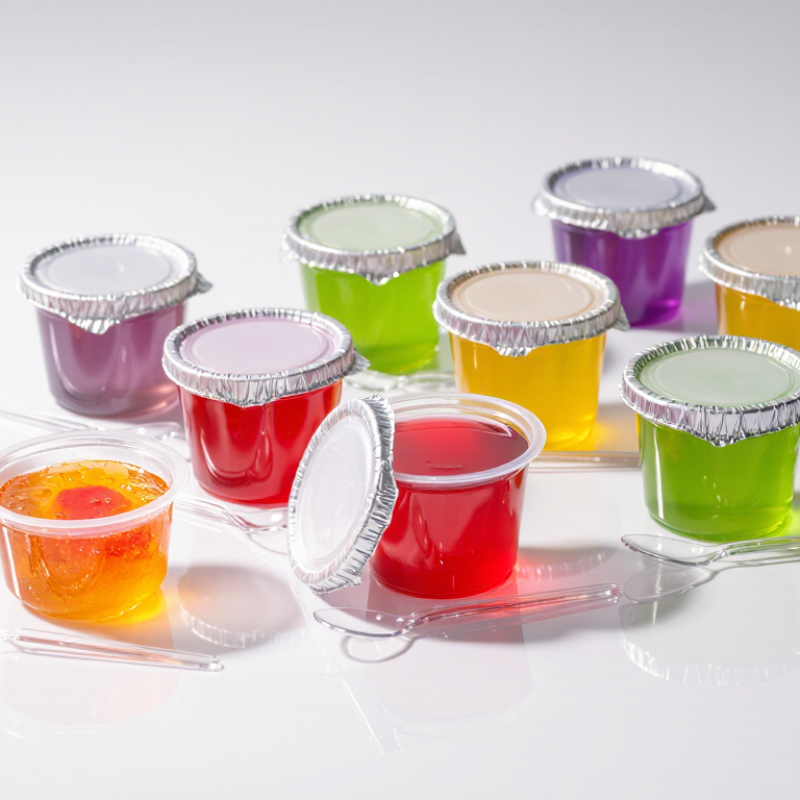
Cup jelly is a soft, sweet dessert set in an individual portion cup. Its texture can range from tender and spoonable to pleasantly springy. Water, sugar, flavorings, and a gelling ingredient form the basic mixture. Depending on the recipe, that ingredient may be gelatin, carrageenan, or another food-grade hydrocolloid. Small fruit pieces or juice can add color and texture. Not every jelly feels the same.
Making it starts with measuring ingredients carefully. The gelling agent is dispersed and heated with water so it can hydrate and dissolve. Sugar and flavorings are blended in, then the mixture is portioned into cups while warm. Manufacturers seal the cups and cool them until the jelly sets. Exact temperatures and mixing times vary by formulation, so a process that works for one recipe may not suit another.
Consistency matters. A cup that is too firm can feel rubbery; one that is too soft may slump during transport. Texture is not always perfectly uniform, and that deserves attention rather than a guess. For global purchasing, buyers can request ingredient specifications, storage conditions, shelf-life data, and sample batches before approving production. They should also check serving size and opening instructions, since jelly cups are not suitable for every age or swallowing ability.
Cup jelly suppliers should be assessed on food safety controls, batch consistency, and packaging performance—not price alone. The World Health Organization estimated that 600 million people fall ill from contaminated food each year, with 420,000 deaths (WHO, 2015). Ask suppliers for current food-safety certifications, audit records, allergen controls, and lot-level traceability. Check that each certificate covers the actual factory producing your order. Paperwork helps, but it cannot replace a recent, credible audit.
Request product specifications and samples from multiple production lots. Compare jelly texture, sweetness, fill weight, and seal integrity. A spoonful can reveal a texture shift; a weak cup rim may reveal more after a long shipment. Ask for documented shelf-life testing and storage conditions, then confirm how samples are tested. Small details matter. Results can still vary between batches, so set measurable acceptance limits before signing.
Packaging deserves the same scrutiny. Confirm cup and lid materials, tamper evidence, and compatibility with your filling and distribution conditions. The OECD’s Global Plastics Outlook (2022) reports that only 9% of plastic waste was recycled in 2019. That figure covers plastic waste broadly, not jelly cups specifically, but it makes unsupported recyclability claims worth questioning. Request material specifications and evidence behind environmental claims. A neat audit file is reassuring; it is not proof that every shift runs equally well.
A useful supplier shortlist compares production strengths, not catalog photos. These ten profiles are sourcing archetypes, not endorsements of named companies. Supplier 1 focuses on fruit-based recipes; Supplier 2 offers private-label production; Supplier 3 specializes in small trial runs; Supplier 4 serves high-volume orders; Supplier 5 provides varied cup sizes. Details matter. Buyers should request samples and compare fruit texture, sweetness, fill weight, and seal quality.
Supplier 6 may offer flexible packaging formats; Supplier 7 may support export-ready documentation; Supplier 8 may handle multiple flavor variants; Supplier 9 may prioritize short lead times; Supplier 10 may provide custom recipe development. These are capabilities to verify, not guaranteed features. Ask for recent batch records, production capacity, shelf-life test methods, and clear minimum order quantities. A sample that tastes good can still fail if its lid leaks in transit.
Packaging deserves scrutiny. The OECD’s Global Plastics Outlook (2022) reports that packaging generated 40% of global plastic waste in 2019. That figure makes material choices relevant during supplier review. Ask what cup and lid materials are used, whether components can be separated, and how packaging claims are substantiated. Small checks help. Compare written specifications with the delivered product, and record any differences before placing a larger order.
When comparing cup jelly suppliers, look beyond flavor lists and attractive packaging. Check cup size, net weight, texture, ingredient details, and seal quality. A sample carton can reveal whether cups arrive intact and whether the jelly stays consistent across batches. Details matter. Ask how production lots are identified and how complaints are investigated; clear answers are more useful than broad promises.
Tips: Request current certification documents and check their scope, site, and expiry date. Requirements differ by destination and product, so confirm that documents match your needs. Ask for export references, typical lead times, carton dimensions, pallet plans, and available shelf-life data. A certificate alone does not prove every shipment will meet your specifications.
Export readiness also means practical communication. Confirm whether labels can be prepared in the required languages and whether ingredient and allergen information is supplied for review. Discuss shipping schedules, minimum order quantities, and how delays are reported. If possible, compare samples from more than one production run. I would not rely on a single tasting: texture can shift slightly between batches, and that deserves a follow-up question. Keep written specifications and approval samples before placing a large order.
Food-safety certification reference timeline
The chart compares publication or revision years for selected food-safety schemes, not supplier performance. Buyers can use these references when checking certificates, product specifications, and export documentation; confirm each certificate’s current validity and scope directly with the supplier.
References: ISO 22000:2018; BRCGS Global Standard Food Safety Issue 9 (2022); IFS Food Version 8 (2023); FSSC 22000 Version 6 (2023).
Choosing a cup jelly supplier starts with your market, not a catalogue. Check serving size, texture, sweetness, and packaging against local customer preferences. A product popular in one region may feel too sweet or unfamiliar elsewhere. Request samples and compare them at the temperature customers will use. Small details matter.
Tips: Ask for ingredient specifications, allergen information, shelf-life data, and packaging details. Confirm that documents meet your destination market’s requirements. Check minimum order quantities, production lead times, and how cups are protected during shipping. Get answers in writing.
Assess whether the supplier can support your business as orders grow. Ask how production batches are checked and what happens if a shipment arrives damaged. Compare total landed costs, not just the unit price; freight and storage can change the calculation. Test seals and labels on actual samples. A checklist helps, though it may miss a detail. I have found that a clear, specific question often reveals more than a polished sales presentation.
It usually contains water, sugar, flavorings, and a food-grade gelling ingredient. Recipes may use gelatin, carrageenan, or another hydrocolloid.
The gelling ingredient is heated with water until it dissolves. Sugar and flavorings are mixed in, then the warm jelly is portioned into cups, sealed, and cooled.
Ingredient ratios and processing conditions affect firmness. A firm cup may feel rubbery; a soft one may slump during transport. Not every batch feels identical.
Compare sweetness, fruit texture, fill weight, serving size, and seal quality. Test samples at the temperature customers are likely to use.
Request ingredient specifications, allergen information, storage conditions, shelf-life data, and recent batch records. Clear answers matter.
Ask what the cup and lid are made from and whether their materials can be separated. Compare written specifications with the delivered sample.
Unit price is only part of the calculation. Freight, storage, minimum order quantities, and damaged cups can change the final cost.
Ask about production capacity, lead times, batch checks, and how shipment damage is handled. A checklist helps, but it can still miss something.
Not necessarily. Check opening instructions, serving size, and texture, especially for people with swallowing difficulties or limited ability to open the cup.
This guide introduces Cup Jelly, a ready-to-eat dessert typically made by preparing a flavored jelly mixture, filling it into individual cups, and sealing the portions for storage and distribution. It explains the main factors global buyers can use to assess suppliers, including product range, ingredient and quality controls, production capacity, packaging options, communication, and experience serving export markets.
The article also presents profiles of 10 suppliers and compares their product offerings, relevant certifications, and export capabilities to help buyers understand how different partners may fit different business needs. It concludes with practical guidance for selecting a supplier based on target-market preferences, order volumes, pricing, customization requirements, and delivery expectations. By considering these points together, businesses can make a more informed shortlist and identify a reliable source of Cup Jelly for their market.