0%

Jelly Cups can look simple on a product list, but sourcing them in bulk involves more than comparing prices. Buyers need to consider cup size, jelly texture, flavor range, lid seal, and packaging. A small mismatch can create practical problems. Cups that photograph well may not fit a retailer’s shelves or delivery cartons.

Start with clear specifications. Note the serving volume, materials, carton quantity, shelf-life expectations, and any storage requirements. Request current product and food-contact documentation from suppliers, then check that the details match the goods being quoted. A sample helps. So does a written quotation.

Price matters, but the unit cost rarely tells the whole story. Freight, minimum order quantities, production lead times, and damage rates can change the final cost. Ask how the supplier handles quality checks and what happens when a shipment arrives with inconsistent seals or labeling. Specific answers are more useful than broad promises.

This guide outlines seven practical tips for sourcing Jelly Cups in bulk, from defining your requirements to assessing suppliers and planning delivery. It also highlights details that are easy to miss, such as carton dimensions and sample-to-order consistency. No checklist removes every risk. Even careful buyers may need to revise their assumptions after testing a sample or reviewing a first order. That is worth acknowledging. A measured approach can help you compare offers fairly, spot unanswered questions, and choose a supplier that fits your needs—not just the lowest quoted price.
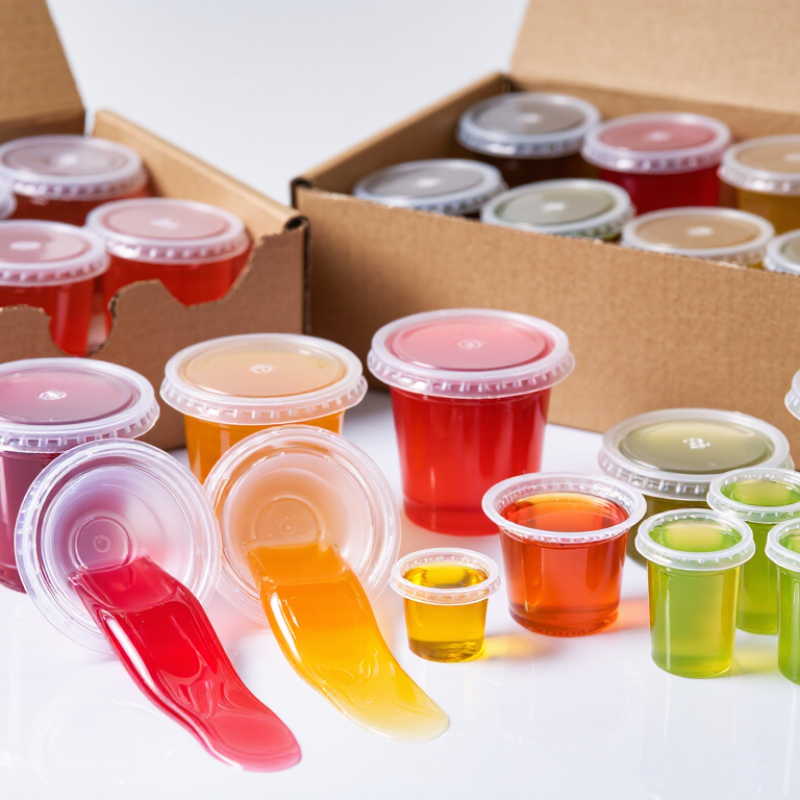
7 Tips for Sourcing Jelly Cups in Bulk

Understand Jelly Cup Types, Ingredients, and Packaging Options

7 Tips for Sourcing Jelly Cups in Bulk

Understand Jelly Cup Types, Ingredients, and Packaging Options

Tip 1: Define the jelly type before requesting quotes. Fruit jelly, gelatin jelly, and plant-based jelly can differ in texture, setting agents, and storage needs. Check ingredient specifications for allergens, sweeteners, and fruit content. A clear sample brief prevents costly surprises. Small details matter.

Tip 2: Match cup material and seal to the product and filling process. Ask suppliers for material specifications, sealing compatibility, and storage guidance; do not assume every cup suits hot filling or chilled distribution. Compare cup capacity, lid fit, stackability, and leak resistance using filled samples. Fit matters.

Tip 3: Review packaging choices with waste and handling in mind. The OECD’s Global Plastics Outlook (2022) reports that packaging accounted for about 40% of plastic waste generated in 2019. That figure makes material selection worth careful review, though it does not tell you which cup works best. Request packaging weights and material details, then assess protective performance alongside disposal options in your target market. One trade-off is easy to miss: lighter cups may save material but still need reliable seals. Record sample results before placing a bulk order.

Define Bulk Needs for Quantity, Shelf Life, and Budget

Before requesting quotes, define monthly servings, delivery frequency, and storage capacity. Count portions, not cartons: a school serving 300 cups daily needs 6,000 cups for a 20-day month. Add a modest buffer for attendance swings, but avoid buying several months of stock without checking dated inventory. Be exact.

Set a minimum remaining shelf life at delivery, and ask suppliers to state date-coding rules in writing. USDA FoodKeeper guidance gives opened canned fruit a refrigerated storage window of about five to seven days; this is a useful handling benchmark, not a substitute for the cup’s own label. For products requiring temperature control, the FDA Food Code’s model standard is 41°F or below. Confirm whether your specific jelly cups need refrigeration before delivery and after opening.

Compare total usable cost, not just the case price. Include freight, storage, breakage, and any cost from cups expiring before service. A simple worksheet can show the price per cup and the expected waste at different order sizes. For example, compare a smaller weekly shipment with a cheaper monthly pallet. The cheaper option may not be cheaper after all. Recheck the numbers when enrollment or menu demand changes; forecasts are often wrong.

Bulk Jelly Cup Planning: Quantity, Shelf Life & Budget

Example planning scenario: forecast demand is 12,000 cups per month, 90 days of shelf life remain at delivery, and the budget is $3,000 at an assumed landed cost of $0.12 per cup.

How to use it: The example order is 24,000 cups, or two months of forecast demand. That is within both the 25,000-cup budget limit and the 36,000-cup shelf-life capacity. Confirm the actual landed price, case pack, forecast, and remaining shelf life before ordering; replace these illustrative assumptions with your figures.

Assess Suppliers for Quality, Compliance, and Capacity

A jelly cup sample can look perfect on a desk and still fail after a long shipment. Request samples from the production line, not only presentation pieces. Check cup dimensions, seal strength, fill consistency, and flavor across several units. Looks matter. Record the results, including small defects, rather than relying on memory. A slightly loose lid may seem minor until cartons arrive damp.

Review the supplier’s quality procedures and ask how batches are traced if a problem appears. Request current documentation for ingredients, allergens, packaging materials, and relevant food-safety requirements in your intended market. Verify that certificates match the actual production site and product. A document alone is not proof of consistent practice. Where possible, arrange an audit or use a qualified independent assessor.

Capacity deserves the same scrutiny as quality. Ask for normal monthly output, peak-season limits, lead times, and how changes in cup size affect production. Confirm that the supplier can keep specifications steady across repeat orders. One uncomfortable question: what happens if a key machine stops? Their answer may be less polished than a brochure, but it can reveal useful details. No checklist catches every production surprise, so leave time for a pilot order before committing to a large shipment.

Verify Samples, Pricing, Lead Times, and Shipping Terms

A sample can look perfect under showroom lights and still reveal flaws at a packing table. Order samples from the same material and production process proposed for your bulk run. Check cup clarity, rim smoothness, lid fit, and whether the seal holds after gentle handling. Try stacking filled cups, too. Small differences in height can slow packing. Keep one sample as a reference, though I have learned that a single sample never tells the whole story.

Ask for a written price breakdown, not just a per-cup figure. Confirm the order quantity, packaging, sample charges, and any setup costs. Compare prices at several quantities, then calculate the cost per usable cup after expected freight and damage allowances. A low quote may still be poor value. I once focused too much on unit price and missed the cost of extra cartons. That was avoidable.

Request a production timeline with dates for sample approval, manufacturing, and dispatch. Ask what could delay the schedule, and get updates if dates change. “About four weeks” is not a plan. Confirm shipping terms in writing, including who books freight, pays charges, arranges insurance, and handles delivery to your location. Clarify carton dimensions and shipment tracking before paying a deposit. Details matter. A tidy quote is helpful, but it cannot replace clear answers.

7 Tips for Sourcing Jelly Cups in Bulk - Verify Samples, Pricing, Lead Times, and Shipping Terms

Tip What to Check Useful Details to Record Why It Matters
1. Define the product specification Cup capacity, dimensions, material, lid or seal type, flavor, and case pack. Capacity in milliliters, units per case, ingredients, allergen information, and storage conditions. A written specification helps ensure quotes and samples refer to the same item.
2. Evaluate samples before ordering Taste, texture, fill level, seal integrity, cup condition, and consistency between samples. Sample date, batch or lot reference, evaluation notes, and any agreed changes. Samples let buyers assess the actual product and packaging before committing to a bulk quantity.
3. Check food-contact and product documents Request applicable ingredient, allergen, shelf-life, storage, and packaging material information. Documents relevant to the product and destination market; confirm they apply to the quoted item and materials. Requirements vary by product and market, so verify applicable rules with the supplier and relevant authorities.
4. Compare complete pricing Unit price, minimum order quantity, setup or customization charges, packaging, and sample costs. Currency, price basis, quantity breaks, quote validity, taxes, and charges excluded from the quote. A low unit price may not represent the total purchasing cost once additional charges are included.
5. Confirm MOQ and production lead time Minimum order by product or flavor, production schedule, and whether customization affects timing. Lead time in calendar or business days, start point, production status updates, and dispatch estimate. Lead times depend on stock, order size, customization, and production capacity; confirm the estimate for each order.
6. Agree on shipping terms and costs Shipping method, named delivery location, freight responsibility, insurance, and customs arrangements. Written delivery term, estimated transit time, shipment dimensions and weight, and who handles import clearance and duties. Clear responsibilities reduce unexpected freight, customs, and delivery costs. Confirm the precise term in the contract.
7. Set inspection and receiving checks Agree how to report shortages, damaged cases, leaking cups, incorrect labels, or product that differs from the approved sample. Inspection criteria, acceptable tolerances, photo or lot evidence, notification deadline, and resolution process. Documented checks make it easier to identify delivery issues and handle claims consistently.

Plan Orders and Storage to Maintain Product Consistency

Bulk buying jelly cups only works when order size matches sales, shelf life, and available storage. Review weekly sales by flavor, pack size, and season before setting a reorder point. Then compare the supplier’s production lead time with your remaining stock. A simple spreadsheet helps, though forecasts can still miss a sudden change in demand.

Storage matters just as much. Keep cartons off the floor, away from direct sunlight, and within the temperature range on the product label. For products requiring refrigeration, the FDA’s 2022 Food Code sets 41°F (5°C) or below for cold-held time/temperature control foods. FAO’s 2019 State of Food and Agriculture estimated that 14% of food was lost between harvest and retail; that broad figure is not specific to jelly cups, but it underlines the value of careful handling. Use dated receiving labels and rotate older stock forward. Check seals, leaks, and cup deformation when each delivery arrives.

Ask suppliers to document batch codes, ingredient specifications, and expected shelf life at delivery. Compare samples from different lots for cup fill, texture, color, and seal quality. Keep a small reserve for delays, but avoid ordering so much that older cartons sit untouched. Even a tidy plan can fail when actual demand shifts; review it monthly and adjust based on what sold.

FAQS

How should I estimate the quantity of jelly cups to order?

Calculate servings, not cartons. For 300 cups daily over 20 days, plan for 6,000 cups, plus a modest attendance buffer. Avoid ordering months of stock without checking expiry dates.

What shelf-life details should I confirm?

Set a minimum remaining shelf life for delivery and request written date-coding rules. Check each cup’s label. Opened canned fruit may keep for five to seven refrigerated days, but that is only a handling benchmark.

How can I compare bulk prices fairly?

Include freight, storage, breakage, and cups that may expire before use. Compare weekly shipments with larger orders by cost per usable cup. The cheaper quote may not be cheaper. I’ve missed that before.

What should I inspect in product samples?

Check several cups for fill consistency, smooth rims, clear material, lid fit, and seal strength. Stack filled cups and handle them gently. Small differences matter.

Which supplier documents should I request?

Ask for current ingredient, allergen, packaging, and food-safety documents relevant to your market. Confirm they match the actual production site and product. Paperwork alone proves little.

How can I check whether a supplier can meet demand?

Ask about normal output, peak-season capacity, lead times, and production changes for different cup sizes. Find out what happens if a key machine stops. Answers can be revealing.

What should a written quote include?

Confirm quantities, packaging, sample charges, setup costs, freight, damage allowances, and delivery terms. Clarify who books shipping, pays charges, arranges insurance, and tracks delivery. Details matter.

How can I reduce the risk of a large order?

Request samples from the proposed production process and keep one as a reference. Agree on dates for sample approval, manufacturing, and dispatch. Place a pilot order before committing to a large shipment.

Conclusion

Sourcing Jelly Cups in bulk starts with understanding the available cup styles, ingredients, portion sizes, and packaging options. Define your requirements by estimating order quantities, considering shelf-life needs, and setting a realistic budget. These details help narrow down suitable products and suppliers while keeping purchasing decisions aligned with how and where the cups will be used.

Next, evaluate suppliers for consistent quality, relevant compliance documentation, and the capacity to fulfill your orders. Request samples to check taste, texture, packaging, and product consistency, then compare pricing, lead times, shipping terms, and minimum order quantities. Before placing an order, plan how deliveries will be scheduled and how stock will be stored. Careful ordering and storage can help maintain product quality and ensure a dependable supply of Jelly Cups.

Charlotte

Charlotte

Charlotte is a marketing professional with a strong understanding of the company’s products and the needs of the customers who use them. She combines product knowledge with a clear, practical writing style, making complex features and benefits easier to understand. Through regular articles on the......