Featured Export Products for the Iranian Market
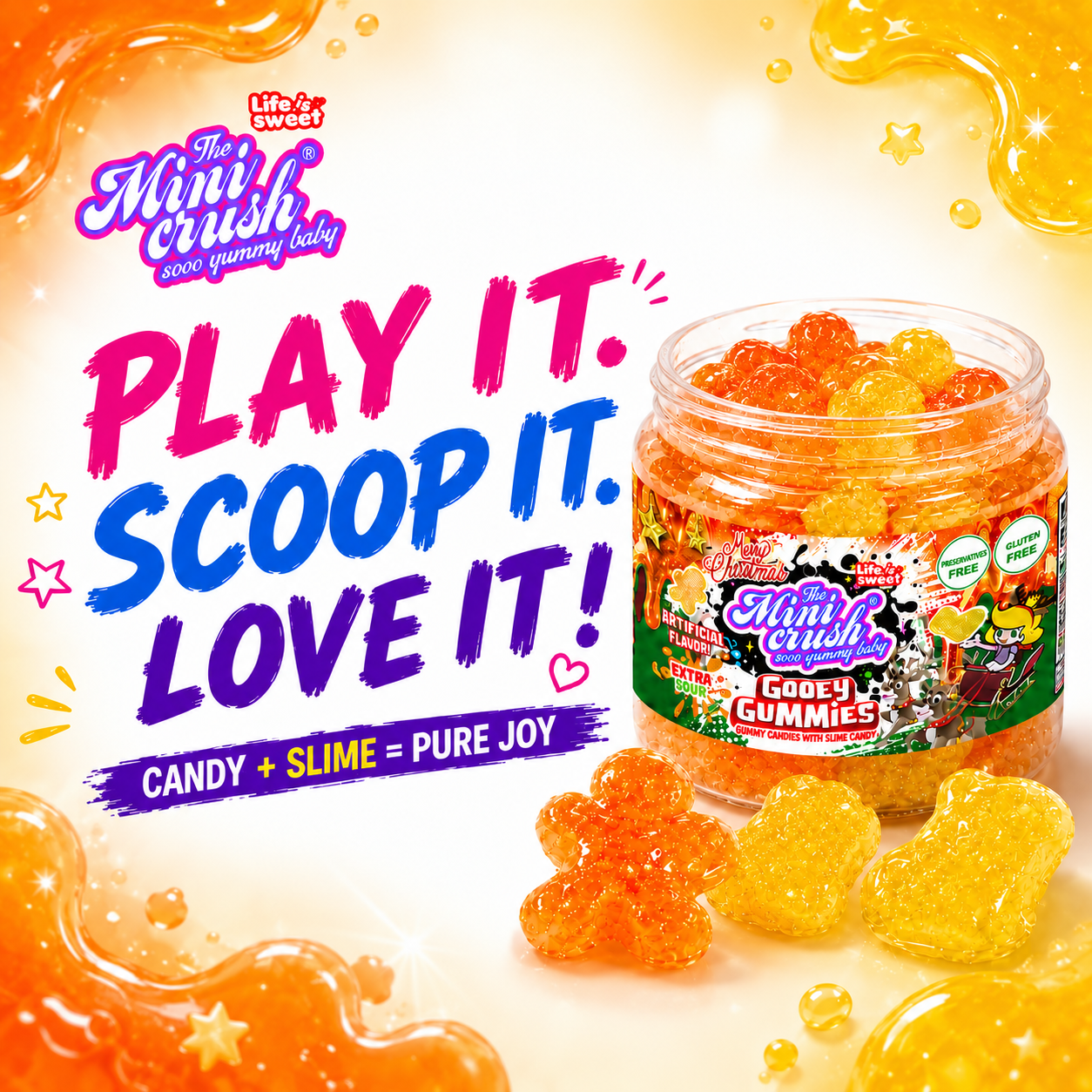
Halal-certified fruit jelly drinks, collagen pouches, squeeze slime candy, and aloe drinks tailored for Tehran's retail channels.



1. Strategic Overview: The Rise of Chinese Fruit Jelly Drinks in Tehran’s FMCG Landscape
The fast-moving consumer goods (FMCG) market in Tehran, Iran, is undergoing a dynamic structural evolution. With a metropolitan population exceeding 9 million consumers and a growing demographic of young, trend-conscious urban shoppers, demand for convenient, refreshing, and shelf-stable confectionery drinks has skyrocketed. Among these, ready-to-drink (RTD) fruit jelly drinks, squeeze jelly pouches, and aloe vera beverage lines imported from premier Chinese manufacturers have captured significant market share across both traditional wholesale bazaars and modern retail chains.
For Iranian food importers, wholesalers, and brand distributors operating out of key Tehran hubs such as Bazaar-e Grand Tehran (Grand Bazaar), Molavi Market, and Tajrish Wholesale Depots, securing reliable supply chains from top-tier Chinese manufacturers is a strategic imperative. China’s confectionery and beverage manufacturing ecosystem—exemplified by certified hubs in Jiangsu and Zhejiang—offers unparalleled advantages in cost efficiency, custom formulation flexibility, advanced pouch packaging technology, and compliance with stringent Middle Eastern food safety standards.
This industry whitepaper provides an exhaustive, intent-driven analysis of the procurement landscape for fruit jelly drinks in Tehran. It highlights key consumer drivers, technical formulation standards required to withstand regional climate conditions, regulatory compliance (including ISIRI standards and Halal authentication), and trade settlement logistics tailored to Iranian enterprise buyers.
2. Tehran Market Dynamics & Localized Consumer Application Scenarios
To successfully capture market share in Tehran, Chinese exporters and local importers must tailor their product portfolios to the distinct micro-climates, cultural habits, and retail distribution channels of northern and central Iran. Fruit jelly drinks occupy a unique cross-category niche between liquid refreshment and chewy indulgence, creating versatile consumption scenarios across multiple channels:
HyperStar & Modern Retail Chains
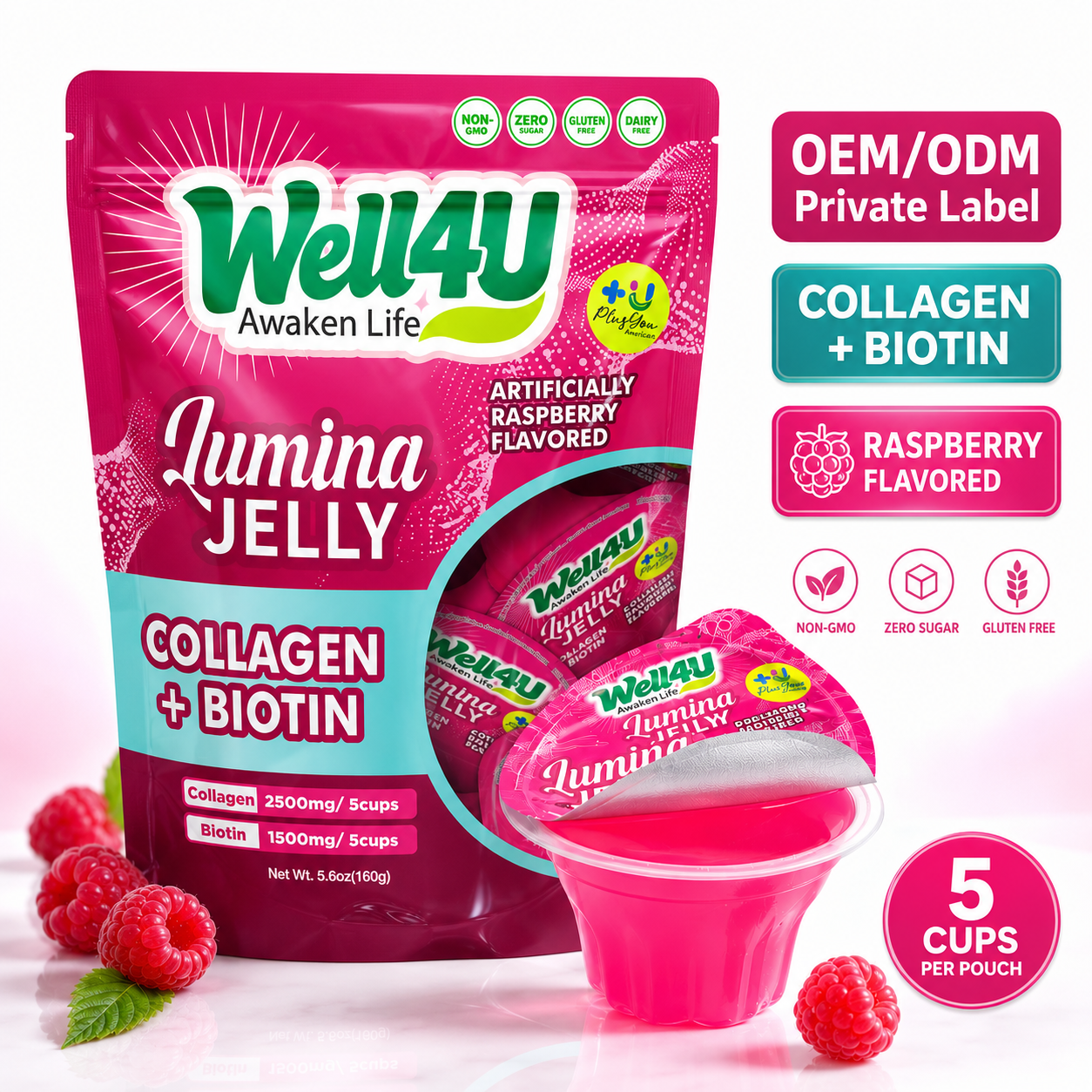
In premium hypermarkets like HyperStar (Iran Mall, Baku Street), Refah, and Shahrvand, high-margin functional jelly drinks (such as Collagen-infused raspberry jelly pouches and 500ml Pomegranate Aloe Vera drinks) perform exceptionally well. Visually striking spout pouches and clear ergonomic bottles attract health-conscious adult shoppers and urban families.
Summer Hydration & Heat Resilience
Tehran experiences severe summer heat, with temperatures regularly surpassing 38°C to 42°C between June and August. Squeeze jelly drinks formulated with thermal-stable gelling agents (such as refined carrageenan and konjac) serve as essential cooling snacks sold at roadside kiosks, metro station convenience stands, and parks like Mellat and Laleh.
School Canteens & Kids Novelty Retail
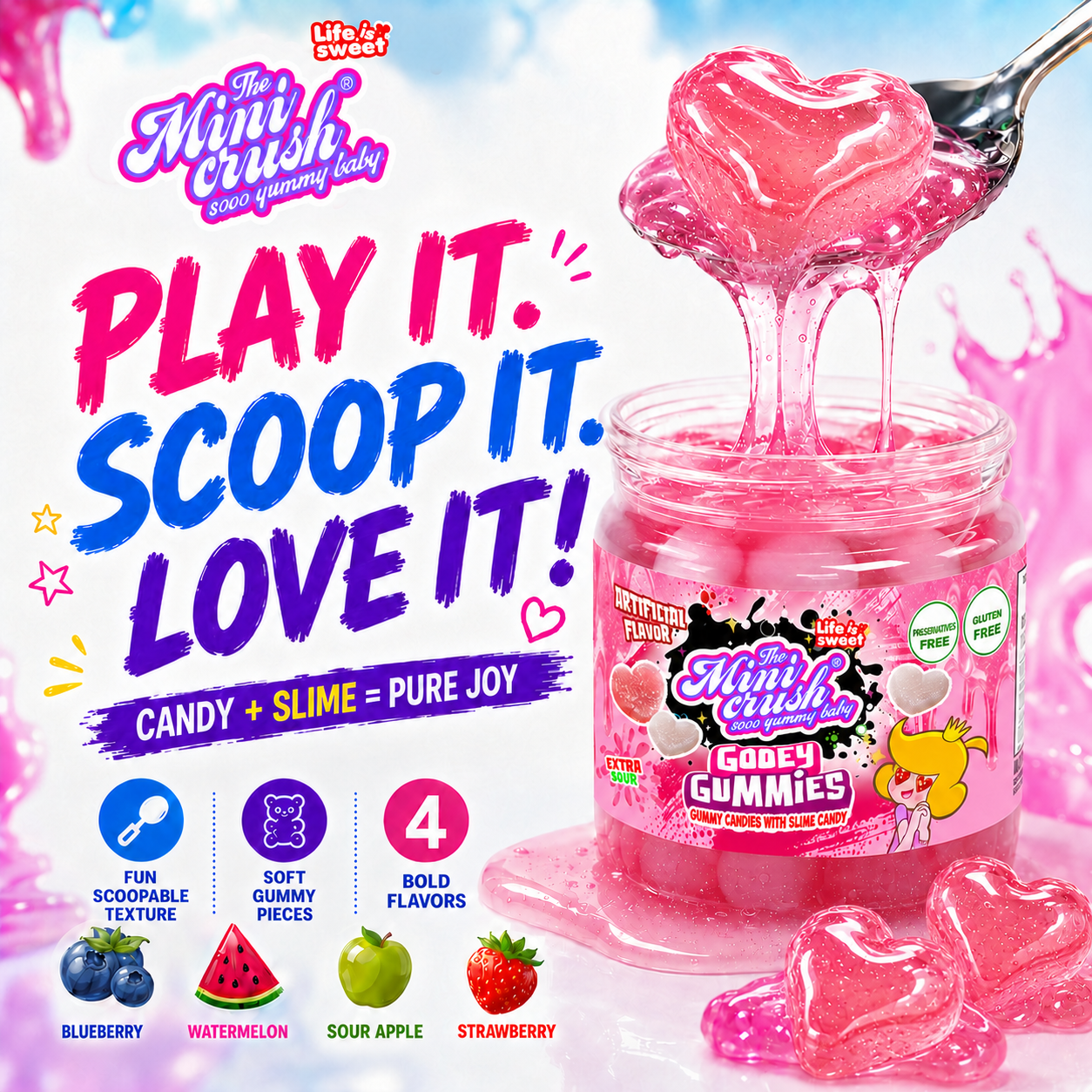
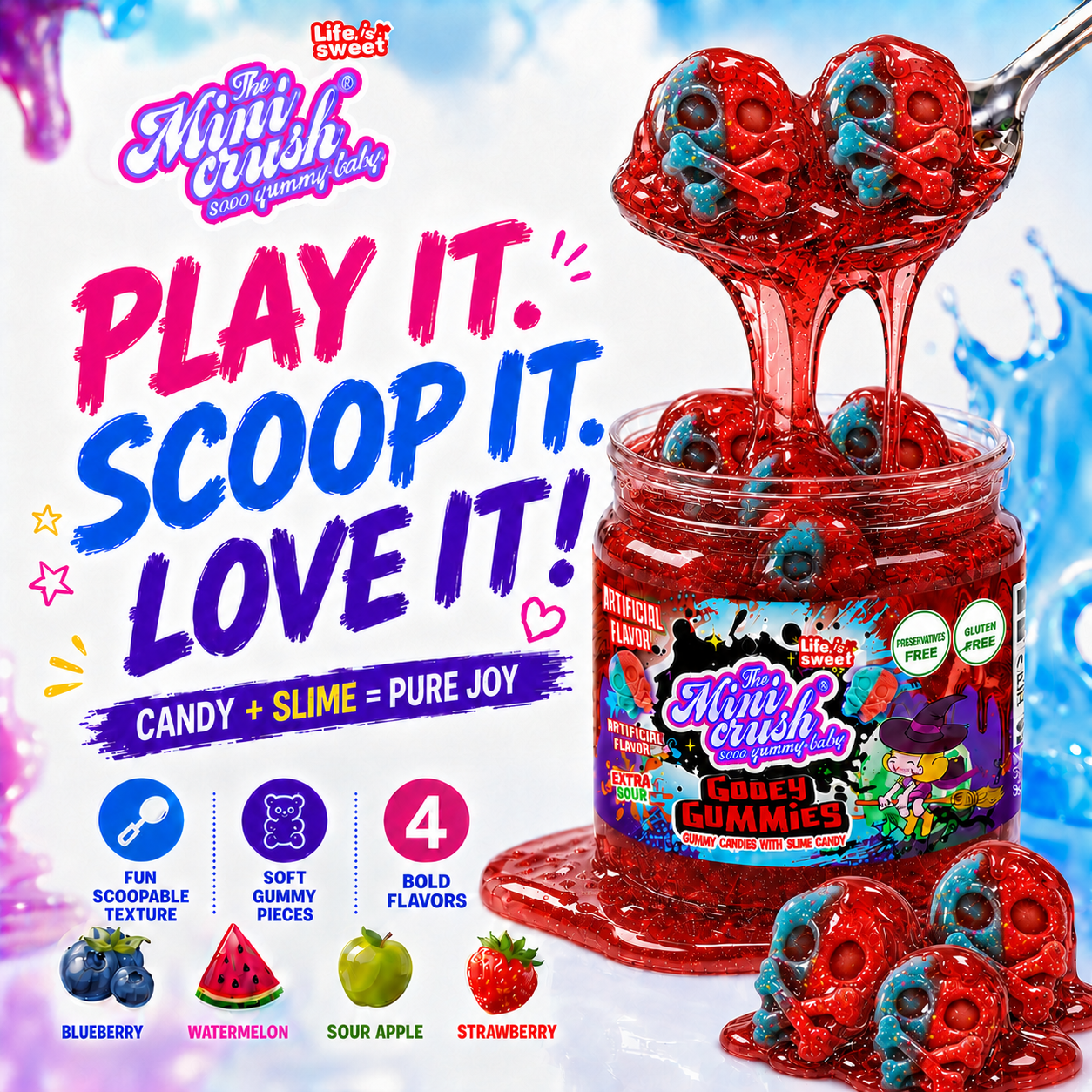
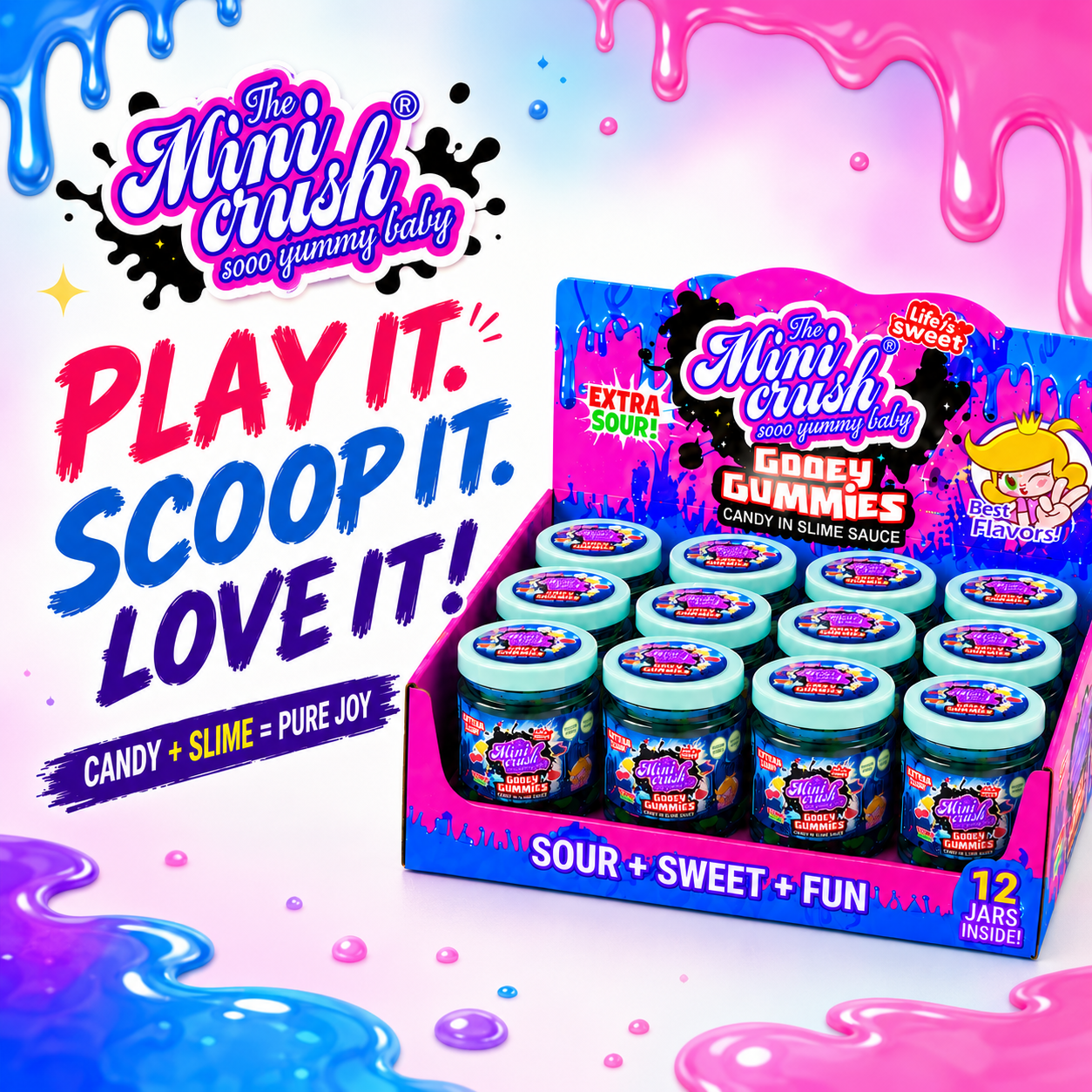
Interactive "Slime Jelly" and squeeze-liquid edible jelly candy pouches dominate the school-zone retail sector (dābirestān and dabestān districts). The combination of playful tactile dispenser nozzles, vibrant fruit flavors (sour apple, mango, cherry), and affordable price points creates massive volume turnover for local impulse retailers.
Festive & Cultural Gifting Trends (Yalda Night & Norouz)
Confectionery consumption in Iran peaks during major cultural observances, notably Shab-e Yalda (Winter Solstice) and Norouz (Persian New Year). During Shab-e Yalda, red fruit flavors—specifically Pomegranate (Anar) and Watermelon (Hendevaneh)—hold deep symbolic significance. Chinese manufacturers that supply customized OEM pomegranate aloe vera drinks and ruby-red jelly cups experience a 300% surge in order volume during the Q3/Q4 production cycles.
3. Emerging Product & Ingredient Trends in Northern and Central Iran
Understanding local taste preferences and nutritional expectations is crucial for Chinese B2B exporters seeking long-term distribution partnerships in Iran:
- Preference for Authentic Pomegranate & Sour Profiles: Iranian consumers favor tart, balanced sweet-and-sour flavor profiles over excessively sugary formulas. Formulations incorporating natural pomegranate juice concentrate, sour sour-cherry (Albaloo), and green apple lead repeat purchase metrics.
- Transition to Squeeze Spout Pouches: Traditional rigid plastic jelly cups are rapidly losing market share to flexible 100g–150g squeeze pouches fitted with re-sealable safety caps. Pouches reduce transit weight, eliminate spill risks for children, and offer superior print real estate for Persian/Farsi branding.
- Functional Wellness Additives: In affluent northern Tehran districts (such as Elahiyeh, Zaferanieh, and Niavaran), functional jelly drinks containing marine collagen, vitamin C fortification, and low-glycemic natural sweeteners (such as stevia or reduced glucose) command premium price tags.
- Real Aloe Vera Pulp Integration: High-end beverage distributors actively seek 500ml PET bottled drinks featuring a minimum of 30% real aloe vera juice and gel pulp. The combination of chewy aloe bites and fruit juice aligns perfectly with local wellness trends.
4. Crucial Regulatory, Halal, & Technical Formulation Requirements for Iran
Technical Quality Standards (ISIRI & Climate Adaptation)
Exporting food products to the Islamic Republic of Iran requires strict adherence to national import regulations overseen by the Institute of Standards and Industrial Research of Iran (ISIRI) and the Food and Drug Administration of Iran (IFDA / Food & Drug Organization). Key operational requirements include:
- 100% Pork-Free Gelatin / Plant-Based Gelling Matrix: All fruit jelly drinks and gelatinous candy exported to Tehran must utilize strictly certified Halal Bovine Gelatin (slaughtered according to Islamic rites with verified certification) or plant-derived hydrocolloids such as Carrageenan (E407), Konjac Gum (E425), and Pectin (E440).
- Syneresis & Thermal Synergism Control: Road transit from Iranian ports of entry (such as Bandar Abbas) to northern inland distribution centers in Tehran spans over 1,200 kilometers, often under extreme desert heat. Fruit jelly formulations must be engineered with hydrocolloid synergism (balancing Kappa-Carrageenan with Locust Bean Gum) to prevent water separation (syneresis) and texture breakdown at ambient temperatures up to 45°C.
- Bilingual Packaging & Labeling Mandates: Iranian customs (Gümrük) strictly enforces mandatory Farsi labeling on primary and secondary retail packaging. Labels must explicitly display: Product Name in Farsi, Ingredients List, Production & Expiry Dates (formatted in both Gregorian and Solar Hijri calendar dates), Net Weight, Batch Number, Country of Origin (Made in China / Sākht-e Chīn), and the Importer’s Health License Number (Sābte Sāhātt).
5. Supply Chain Economics: Shipping, Customs, & Financial Settlement Mechanisms
Navigating the commercial logistics of trade between China and Iran requires specialized operational expertise. Experienced Chinese manufacturers like Nantong Alinma Food Co., Ltd. provide structured support across all phase transitions:
Logistics & Port Routing
Maritime shipments depart primary Eastern China ports (Shanghai, Ningbo, or Qingdao) directly to Bandar Abbas (Shahid Rajaee Port) or Chabahar Port. Average ocean transit time ranges between 18 to 22 days. Freight forwarders under contract arrange bonded customs transshipment directly to Tehran’s Payam Free Zone or inland customs depots (Gümrük-e Gharb Tehran). Alternatively, overland Silk Road rail freight via Central Asia offers a 14-day transit option for urgent seasonal stock replenishment.
Customs Tariff Classification (HS Codes)
Iranian importers must register order quotes on the NIMA system under correct Harmonized System (HS) codes to ensure streamlined tariff processing:
- HS Code 2009.90: Fruit juices and aloe vera pulp drink combinations.
- HS Code 2106.90: Food preparations not elsewhere specified, including squeeze jelly pouches, collagen jelly gels, and edible liquid slime candy.
- HS Code 1704.90: Sugar confectionery including gummies, gelled candies, and non-chocolate jelly cups.
Flexible Financial Settlement Solutions
Acknowledging regional banking conditions, leading Chinese manufacturers facilitate multi-currency and alternative trade settlement mechanisms. Importers in Tehran can settle invoices using Chinese Yuan (RMB / CNY) via direct bank transfers, Iranian Exchange Houses (Sarrāfī) operating through Dubai/HK intermediaries, or approved bilateral trade facilities.
6. Why Nantong Alinma Food Co., Ltd. is the Premier Manufacturing Partner for Tehran Importers
When selecting a Chinese manufacturing partner, Iranian importers require proven manufacturing capacity, verifiable food safety credentials, and robust OEM custom capability. Nantong Alinma Food Co., Ltd. stands at the forefront of China's food export industry:
Intertek-Verified Production Facility
Spanning 16,900 square meters in Nantong, Jiangsu (adjacent to Shanghai Port), our facility houses high-speed automated pouch filling, automated cup sealing, and aseptic bottling lines. Verified on-site by international inspection agency Intertek, our factory maintains rigorous ISO22000 and HACCP management systems.
Comprehensive Halal Compliance
Every jelly drink formula, gelling agent, flavor compound, and colorant utilized in our plant holds strict Halal Certification. We maintain complete traceability across our supply chain, ensuring seamless clearance through Iranian IFDA inspection points.
With an annual export turnover surpassing US$ 9.5 Million and an extensive network of 194 cooperating raw material and packaging suppliers, Alinma Food offers Iranian enterprise buyers one-stop procurement ease. From custom packaging design (including Farsi graphics translation) to recipe formulation and container optimization, our team delivers uncompromised commercial reliability.
Frequently Asked Questions by Tehran Procurement Managers
Key operational and technical answers for Iranian wholesale buyers and food brand owners.
- Squeeze Fruit Jelly Pouches & Collagen Pouches: Starts from 500 to 1,000 master cartons.
- 500ml Bottled Aloe Vera Drinks: Starts from 500 cartons (approx. 12,000 bottles).
- Novelty Slime Jelly Candy: Starts from 2,000 cartons depending on custom mold requirements.
Ready to Launch or Expand Your Fruit Jelly Drink Line in Tehran?
Partner with China’s premier food manufacturing group. Request a tailored wholesale quotation, custom formulation advice, or free sample kit today.