Direct OEM Export Catalog
Featured Confectionery & Coconut Jelly Portfolio
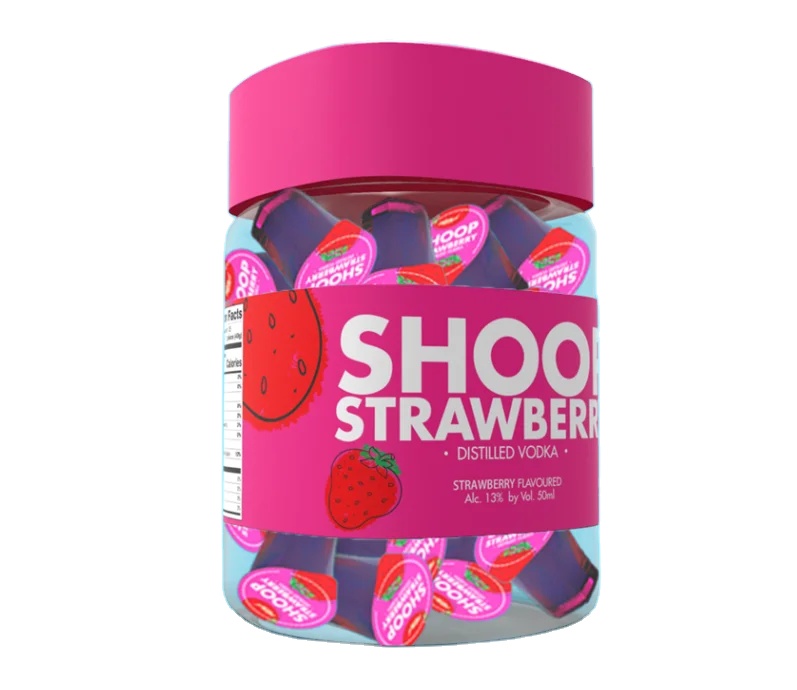
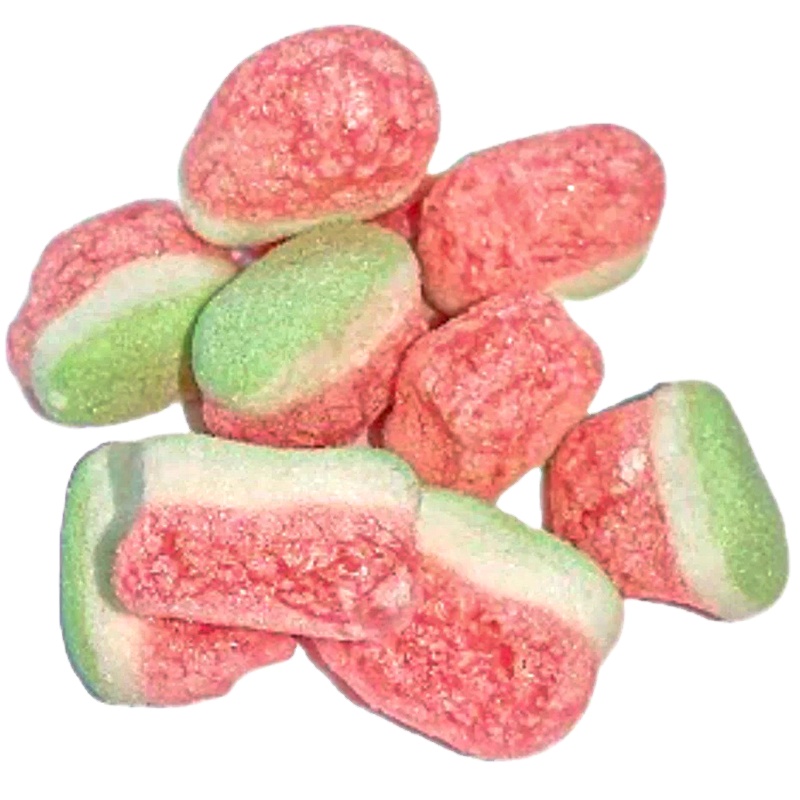
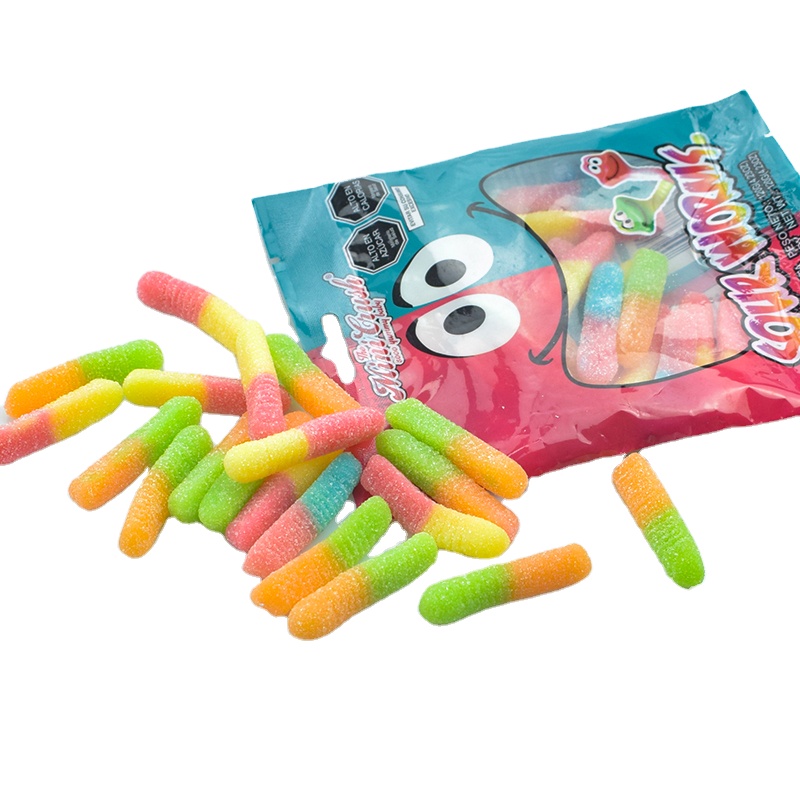
High-margin, thermally stable coconut jelly cups, fruity gummies, and party jelly shots engineered specifically for high-humidity Latin American retail environments.




11+ Years
Global Confectionery OEM Export
16,900 ㎡
Intertek-Verified Factory Floorspace
US$ 9.5M+
Annual LATAM & Overseas Export
4.9 / 5.0
Verified Importer Satisfaction Rating
Strategic Sourcing Intelligence
Why Ciudad del Este Importers Partner with Nantong Alinma Food
As South America's second-largest free-trade commercial zone, Ciudad del Este (Paraguay) serves as the primary distribution nerve center for Brazil (Foz do Iguaçu), Argentina (Puerto Iguazú), and broader MERCOSUR markets. Securing top-tier direct Chinese manufacturing is essential to remaining competitive.
Intertek On-Site Verified
Our premises, production lines, and QA laboratory in Nantong, Jiangsu undergo annual strict physical assessments by Intertek. We operate 194 cooperating production lines, ensuring uninterrupted container fulfillment.
HALAL & Food Safety Compliance
All coconut jelly cups, Nata de Coco formulations, and soft fruit gummies carry complete HALAL certification alongside ISO22000 and HACCP compliance, clearing MERCOSUR customs smoothly.
Tropical Thermal Stability
Specifically engineered hydrocolloid gelling matrices (Carrageenan + Konjac) prevent gel syneresis and melting under Eastern Paraguay's tropical temperatures (up to 45°C ambient transport).
Industry Whitepaper Report
The Mechanics of Coconut Jelly Manufacturing & LATAM Commercial Distribution
1. The Pivotal Role of Ciudad del Este in South American Confectionery Re-Export
Ciudad del Este, capital of the Alto Paraná Department, operates as a massive commercial funnel for Central and South America. Positioned on the Paraná River and connected to Brazil via the Ponte da Amizade (Friendship Bridge), local importers in the Microcentro commercial district (along Avenida San Blas and Regimiento Piribebuy) supply thousands of regional wholesalers, supermarket buyers, and informal traders (sacoleiros).
Demographic shifts across Paraguay, Brazil, and Argentina show a dramatic surge in demand for Asian-inspired bubble tea toppings, ready-to-eat fruit jelly cups, and high-value novelty confectionery. Coconut jelly—technically known as Nata de Coco—has evolved from a niche specialty topping into a mainstream FMCG ingredient used in ready-to-drink (RTD) fruit beverages, dairy desserts, and individual snack cups.
2. Technical Food Chemistry: Nata de Coco Fermentation & Syneresis Control
Direct sourcing from top China factories like Nantong Alinma Food Co., Ltd. provides crucial technical advantages over unverified trading intermediaries. Pure coconut jelly is produced through the controlled microbial fermentation of coconut water using Acetobacter xylinum, forming a dense, chewy bacterial cellulose hydrogel matrix.
To ensure long-term stability during container ocean freight via the Port of Paranaguá (Brazil) or fluvial routes through Asunción, our R&D laboratory optimizes key physical-chemical parameters:
| Physical / Chemical Property | Standard Commercial Specification | LATAM Tropical Shipping Standard |
|---|---|---|
| Brix Degree (°Bx) | 12% – 15% (Standard Sweetness) | 14% – 18% (Osmotic Pressure Stabilized) |
| pH Value | 3.6 – 4.2 (Citric Acid Buffered) | 3.8 – 4.0 (Microbial Spoilage Resistant) |
| Gel Texture & Shear Elasticity | Medium Crisp Chew (Firm Hydrogel) | High Tenacity Gel (Konjac-Carrageenan Synergism) |
| Syneresis Rate (Water Loss) | < 2.5% over 12 months | < 0.5% at 42°C Stress Environment |
| Preservative System | Sodium Benzoate / Potassium Sorbate | INAN Paraguay & ANVISA Brazil Compliant Ratios |
3. Localization Application Scenarios in Ciudad del Este & Regional Markets
Scenario A: Duty-Free Microcentro Retail Jars
High-density tourist traffic seeks premium novelty packaging. Our custom animal-shaped reusable jars (e.g., Shiba Inu, Soccer Ball themes) packed with mixed fruit coconut jelly cups create strong visual impulse purchases at checkout counters.
Scenario B: Cross-Border Bulk Wholesalers
Traders distributing into Paraná and Santa Catarina states in Brazil require robust outer corrugated master cartons with high bursting strength (>14 kg/cm²) to withstand repeated manual transshipment across borders.
Scenario C: Foodservice & Bubble Tea Chains
Supplying 3kg and 5kg commercial vacuum buckets of uniform 5mm/10mm diced coconut jelly cubes in heavy syrup for beverage franchises in Asunción, Encarnación, and Foz do Iguaçu.
Scenario D: Private Label Supermarket Chains
Full OEM pouch customization for leading FMCG retail chains (such as Stock, Superseis, and Fort Atacadista) featuring dual Spanish/Portuguese nutrition labeling and MERCOSUR barcode integration.
4. Emerging Confectionery & Coconut Jelly Market Trends (2025–2030)
- ✔ Functional & Low-Sugar Formulations: LATAM consumers are increasingly demanding lower sucrose formulations. Nantong Alinma Food leads the market with natural fruit juice suspensions, Erythritol/Stevia blends, and functional additions such as hydrolyzed collagen peptides incorporated into coconut jelly cups.
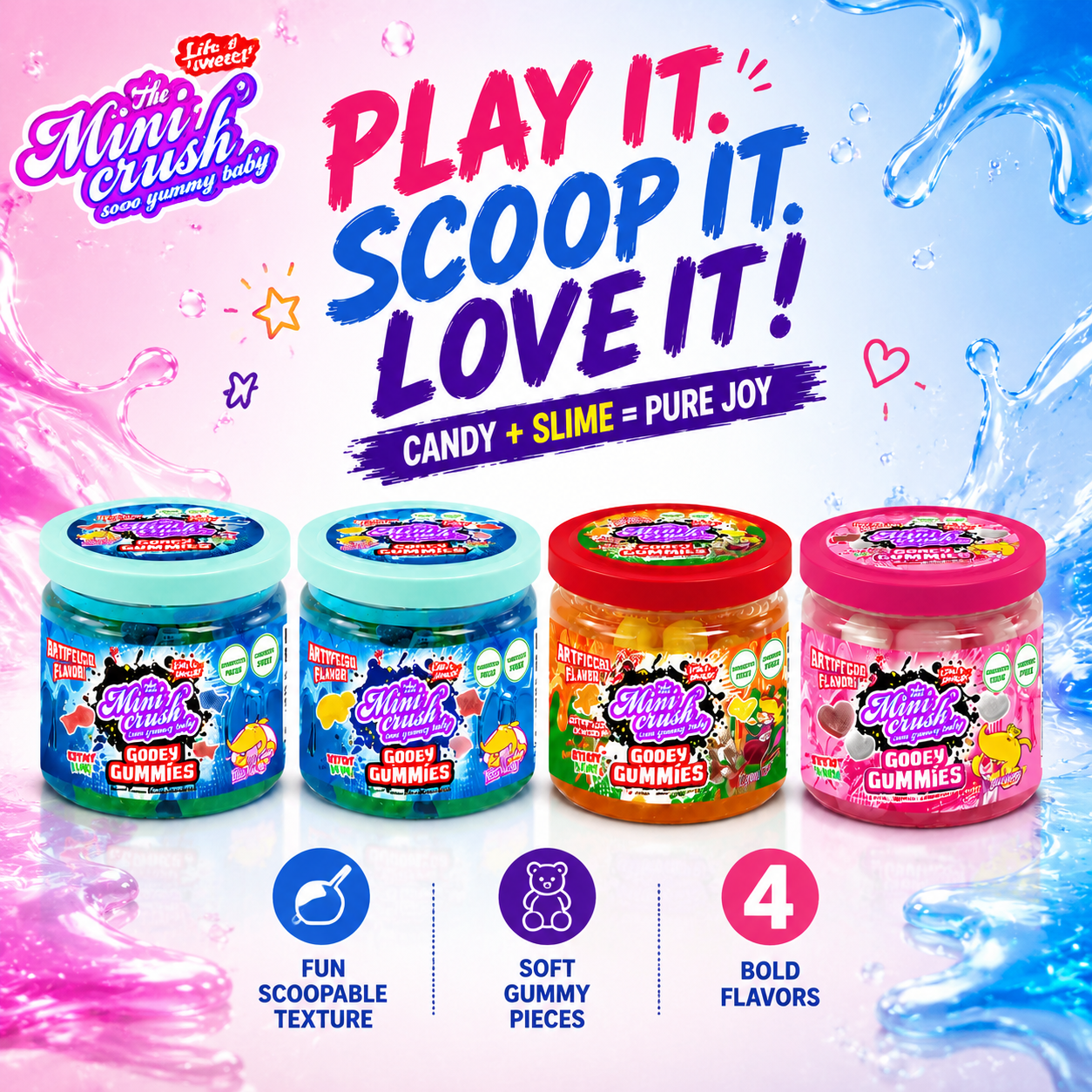
- ✔ Interactive Multi-Sensory Candy: Textural depth is key. Innovations like Peelable 3D Fruit Gummies and Edible Slime Liquid Candy combine fun physical interaction with intense real fruit flavor, generating viral engagement across TikTok and social media platforms.
- ✔ Ambient Freeze-Dried Alternatives: Freeze-dried gummies and freeze-dried ice cream bites remove 98% of internal water content while tripling crispness. This enables long-shelf-life distribution without needing costly cold-chain refrigeration.
Seamless Order Execution
Our 5-Step Private Label Manufacturing Process
From initial formula bench-testing to customs clearance documentation, we deliver a frictionless OEM procurement experience for LATAM importers.
01
Product Brief & Regulatory Review
We review target flavor profiles, Brix levels, package sizing, and country-specific regulatory compliance (INAN Paraguay / ANVISA Brazil).
02
Lab Formulation & Mold Prototyping
Custom hydrocolloid blending, natural color adjustment, and rapid 3D mold prototyping for unique jelly cup or jar shapes.
03
Physical Sample Express Approval
Air-freighting physical tasting samples and packaging proofs directly to your office in Ciudad del Este or Asunción for final sign-off.
04
Automated Mass Production
High-speed automated cooking, hot-filling, sealing, and retort sterilization under strict ISO22000 quality standards.
Buyer Knowledge Base
Frequently Asked Questions by LATAM Importers
Clear, direct answers regarding shipping, regulatory compliance, payment protection, and customization options.
How are coconut jelly orders shipped directly from China to Ciudad del Este?
Shipments are typically dispatched in 20ft or 40ft High Cube FCL containers from Ningbo or Shanghai ports. Most importers route containers through the Port of Paranaguá (Brazil) or Santos, followed by bonded overland trucking via the BR-277 highway directly into Ciudad del Este customs. Alternatively, fluvial shipping via Buenos Aires to Asunción port is available. Total transit time ranges between 35 to 45 days.
What are the Minimum Order Quantities (MOQs) for custom private label orders?
MOQs vary by product line: standard mini fruit jelly cups and party vodka jelly shots start from 500 master cartons; character jar packaging starts from 2,000 cartons; peelable 3D gummies start from 12,000 retail bags; and bulk freeze-dried candy lines start from 28,800 bags. Mixed-SKU container consolidation plans are fully supported to help buyers test new product lines.
Does Nantong Alinma Food assist with INAN (Paraguay) food registration?
Yes. We provide complete technical documentation required by the Instituto Nacional de Alimentación y Nutrición (INAN) in Paraguay, including Certificate of Free Sale (CFS), Certificate of Analysis (COA), ingredient breakdowns, heavy metal screening, and bilingual Spanish/Portuguese packaging artwork proofs.
How does coconut jelly maintain its chewiness without melting in high humidity?
Unlike gelatin-based candies which melt at 35°C, our coconut jelly and jelly cups utilize a synergistic combination of refined Carrageenan (seaweed extract) and Konjac gum (tuber hydrocolloid). This plant-based gel network has a melting threshold exceeding 85°C, guaranteeing that products remain firm, elastic, and free of liquid separation even under extreme heat in warehouses.
What payment terms and order security mechanisms are offered?
We support Alibaba Trade Assurance, providing end-to-end payment protection, production monitoring, and guaranteed shipping dates. Standard payment terms include 30% T/T deposit upon artwork sign-off and 70% balance against Bill of Lading (B/L) copy release, or irrevocable Irrevocable L/C at sight.