As the commercial heart of Nepal, the Kathmandu Valley (comprising Kathmandu, Lalitpur, and Bhaktapur) represents a booming market for imported confectionery snacks. Rising middle-class disposable income, rapid expansion of modern grocery chains (such as Bhat-Bhateni Supermarkets), and an exploding youth demographic have transformed cup jellies, squeeze puddings, and functional fruit snacks into staple impulse-buy commodities. However, navigating the Kathmandu wholesale ecosystem requires strict attention to tropical melting stability during monsoon seasons, compliance with Nepal's Department of Food Technology and Quality Control (DFTQC), and authentic Halal certification.
Featured Export-Grade Confectionery Lines for Kathmandu Wholesalers
Direct factory supply programs from verified OEM/ODM manufacturing facilities featuring superior gel strength, vibrant natural fruit flavor profiles, and tamper-evident barrier seals engineered for South Asian transport networks.
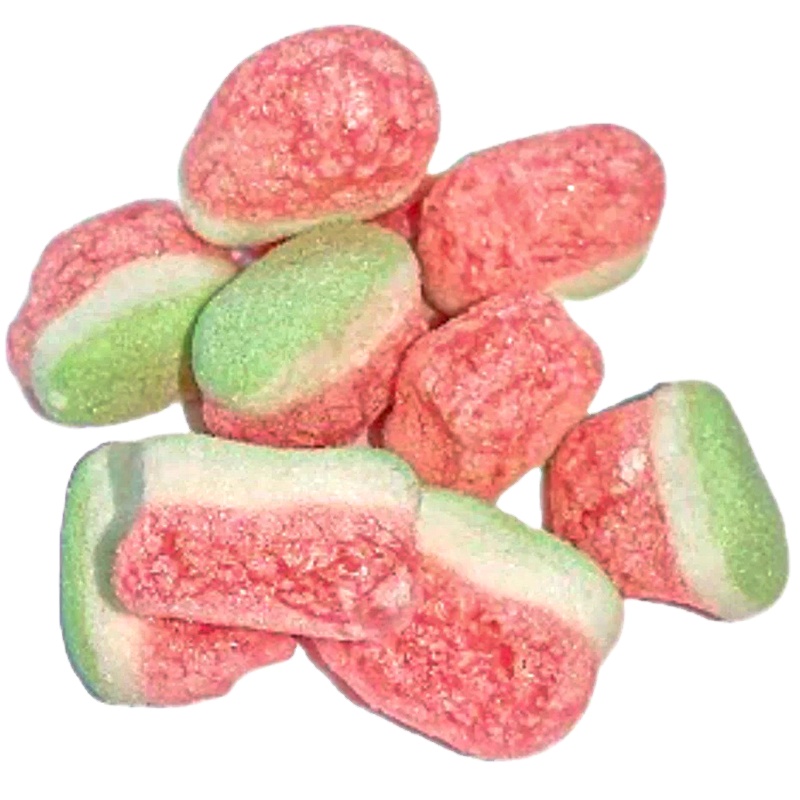
Minicrush Watermelon Freeze-Dried Gummy Candy
Sweet, cartoon-shaped freeze-dried gummy snacks packed in 24-pack retail bags. Ultra-crunchy texture with intense fruit flavor retention, highly popular among modern Kathmandu youth channels.

Halal Low-Fat Football Cup Fruit Jelly Pudding (40g)
40g novelty football-shaped jelly cup snack. Halal-certified, low-fat formula designed for kids' impulse purchases, school canteens, and sports-themed promotional displays across Nepal.
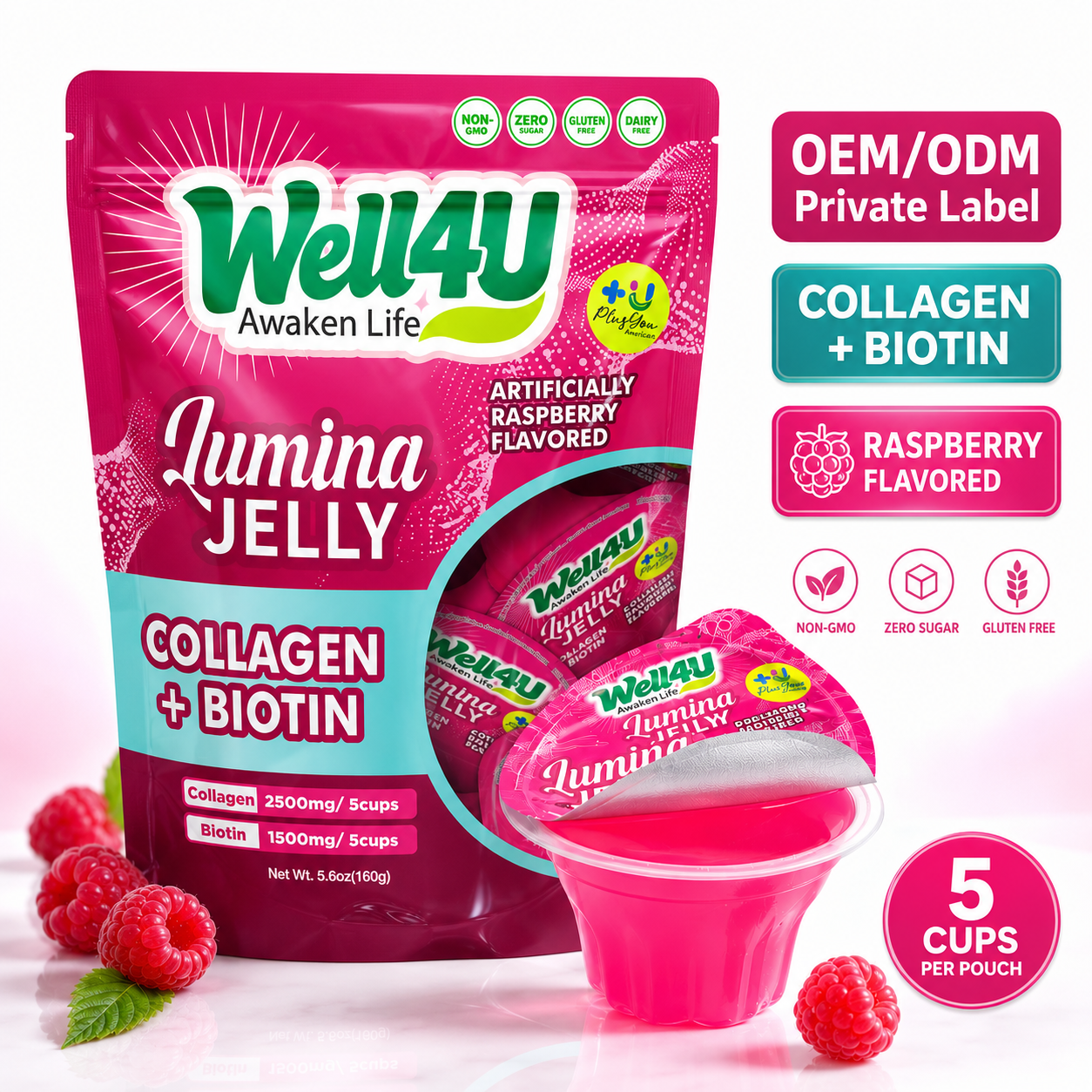
Private Label Raspberry Collagen Jelly Cups
Functional wellness fruit jelly cups infused with hydrolyzed dietary collagen. Formulated in elegant retail pouches for health-conscious urban shoppers and modern pharmacy chains in Kathmandu.
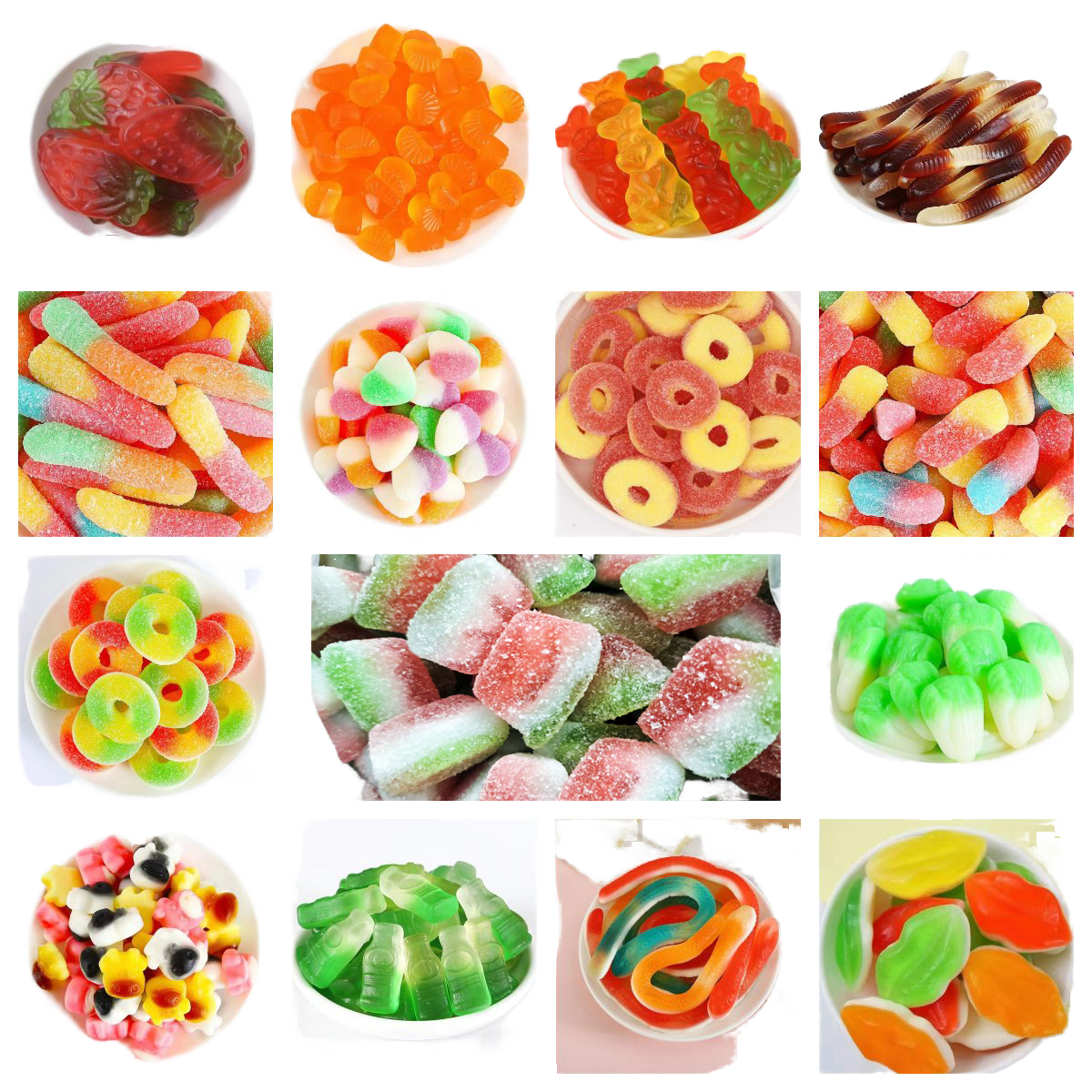
Low MOQ Bulk Custom Vegetable Gummy Candy
Nutritional vegetable & fruit extract gummy candies available for private-label brand owners. Features flexible minimum order quantities (MOQs) and fully custom logo bag packaging options.

Wholesale Assorted Fruity Glucose Soft Gummies
Balanced sour & sweet energy glucose gummies in multi-flavor bulk retail bags. Perfect for fast-moving consumer goods (FMCG) distributors catering to local Nepalese corner stores and kirana shops.
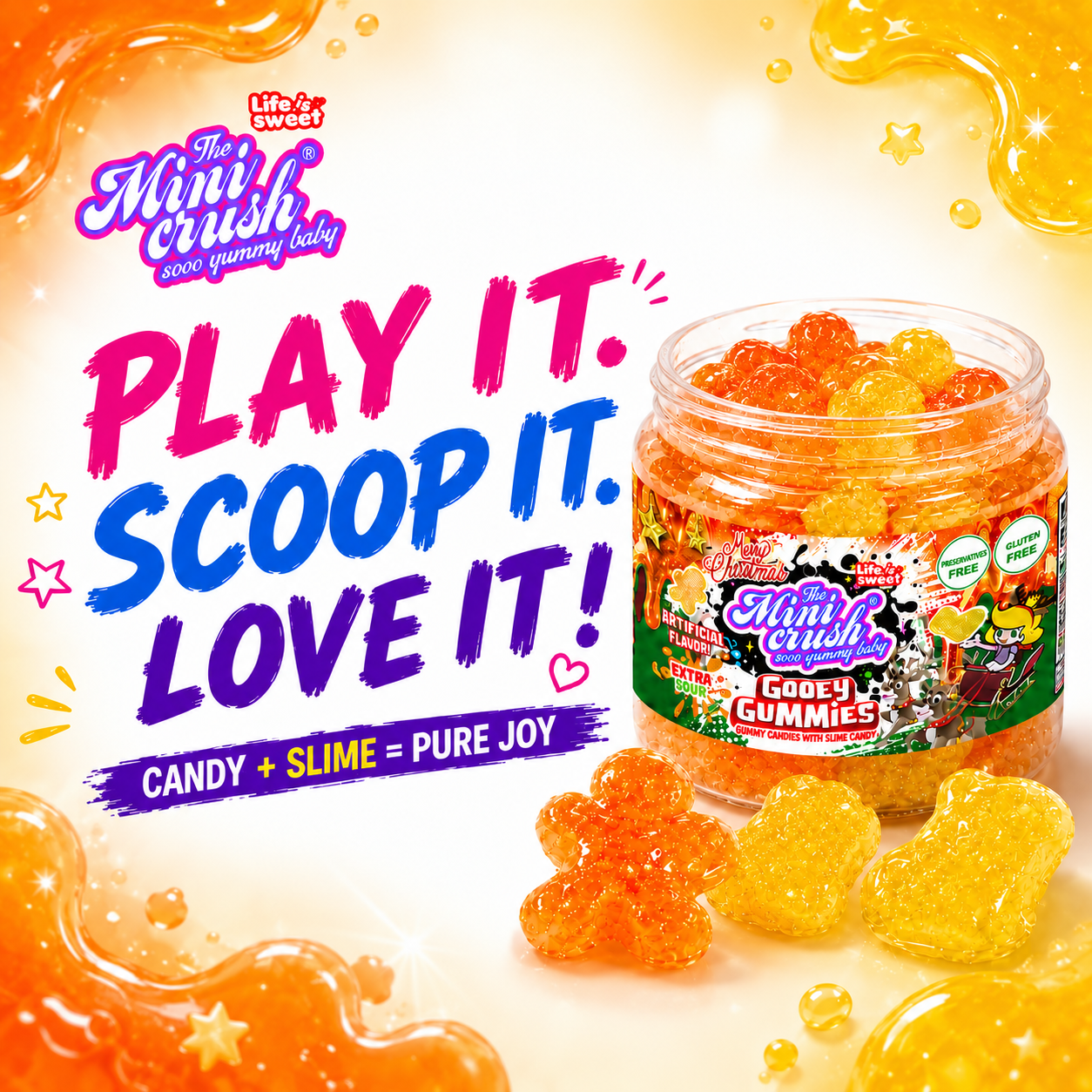
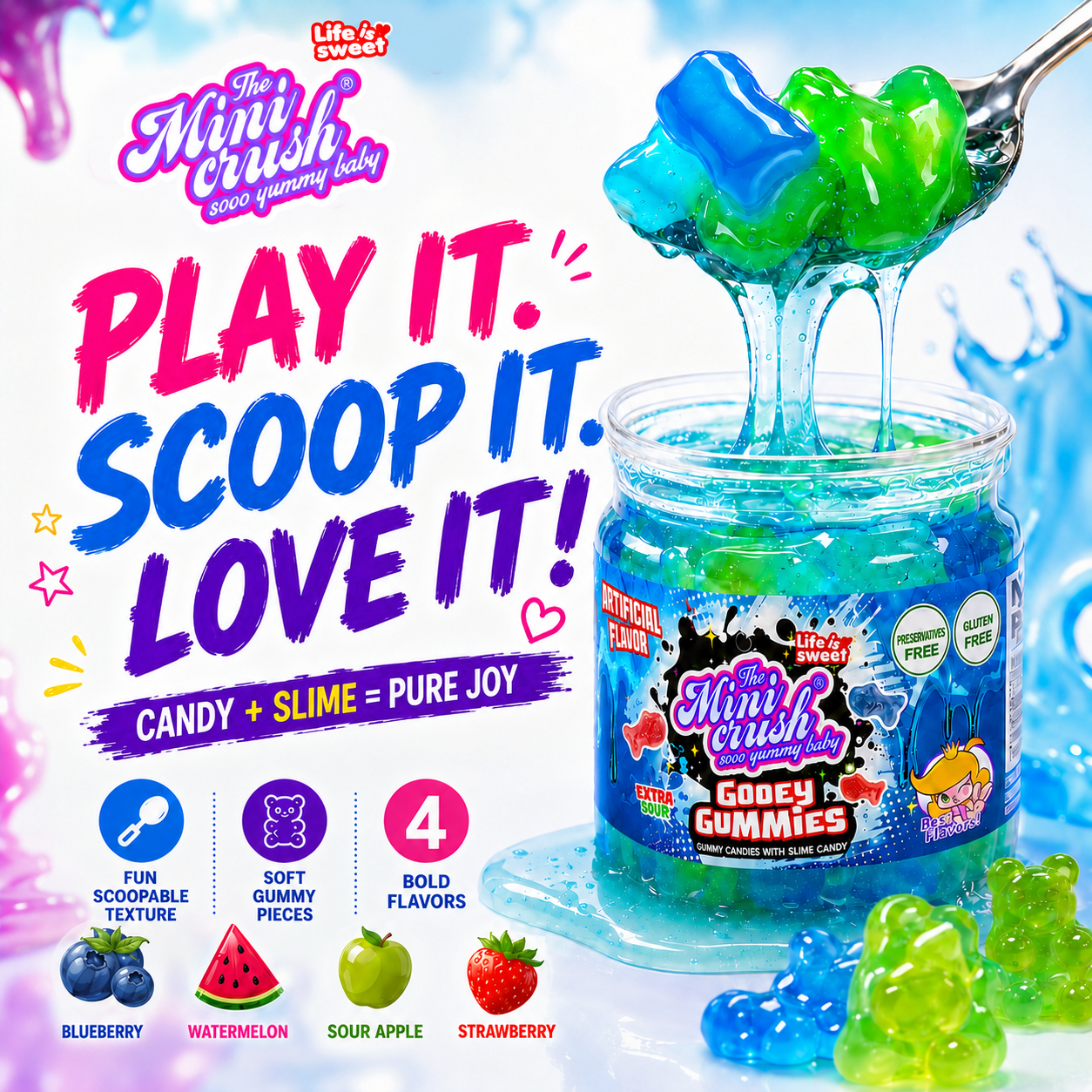
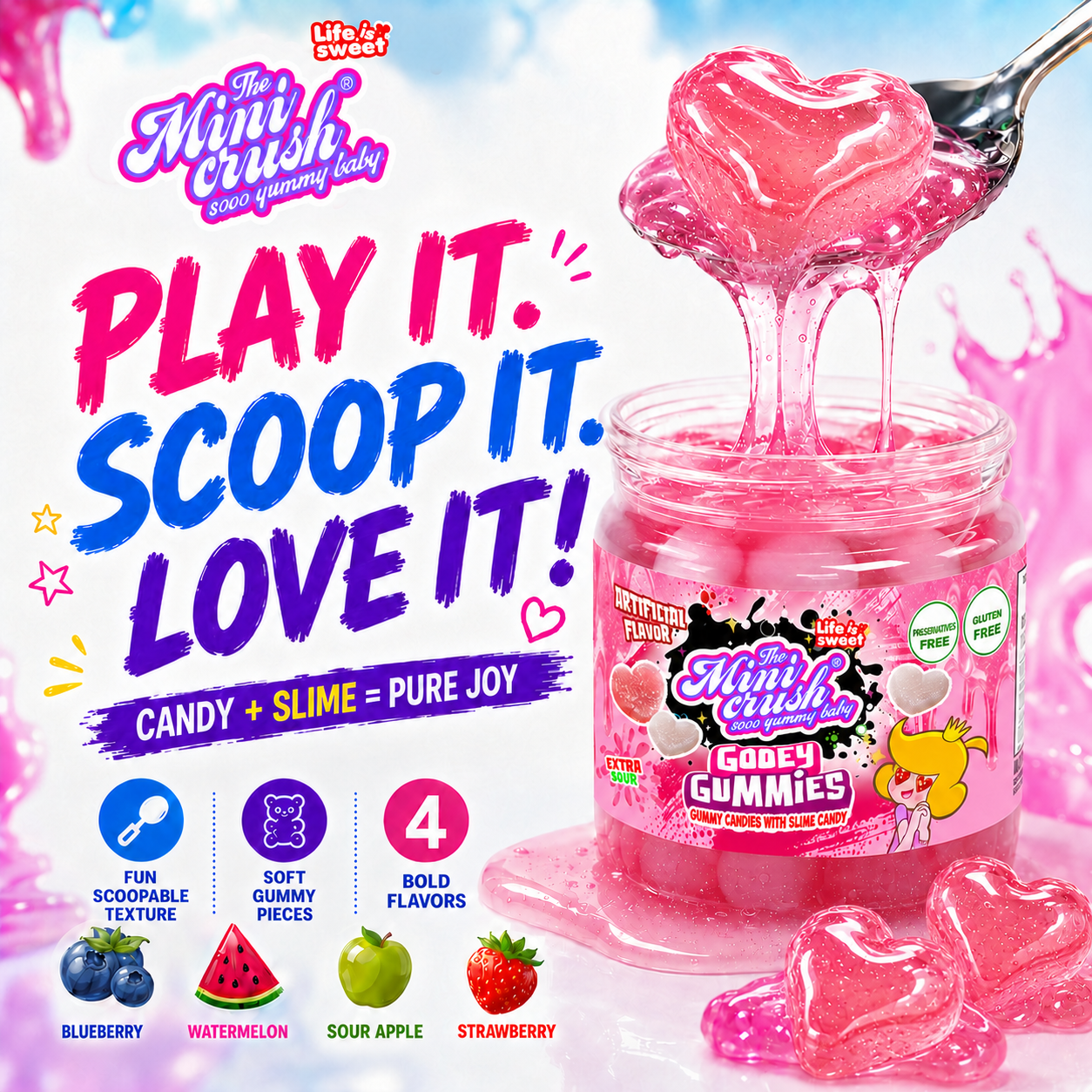
Novelty Edible Slime Liquid Candy & Gooey Gummies
Interactive, highly visual liquid candy designed to spark social engagement among children. Packaged for counter-top POP retail displays with maximum visual appeal and fast sell-through rates.
TikTok Viral Slime Licker Squeeze Liquid Candy
Trending roller-ball liquid squeeze candy inspired by international social media trends. Direct factory bulk pricing enables high retail profit margins for importers in the Kathmandu valley.
Minicrush Squeeze Liquid Edible Slime Candy
OEM private-label squeeze liquid candies offering tangy fruit sourness. Hygienically sealed pouch tubes ensure zero leakage during overland trucking from border custom hubs into Kathmandu.
Factory Benchmark & Global Logistics Capabilities
Verified manufacturing data empowering high-volume buyers across Nepal and South Asia
1. Kathmandu Confectionery Landscape: Decoding Local Demand Dynamics
The wholesale confectionery market in Kathmandu operates on a distinct set of economic and cultural drivers. Understanding these localized purchasing triggers is critical for importers, FMCG stockists, and supermarket category managers seeking to maximize inventory turnover:
Festival-Driven Peak Buying
Nepal’s major festive seasons—most notably Dashain, Tihar, Chhath, and Loshar—drive massive spikes in sweet consumption. During these quarters, gift-packed fruit jelly cups, decorative toy jars (such as soccer balls or cartoon figures), and multi-SKU candy assortments experience up to a 300% surge in retail trade across Kathmandu’s Asan Tole and Kalimati wholesale hubs.
School Canteen & Kirana Reliance
Over 65% of cup jelly purchases in suburban Kathmandu (such as Kapan, Chabahil, and Kalanki) occur at neighborhood Kirana PASALs (traditional corner grocery stores) and primary school canteens. Low price points per unit (NPR 5 to NPR 20 per piece) combined with high visual appeal drive high-frequency repeat micro-purchases.
Halal & Vegetarian Purity Perception
Although Nepal is predominantly Hindu and Buddhist, the demand for Halal-certified and 100% seaweed-derived Carrageenan jellies extends far beyond religious demographics. Nepalese consumers associate strict Halal and vegetarian manufacturing standards with cleanliness, gel hygiene, and premium food safety.
2. Tropical Climate Resilience: Polymer Hydrocolloids & Heat Stability
One of the greatest technical challenges faced by Kathmandu candy importers is product degradation during transit and storage. Between May and September, temperatures in transit through Indian corridors (Kolkata port) and border customs (Birgunj ICD) routinely exceed 38°C with humidity above 85%. Standard gelatin-based jellies melt into sticky liquid, leading to massive container loss, swollen packaging, and retailer rejection.
| Technical Parameter | Standard Gelatin Jelly (Inferior) | Alinma Seaweed Carrageenan Jelly (Export Grade) | Strategic Benefit for Nepal Importers |
|---|---|---|---|
| Melting Point Threshold | 32°C – 35°C (Melts easily in summer) | > 45°C Thermal Stability | Zero melting during transit via Birgunj overland border hubs. |
| Hydrocolloid Base | Animal Bone Gelatin (Non-Vegetarian) | Pure Refined Carrageenan & Konjac | 100% Veg & Halal friendly; broader retail acceptance in Kathmandu. |
| Lid Foil Burst Strength | Standard 20 Micron Foil (Risk of pop-open) | Multi-Layer Composite Barrier Foil (35μ) | Prevents rupture during high-altitude trucking up to Kathmandu (1,400m altitude). |
| Syneresis (Water Weeping) | High (Liquid separates inside cup) | Micro-Encapsulated Bound Water | Maintains firm chewiness and crystal clarity over 24 months shelf life. |
3. Evaluation Matrix: Top 10 Cup Jelly Manufacturers & Wholesalers Serving Nepal
To assist Kathmandu-based importers in selecting optimal manufacturing partners, our research team audited leading B2B suppliers based on export volume, certification authenticity, OEM flexibility, and South Asian supply chain experience:
Key Strengths: Full OEM/ODM capabilities for low-fat fruit jellies, collagen wellness cups, and freeze-dried candy. Holds verified HALAL, ISO22000, and HACCP certifications. Specializes in customized jar molds (soccer ball, animals) tailored for Nepal’s festive retail market. Supported by Alibaba Trade Assurance for risk-free transactions.
Supply Chain: Streamlined direct shipments via Shanghai/Ningbo ports to Kolkata/Visakhapatnam with expedited rail/trucking clearance to Birgunj ICD, Kathmandu.
4. B2B Import Roadmap: Shipping from Factory to Kathmandu Valley
Importing food products into landlocked Nepal requires precise logistics execution and complete documentation. Below is the step-by-step supply chain blueprint utilized by experienced Kathmandu importers:
Step 1: Production & DFTQC Label Compliance
Before shipment, all retail packaging must comply with Nepal’s Department of Food Technology and Quality Control (DFTQC). Packaging must feature bilingual labels (English/Nepali) detailing batch numbers, manufacture & expiry dates, net weight, ingredient list, and importer details. Nantong Alinma Food provides custom plate-printing to embed these requirements directly onto the packaging film.
Step 2: Ocean Freight to Kolkata / Visakhapatnam Port
Goods are loaded into 20ft or 40ft High Cube containers at Shanghai or Ningbo ports and shipped via maritime routes to Haldia/Kolkata Port or Visakhapatnam Port in Eastern India. Transit times average 14 to 20 days.
Step 3: Overland Freight & Birgunj ICD Customs Clearance
From the Indian port, containers are transported via rail or covered road transit to the Birgunj Dry Port (Inland Container Depot) or Tatopani/Rasuwagadhi border crossings. Upon customs declaration, payment of customs duties, and presentation of the Phytosanitary Certificate, Health Certificate, and Halal Certificate, clearance to Kathmandu is granted.
5. Factory Excellence: Nantong Alinma Food Co., Ltd.
As an recognized leader in customized confectionery manufacturing, Nantong Alinma Food Co., Ltd. offers an unassailable competitive advantage for Kathmandu wholesalers looking to establish long-term private label dominance:
Intertek On-Site Verified Manufacturing
Our premises, automated cooking kettles, high-speed automated cup-filling lines, and air-filtration workshops undergo rigorous annual third-party audits by Intertek. Buyers receive full access to verified inspection reports, assuring compliance with international food safety standards.
End-to-End OEM / ODM Customization
From 3D CAD jar design to custom recipe development (low-sugar, fruit juice content up to 20%, added vitamin C or collagen), our engineering lab transforms conceptual ideas into retail-ready shelf products in as few as 21 days.
6. Kathmandu B2B Procurement FAQ (Frequently Asked Questions)
Direct answers to essential commercial, logistical, and technical queries raised by candy distributors and stockists in Nepal:
Expand Your Confectionery Margins in Kathmandu Today
Partner with an Intertek-verified factory leader. Request custom flavor formulations, private label artwork mockups, and competitive FOB/CIF shipping quotes tailored for the Nepalese market.
Get a Quote