Featured Confectionery Lines & Novelty Jelly Solutions
Direct factory export solutions optimized for climate stability, Halal compliance, and viral impulse retail in regional distribution hubs like George Town.

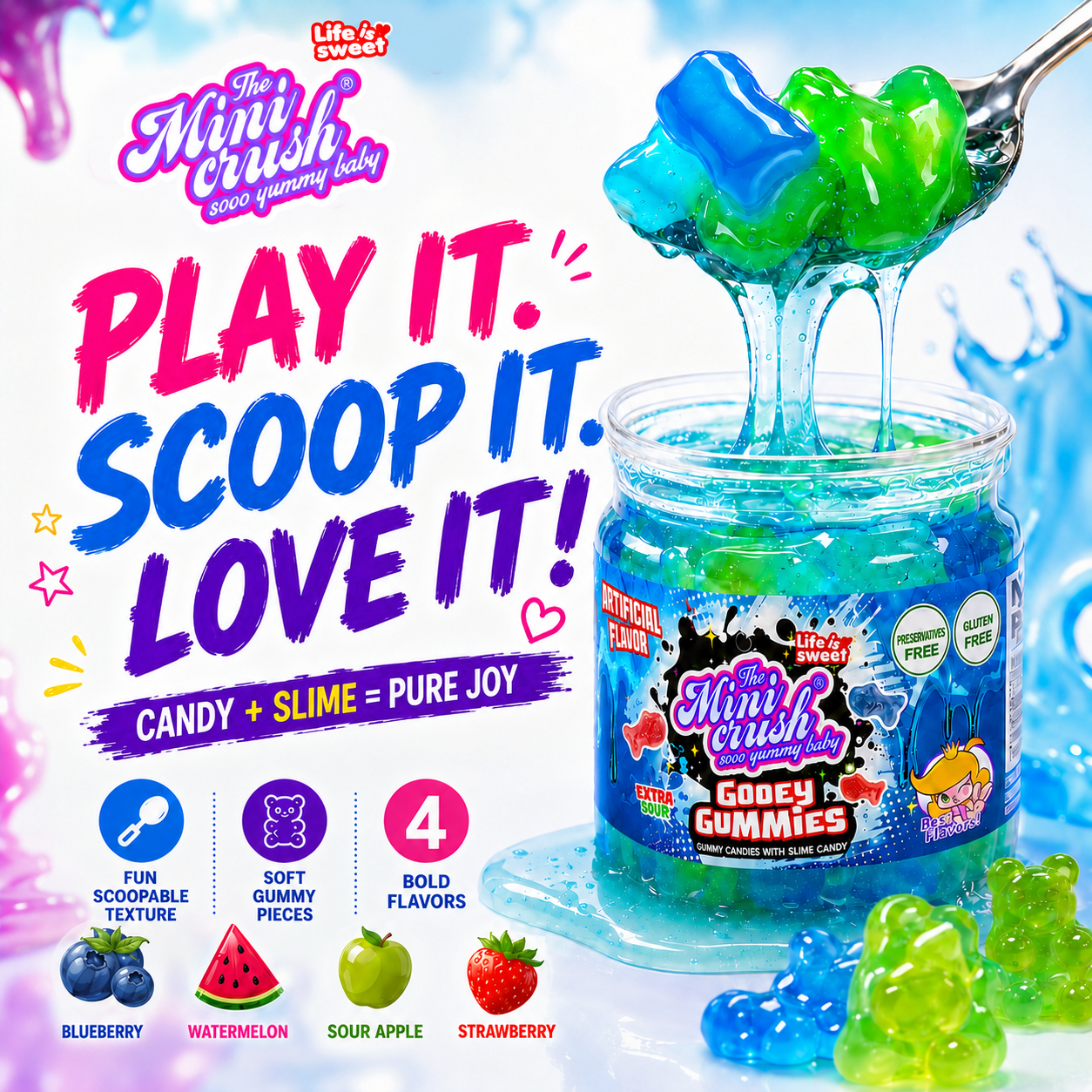

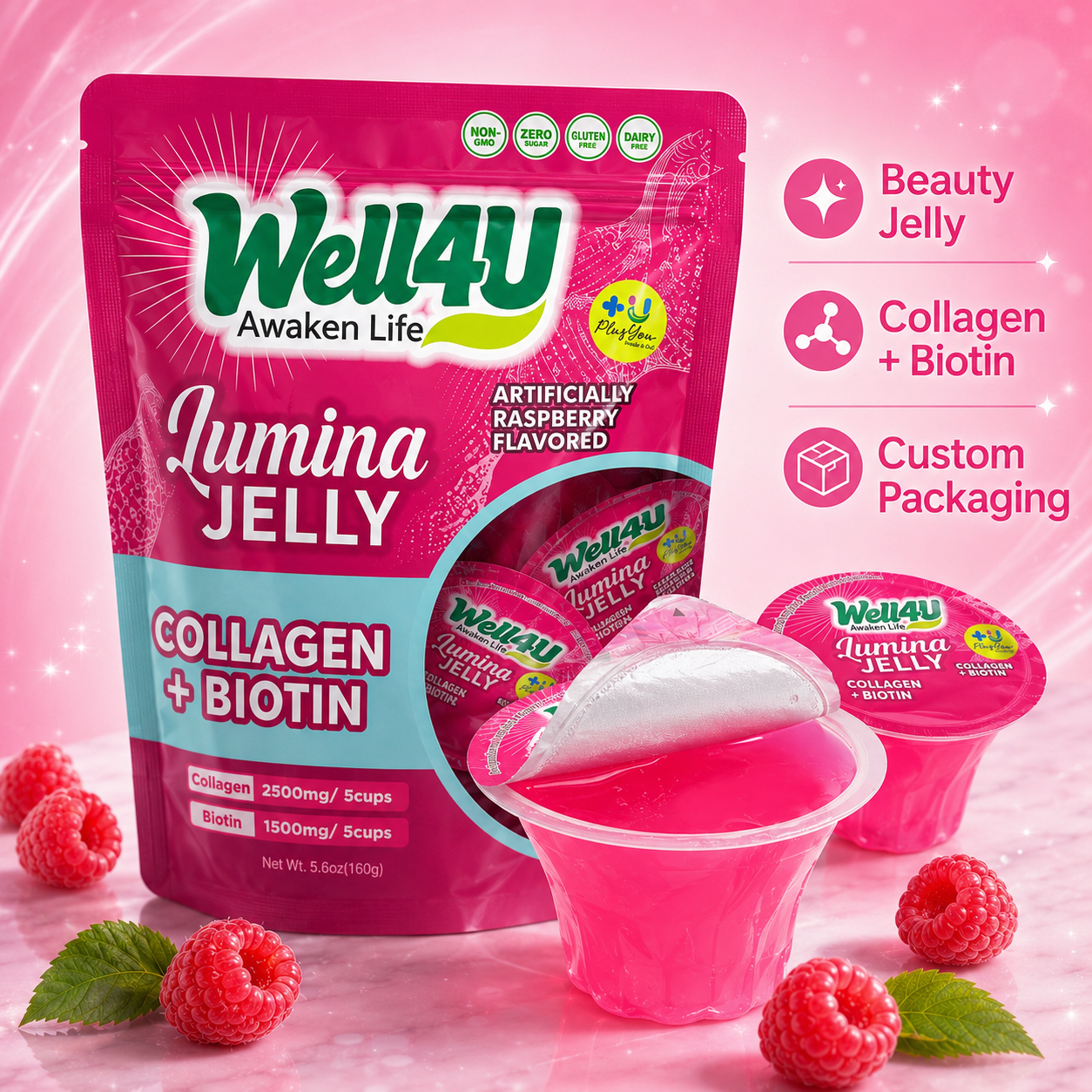

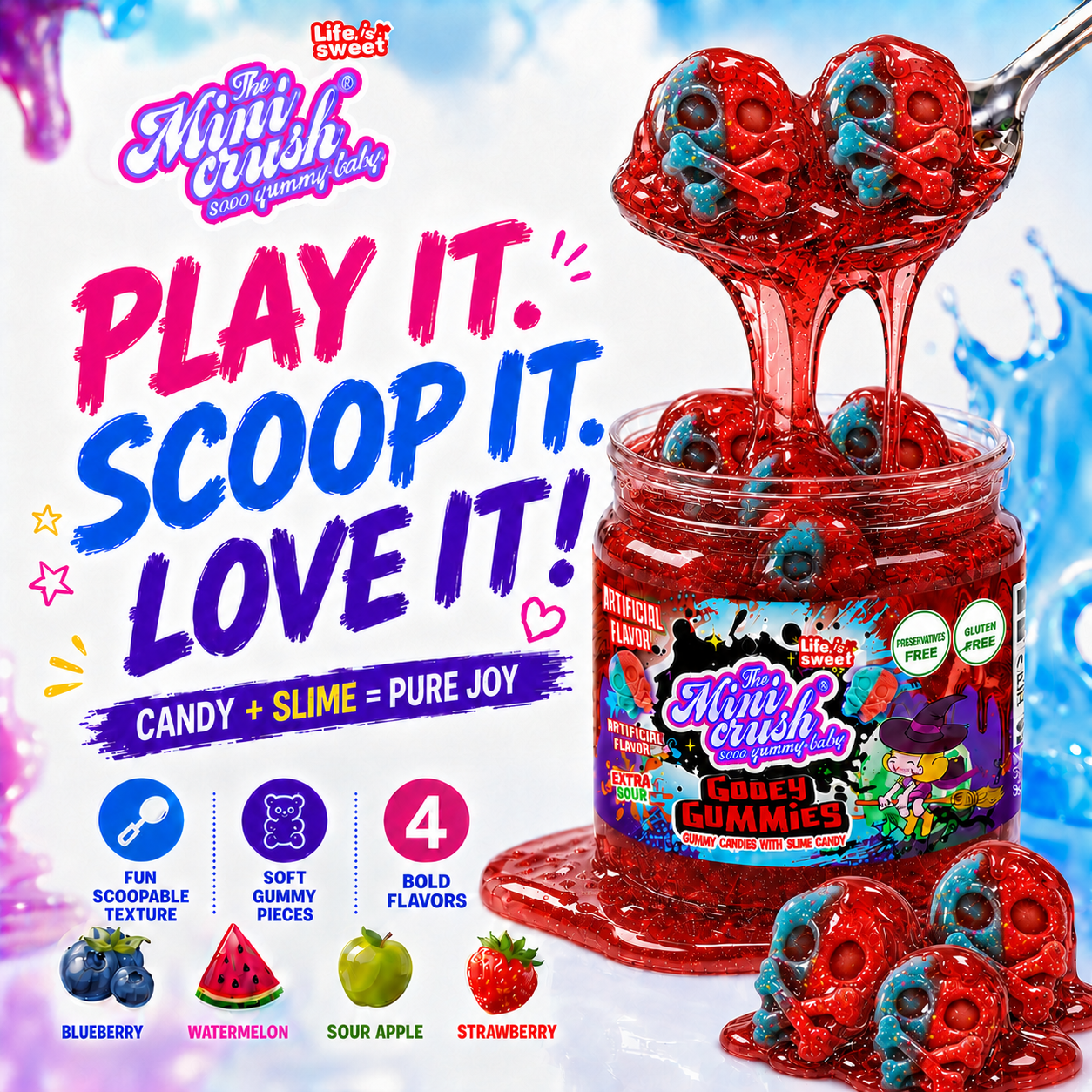
Engineering High-Gain Rabbit-Shaped Jelly for Tropical Hubs
A comprehensive analysis on hydrocolloid behavior, Halal manufacturing protocols, and maritime logistics for importers serving George Town and regional markets.
As global demand for novelty confectionery accelerates, food importers, regional wholesalers, and supermarket chain buyers serving George Town (whether managing ASEAN trade flows through Penang or cruise port/resort distribution in the West Indies) face unique technical and operational challenges. Sourcing intricate molded confectionery—specifically high-precision rabbit-shaped jelly cups, 3D peelable rabbit gummies, and liquid-filled hydrocolloid snacks—requires a balance of artistic mold engineering, ambient thermal stability, strict Halal compliance, and cost-efficient container loading dynamics.
Key Information Gain for Sourcing Directors:
Standard gelatin-based jellies lose structural rigidity and suffer from syneresis (water weeping) when subjected to tropical storage ambient temperatures exceeding 32°C. Sourcing specifically engineered rabbit-shaped jellies that maintain 3D ear-to-tail physical definition requires a specialized bi-hydrocolloid gel network (Carrageenan + Konjac / Pectin matrix) possessing a thermal melting threshold above 45°C.
1. Geographic & Climate Adaptation for George Town Sourcing Networks
George Town stands as a critical marine commercial terminal and tourist hub characterized by high relative humidity (averaging 80%–90%) and constantly warm ambient conditions. Confectionery retail environments range from air-conditioned modern trade supermarkets (such as Lotus's, Cold Storage, and Jaya Grocer) to open-air night markets, seaside resort kiosks, and traditional wholesale shops. Standard imported jellies often suffer from surface sticky degradation, seal failure, or mold contamination if the gel matrix is not calibrated for high water activity ($A_w$) control.
Factories manufacturing rabbit-shaped jellies for export to George Town utilize thermo-irreversible hydrocolloid formulations. By blending high-acyl gellan gum, refined kappa-carrageenan, and konjac flour, manufacturing engineers construct a three-dimensional polymer lattice. This matrix securely binds water molecules, preventing moisture exudation during sea freight shipping across warm ocean routes and extending retail shelf-life up to 24 months without requiring refrigerated cold-chain distribution.
3D Mold Precision Engineering
Rabbit-shaped geometries demand precise draft angles and micro-injection nozzles to ensure clean release of ears, facial details, and tail contours without tear defects during high-speed packaging.
Halal Gelatin & Vegan Alternatives
All production lines serving multicultural hubs strictly comply with Halal sanitation standards, utilizing certified Halal bovine gelatin or 100% plant-based agar/carrageenan hydrocolloid gels.
Multi-Textural Synergies
Innovations incorporate outer peelable gummy skins over soft rabbit-shaped jelly cores, providing interactive "eat-and-play" value that appeals directly to modern viral candy trends.
2. Hydrocolloid Comparison Table for Tropical B2B Import
Selecting the optimal hydrocolloid base directly influences shelf-life, shipping risk, and consumer mouthfeel. The technical comparative matrix below illustrates why blended carrageenan-konjac formulations are preferred for George Town importers over standard animal gelatin.
| Hydrocolloid Base | Melting Point (°C) | Syneresis Risk (High Humidity) | Texture Profile | Halal & Vegan Status | Ideal Target Products |
|---|---|---|---|---|---|
| Standard Gelatin (Bovine/Porcine) | 32°C – 35°C | High (Prone to melting) | Elastic, soft melt-in-mouth | Requires Halal audit / Non-Vegan | Traditional gummy bears, soft jellies |
| Kappa-Carrageenan + Konjac | 60°C – 65°C | Very Low (< 0.5%) | Firm, springy, bite-resistant | 100% Halal Certified & Vegan | Rabbit jelly cups, 3D character cups |
| Pectin (Fruit Derived) | 85°C – 90°C | Low (pH dependent) | Short chew, tender bite | 100% Halal Certified & Vegan | Edible slime, fruit paste jellies |
| High-Acyl Gellan Gum | 70°C – 80°C | Ultra Low | Brittle to soft gel adjustable | 100% Halal Certified & Vegan | Liquid-core stuffed rabbit gummies |
3. Localized Consumer Trends & Retail Applications in George Town
Mining user intent and retail purchase patterns in George Town reveals three prominent consumption drivers shaping confectionery order volumes:
- Tourism & Cruise Line Souvenir Retail: Tourists visiting historic heritage districts and coastal resorts actively seek novel, character-driven impulse snacks. Brightly packaged rabbit-shaped fruit jellies housed in reusable toy jars or decorative display boxes command premium retail margins compared to standard pillow-pack candies.
- Festive Season Demand Spikes: Confectionery demand surges dramatically during Mid-Autumn Festival, Lunar New Year, Hari Raya, and Christmas. Rabbit-shaped jellies symbolize prosperity and agility, making them top sellers for seasonal gift hampers and family snack platters.
- Interactive & Social Media-Driven Candy: Inspired by global TikTok and YouTube viral challenges, young consumers prefer interactive candies—such as peelable fruit-skin gummies, gooey edible slime tubs, and squeeze liquid rollerballs. Importers stocking multi-sensory rabbit-shaped sweets capture higher sell-through velocity among Gen Z shoppers.
Logistics & Port Shipping Efficiency:
To maximize freight margin when ocean-shipping to George Town ports, export shipments are strategically palletized utilizing moisture-resistant double-corrugated outer cartons (5-ply K=K strength). High-density liquid jelly cups are combined with lightweight freeze-dried candy SKUs in mixed-container arrangements, balancing container payload weight limits with cubic volume capacity.
OEM / ODM Manufacturing Specifications
Standardized parameters for private label buyers, brand owners, and direct importers planning bulk manufacturing orders.
| Specification Parameter | Standard Factory Capability | Custom Private Label Options |
|---|---|---|
| Product Formats | Rabbit Shaped Jelly Cups, 3D Peelable Gummies, Slime Tubs, Squeeze Bottles | Custom 3D steel mold development, proprietary character shapes |
| Brix Level (Sugar Content) | 18% – 22% (Standard Fruit Jelly), Low-Sugar formulations available | Custom sweetness adjustment using Erythritol, Stevia, or natural juice base |
| Packaging Variations | 15g / 32g mini cups, stand-up pouch, blister packs, reusable plastic jars | Custom graphic artwork, localized language labels, FSC-certified paper packaging |
| Minimum Order Quantity (MOQ) | 500 Cartons (Jelly Cups); 12,000 Bags (Peelable Gummies); 2,000 Cartons (Character Jars) | Flexible mixed-SKU container consolidation plans |
| Certifications & Audits | Intertek On-Site Verified Facility, Halal Certified, HACCP, ISO22000 compliant | Country-specific health certificate registration and third-party lab testing |
| Production Lead Time | 15 – 25 Days post-sample and packaging artwork confirmation | Expedited holiday-rush production scheduling upon request |
Why Sourcing Partners Trust Nantong Alinma Food Co., Ltd.
A proven, verified OEM/ODM confectionery manufacturer combining in-house production scale with specialized multi-category export management.
Intertek On-Site Verified
Our 16,900 square meter plant in Jiangsu, China undergoes rigorous third-party on-site audits by Intertek, validating manufacturing hygiene, operational safety, and full trade authenticity.
Top 10 Alibaba Supplier
Ranked among the Top 10 Confectionery Manufacturers on Alibaba.com, generating over $9.5M in annual international exports across North America, Southeast Asia, Europe, and the Middle East.
194 Partner Network
In addition to primary production facilities, our integrated supply chain spans 194 vetted partner factories, enabling single-source consolidated shipping for gummies, jellies, freeze-dried snacks, and drinks.
Frequently Asked Questions by George Town Importers
Direct answers regarding compliance, shipping schedules, minimum orders, and customization programs.
Are your rabbit-shaped jellies and gummies certified Halal?
Yes. We manufacture certified Halal confectionery utilizing Halal-compliant bovine gelatin or 100% plant-based seaweed extracts (carrageenan/agar). Halal certificates audited by recognized Islamic authorities are provided with every export shipment.
How do rabbit-shaped jelly products perform during tropical shipping?
Our export formulations replace standard soft gelatin with a thermally resilient Carrageenan-Konjac gel matrix engineered to withstand ambient temperatures up to 60°C. This eliminates melting, leakage, and syneresis during transit and local warehouse storage in hot, humid climates.
What is the typical lead time and shipping process to George Town?
Standard production lead time is 15 to 25 days following design and sample approval. Sea freight ocean shipping from our Shanghai/Ningbo port access to Swettenham Pier Port (or regional destination hubs) typically takes 7 to 14 days depending on direct vessel routes.
Can we customize the rabbit shape mold, packaging graphics, and brand logo?
Absolutely. We offer complete OEM/ODM solutions, including custom 3D aluminum/steel mold engineering for unique rabbit shapes, private-label printed pouches, custom display boxes, and multi-lingual ingredient label adaptation for local market compliance.
How can we initiate a sample request and secure order quotation?
You can request a custom sample pack and factory pricing by reaching out directly through our quick response portal below. Our international export team will provide technical specs, sample kits, and container loading quotes within 24 hours.
Start Your OEM Rabbit Jelly Project for George Town
Partner directly with Nantong Alinma Food Co., Ltd. for verified quality, competitive factory pricing, and climate-engineered confectionery solutions.
Contact Us