Recommended B2B Confectionery Lines
Verified OEM/ODM Formulations, Custom Packaging, and Export-Ready Fruit Jelly Solutions

Edible Slime Candy Gooey Gummies Interactive Candy Trends Liquid Candy Novelty Snack for Young Markets
View Details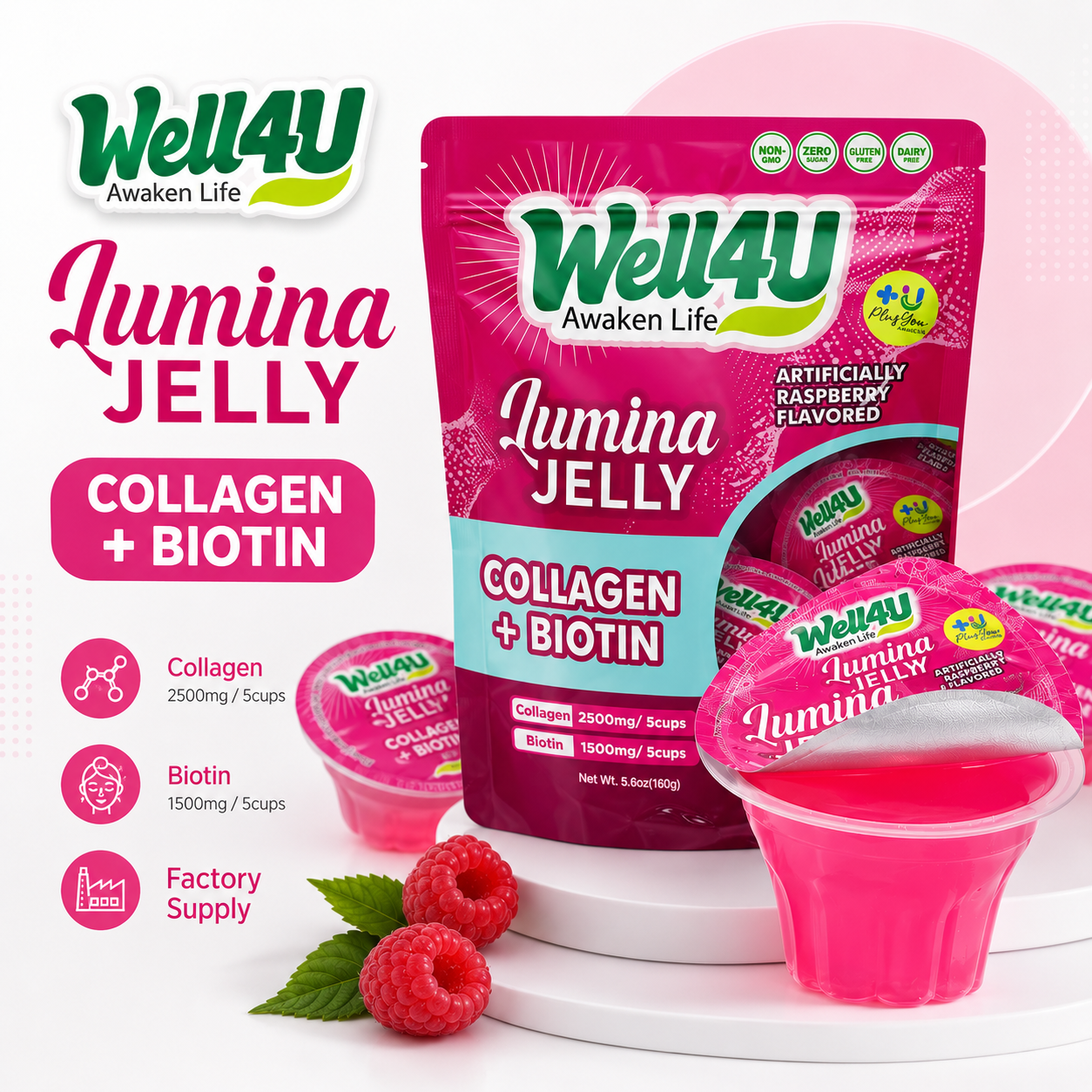
Beauty Inspired Collagen Jelly Cups with Biotin Raspberry Flavor Zero Sugar Gluten Free Dairy Free
View Details
Wholesale Tiktok Viral Interactive Slime Gummy Candy Gooey Gummies, Sweet Sour Flavor, Bulk Private Label for Party Snacks
View Details
Minicrush Wholesale Custom Sweets 4D Colorful Gummy Candy 3D Gummy Bear Shaped Fruity 70g Bags
View Details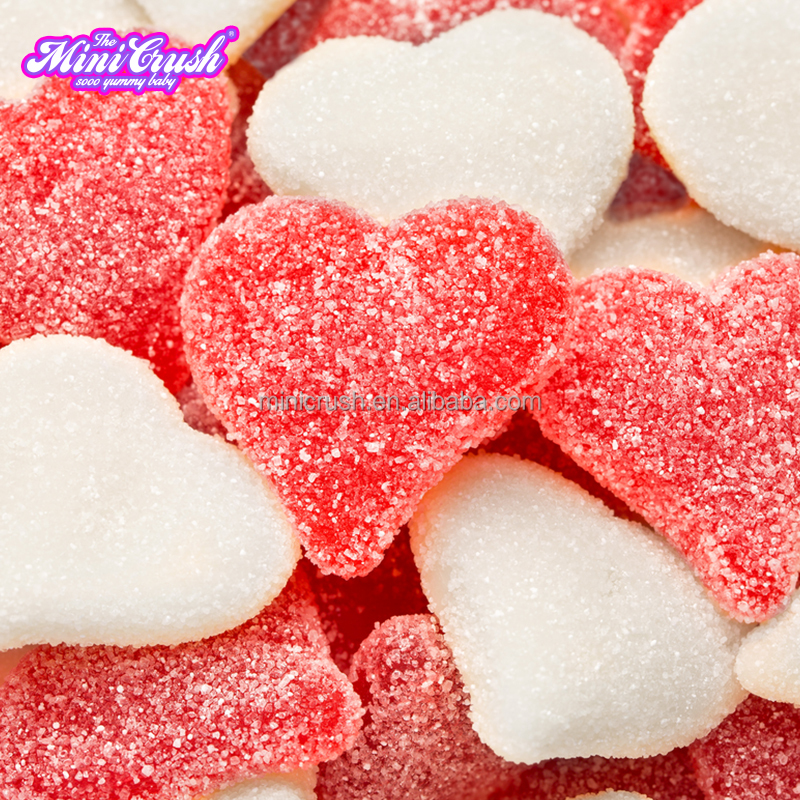
Wholesale Custom Private Label Bulk Fruity Taste Healthy Lifestyle Gummy Candy in Bag Packaging
View Details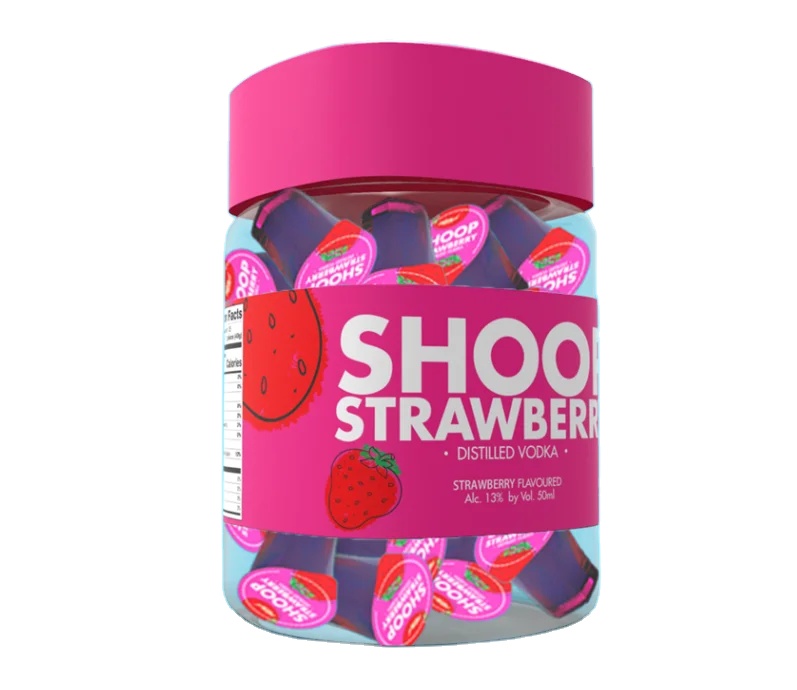
OEM Pre-made Premium Vegan Low-Fat Fruity Multi-Colored Cartoon-shaped Vodka Jello Shot Alcohol Shots
View Details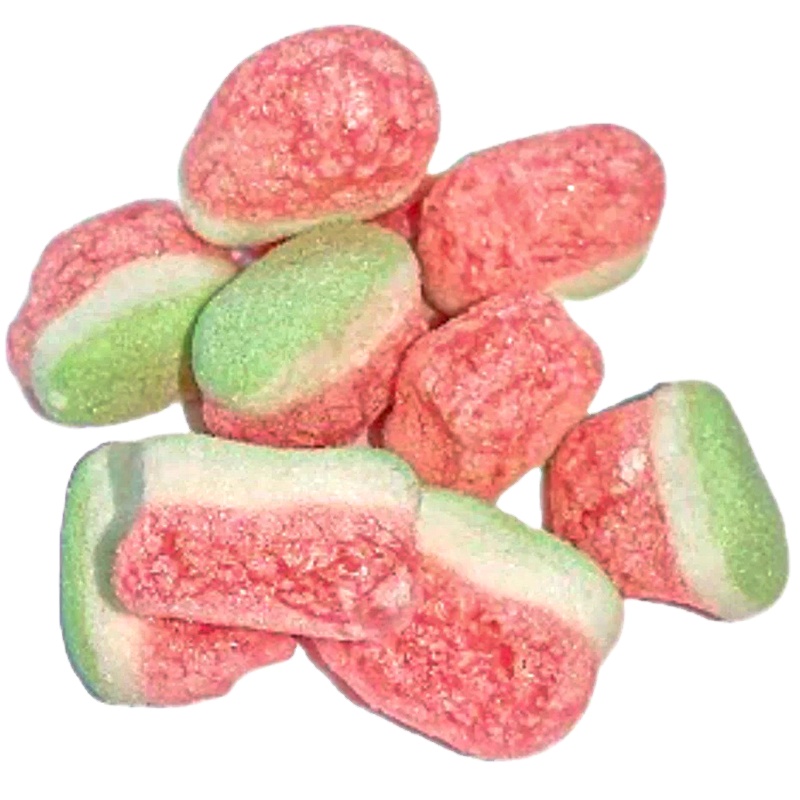
Minicrush Watermelon Freeze-dried Gummy Candy Sweet Funny Cartoon Shape 24 Packs Bag Wholesale
View Details
Wholesale Assorted Fruity Glucose Gummy Candies in Bag-Sour & Sweet Fruit Snacks
View DetailsKyoto Confectionery Sourcing Whitepaper: The Strategic Landscape for OEM/ODM Fruit Jelly
Kyoto, historically recognized as Japan’s cultural and culinary epicenter, presents a unique market ecosystem for the confectionery sector. Renowned for its exacting standards in food presentation, refined flavor profiles, and strict adherence to quality, the regional demand for premium fruit jelly cups and functional gel snacks has experienced accelerated growth. As retail networks, hospitality chains, and souvenir (Omiyage) brands across the Kansai region scale up their inventory, the need for agile, large-scale, and compliant contract manufacturing partners becomes paramount.
Establishing an efficient B2B supply chain for fruit jelly requires navigating complex food chemistry, international regulatory frameworks, and precise sensory targeting. While Kyoto brand owners excel in retail design, local market positioning, and consumer engagement, partnering with specialized overseas contract manufacturers like Nantong Alinma Food Co., Ltd. allows regional wholesalers and brand owners to access advanced hydrocolloid processing technologies, lower unit production costs, and maintain institutional-grade quality assurance.
1. Hydrocolloid Matrix Engineering & Textural Science
Fruit jelly manufacturing is fundamentally governed by hydrocolloid science. Achieving the ideal texture—ranging from a firm, brittle bite characteristic of traditional Japanese agar-agar (Kanten) to a soft, elastic, succulent chew typical of carrageenan and konjac blends—requires tight control over gelling agent concentration, pH levels, dissolved solids (Brix), and thermal processing parameters.
- Konjac (Glucomannan) Gels: Highly valued in Japan for its elastic elasticity and dietary fiber content. Demands precise viscosity control and shear management during high-speed hot-filling to maintain structural integrity without syneresis (water bleeding).
- Carrageenan & Pectin Systems: Engineered for quick flavor release and clean melt-in-mouth properties. Soluble solids are calibrated between 18°Bx and 24°Bx to balance sweetness, water activity (a_w < 0.85 for microbial stability), and authentic fruit juice flavor perception.
- Agar-Agar (Kanten) Hybrids: Preferred for premium gourmet formulations targeting traditional Kyoto palates. Maintains high thermal stability during transit in non-refrigerated supply chains across hot Kansai summer months.
2. Strategic Logistics & Port Connectivity to Kyoto Hubs
Operating a contract manufacturing pipeline for Kyoto distributors involves optimized marine logistics. Situated in Jiangsu, China—proximate to major maritime hubs like Shanghai Port—Nantong Alinma Food leverages streamlined shipping lanes directly to the Ports of Osaka and Kobe. This geographical proximity ensures transit times under 4–6 days, minimizing total order lead times and facilitating fresh inventory replenishment for seasonal retail cycles in Kyoto.
Technical Specifications & Compliance Benchmarks for Japan Import
To successfully commercialize fruit jellies in Japan, imported products must strictly satisfy the requirements set forth by the Ministry of Health, Labour and Welfare (MHLW) under the Food Sanitation Act, alongside Japanese Agricultural Standards (JAS).
| Technical Parameter | Standard Specifications | Quality Control & Compliance Method |
|---|---|---|
| Choke Hazard Safety Design | Mini cup cup mouth diameter > 45mm or non-spherical squeeze pouch format | MHLW guidelines compliance for Konjac/Hard gel mini jellies to prevent accidental ingestion. |
| Soluble Solids (Brix) | 16.0% – 25.0% Brix (customizable based on target profile) | Digital Refractometer testing at 20°C per production batch. |
| Microbiological Parameters | TPC < 100 CFU/g; Coliforms: Negative; Pathogens: Absent | In-house incubator plating & 3rd-party batch assay verification. |
| Additives & Colorants | Natural plant extracts (Anthocyanin, Spirulina, Gardenia) | Strict exclusion of non-permitted synthetic dyes under Japanese Food Additive standards. |
| Thermal Processing | Hot filling at 85°C–92°C followed by controlled tunnel pasteurization | Ensures shelf-life stability up to 18–24 months at ambient storage without chemical preservatives. |
Localized Application Scenes in Kyoto & Kansai Retail Ecosystems
Sourcing fruit jellies via OEM/ODM channels requires understanding specific localized consumer touchpoints across Kyoto. Nantong Alinma Food crafts formulations tailored to these specialized regional applications:
Scenario A: Traditional Ryokan & Luxury Hotel Welcome Amenities
Kyoto’s vast network of high-end traditional inns (Ryokan) and boutique hotels require refined welcome treats that showcase regional fruit aesthetics. Custom OEM fruit jellies formulated with natural Japanese White Peach, Kyoho Grape, and Yuzu juice offer non-messy, refreshing, single-serve snacks for arriving guests. Packaging is designed with minimalist, high-clarity film lids to showcase natural fruit pulps and clear gel transparency.
Scenario B: Kansai Convenience Store Chains & Supermarket Private Labels
In high-density urban areas like Kyoto Station, Karasuma, and Shijo, convenience stores (C-stores) demand fast-moving impulse confectionery. Products such as Peelable 3D Fruit Gummies and Interactive Gooey Slime Jellies cater directly to younger demographics and students. Contract production allows retailers to rapidly deploy private-label SKUs in eye-catching pouch or cup formats, capturing seasonal surges during cherry blossom (Sakura) and autumn leaf (Momiji) festivals.
Scenario C: Kyoto Tourism Souvenir (Omiyage) Box Sets
The souvenir market in Kyoto relies heavily on premium outer gift packaging containing individually portioned, long-shelf-life treats. Our manufacturing plant provides turnkey ODM services, including custom rigid presentation boxes, tin containers, and assortments featuring localized fruit blends that align with traditional Japanese gift-giving customs.
Scenario D: Halal-Certified Inbound Tourism Gastronomy
With Kyoto serving as a major international tourist destination, there is an escalating requirement for Halal-certified snacks. Nantong Alinma Food provides fully Halal-compliant fruit jelly production lines—utilizing plant-based gelling agents (pectin, carrageenan, sodium alginate) and halal-certified bovine gelatin options—allowing Kyoto retailers to serve international Muslim travelers safely.
Localized Market Development & Consumer Trends in Kyoto
Strategic purchasing decisions must align with evolving consumer preferences within the Japanese market. Our ongoing market intelligence identifies four dominant trends shaping fruit jelly procurement in Kansai:
- Functional "Beauty-From-Within" Confectionery: Japanese consumers increasingly expect nutritional value from indulgence foods. Integrating active nutricosmetic ingredients—such as low-molecular hydrolysed collagen peptides (1,000mg–2,500mg per serving), biotin, hyaluronic acid, and vitamin C—transforms traditional fruit jellies into high-margin functional wellness snacks.
- Clean-Label & Sugar-Reduced Formulations: Driven by health awareness, there is a strong movement toward zero-sugar or low-sugar fruit jellies utilizing natural polyols (Erythritol) and Stevia. Formulations must maintain a rich mouthfeel without chemical aftertastes.
- Sensory & Interactive Candy Experiences: The viral popularity of peelable gummies, dual-texture liquid-core marshmallows, and freeze-dried crunchy fruit gummies on platforms like TikTok and Instagram has transformed retail expectations. Novelty textures drive high organic social media reach and repeat purchases among youth demographics.
- Sustainable Mono-Material Packaging: To align with Japan's rigorous plastic waste reduction targets, OEM clients are prioritizing recyclable film structures, reduced packaging weight, and soy-ink printing for reduced environmental impact.
Factory Infrastructure & Enterprise Strengths: Nantong Alinma Food Co., Ltd.
When selecting an overseas OEM/ODM manufacturer for Kyoto distribution, enterprise reliability, audited quality controls, and verifiable factory capacity are non-negotiable. Nantong Alinma Food Co., Ltd. stands as a premier confectionery contract manufacturer ranked among the Top 10 leading manufacturers in Confectionery on Alibaba.com.
Our operational capabilities are backed by extensive third-party audits and global certifications:
- Intertek On-Site Verified: Our manufacturing plant, automated cleanrooms, and QA testing labs have been independently inspected and verified on-site by Intertek.
- International Certification Standards: Operation under ISO22000, HACCP, and HALAL quality management systems ensures full compliance with global food safety regulations.
- Automated Deposition Lines: Equipped with high-precision servo-driven jelly deposition machinery capable of multi-color co-extrusion, center-filling, and 3D custom shape molding.
- Turnkey Private Label Support: From custom mold design (3D CAD prototyping) and flavor profiling to bilingual graphic design and export documentation, we provide full end-to-end OEM/ODM support.
Kyoto B2B Buyer FAQ: Procurement, Import Laws, & Customization
Key technical answers for procurement directors, importers, and brand owners seeking to source custom fruit jelly lines for the Japanese market.
What specific Japanese MHLW import documentation is required for custom fruit jellies?
Importing fruit jelly into Japan requires filing a "Notification Form for Importation of Foods" with the Quarantine Station of the Ministry of Health, Labour and Welfare (MHLW). Nantong Alinma Food provides complete analytical documentation, including a full Ingredient Breakdown Sheet, Additive Assessment Reports (verifying non-use of unapproved synthetic dyes or preservatives), Process Flow Charts, and Batch Certificate of Analysis (COA) for heavy metals and microbiology.
How do you comply with Japanese choke-hazard safety regulations for mini fruit jelly cups?
Japan’s MHLW enforces strict guidelines on mini cup jellies containing elastic gelling agents like konjac. We engineer specific cup geometries that exceed minimum safety diameter requirements or utilize soft-burst carrageenan formulas that disintegrate easily upon chewing. Alternatively, we supply modern squeeze-pouch formats that eliminate choke risks entirely.
What are the Minimum Order Quantities (MOQs) and lead times for Kyoto shipments?
MOQs vary depending on packaging customization. Standard jelly cups and jello shots start at approximately 500 cartons. Custom-printed foil films or proprietary mold shapes typically require minimum runs of 12,000 retail units or 1 x 20ft container. Production lead times average 15–20 days post-sample approval, with direct shipping to Kobe or Osaka Port taking 4–6 days.
Can formulations be modified for low-sugar or functional health claims?
Yes. Our R&D food technicians specialize in functional nutrition. We can reformulate fruit jellies to replace sucrose with Erythritol, Stevia, or Maltitol for sugar-free claims. We can also fortify products with marine collagen, biotin, vitamin C, dietary fiber (inulin), or real fruit purees according to your exact target market requirements.
How do you guarantee product stability during ambient transportation in summer?
We perform rigorous thermal stress testing in climate-controlled testing chambers (40°C at 75% RH for 30 days) to simulate transit and summer retail conditions. By optimizing the ratio of carrageenan, potassium chloride, and sodium citrate, we achieve a melting point exceeding 65°C, ensuring the jelly retains structural gel integrity without syneresis or softening during non-refrigerated freight.
Is trade assurance and secure payment available for Japanese importers?
Yes. Orders can be executed through Alibaba Trade Assurance, providing buyers with end-to-end payment protection, production quality monitoring, and guaranteed on-time shipping safeguards. Direct T/T and LC payment terms are also available for established wholesale partners.
Accelerate Your Confectionery Pipeline in Kyoto
Partner with an Intertek-verified contract manufacturer. Request comprehensive product catalogs, custom formulation consultation, and free factory samples today.
Get Catalog