

1. B2B Executive Market Analysis: Mini Coconut Jelly Demand in Afghanistan
The confectionery market across Afghanistan is experiencing a structural evolution. Importers, master distributors, and wholesale traders in major economic hubs—including Kabul, Herat, Kandahar, Mazar-i-Sharif, and Jalalabad—are increasingly seeking shelf-stable, high-value impulse snacks. Mini Coconut Jelly (featuring authentic Nata de Coco cubes suspended in tropical fruit gel) has emerged as one of the fastest-growing confectionery segments across Central and South Asia. As an established direct manufacturer, Nantong Alinma Food Co., Ltd. specializes in formulating, packaging, and exporting premium Halal mini jelly products engineered specifically to withstand the physical and climatic demands of the Afghan trade corridor.
Understanding Afghan consumer intent requires evaluating local dietary customs, income levels, and logistics realities. Confectionery products in Afghanistan are not merely quick treats; they are central to retail impulse buying, school canteen trade, family hospitality, and ceremonial gift-giving during cultural milestones such as Eid al-Fitr, Eid al-Adha, and traditional wedding gatherings (Shirini). Mini coconut jelly cups provide a unique sensory combination: the satisfying chewiness of fermented coconut water cellulose (Nata de Coco) coupled with refreshing fruit flavors like mango, lychee, strawberry, green apple, and grape. To successfully capture market share in Afghanistan, B2B buyers must partner with an export-oriented factory that delivers uncompromised Halal compliance, competitive unit pricing, high thermal stability, and robust protective packaging.
2. Technical Product Engineering & Halal Compliance Metrics
For B2B importers operating in the Middle East and Central Asian markets, product specification consistency is paramount. At Nantong Alinma Food Co., Ltd., our production lines leverage advanced hydrocolloid chemistry to optimize gel strength, syneresis control, and mouthfeel while strictly adhering to Islamic dietary laws.
Pork Gelatin-Free Hydrocolloid Matrix
Our mini coconut jelly recipes utilize 100% plant-derived gelling systems combining high-grade Carrageenan (extracted from red seaweed) and Konjac gum. We strictly eliminate animal-derived gelatins, ensuring absolute compliance with global Halal standards and providing zero risk of cross-contamination.
Premium Nata de Coco Fiber Integration
We source premium coconut water fermented with Acetobacter xylinum to form dense, uniform cellulose cubes (typically 5x5x5mm to 8x8x8mm). This provides a crisp, translucent bite that enhances consumer perception of real fruit quality and texture contrast.
Thermal Stability & Syneresis Prevention
Afghanistan's continental climate experiences severe summer heat, with ambient temperatures reaching 40°C to 45°C in southern lowlands. Our proprietary thermal pasteurization and buffer salt balancing prevent water separation (syneresis) and gel softening during transit and open-air retail exposure.
Factory Technical Specifications for Export Mini Coconut Jelly
| Technical Parameter | Standard Factory Specification | B2B Importer Advantage |
|---|---|---|
| Gel Base | Carrageenan + Konjac Hydrocolloid Blend | 100% Halal, vegetarian, high melt resistance up to 65°C |
| Suspended Solid | Natural Nata de Coco Cubes (12% - 18% weight ratio) | Authentic chewiness, premium sensory rating |
| Brix Level (Sugar Content) | 14.0% – 18.0% (Customizable low-sugar options available) | Optimal sweetness balanced for South Asian flavor preferences |
| pH Range | 3.8 – 4.2 (Acidity adjusted via Citric & Malic Acid) | Natural microbiological preservation, crisp flavor release |
| Cup Formats & Weights | 15g mini pentagon/round cups; 32g scoopable wide-mouth cups | Versatile price positioning (1-Afghani to 10-Afghani retail points) |
| Safety Design | Wide-mouth lid film, anti-choking warning graphics | Complies with global child safety & choking prevention standards |
| Shelf Life | 24 Months under ambient room temperature storage | Extends retail window across long inland transport routes |
3. Localized Application Scenarios across Afghan Retail & Wholesale Channels
Success in exporting food products to Afghanistan depends on aligning product formats with local consumption habits. Mini coconut jellies serve multiple distinct market channels across the country:
1. Urban Convenience & Neighborhood "Dukan" Retail
In high-density residential zones of Kabul (such as Shar-e Naw and Dashte Barchi) and Herat, small retail kiosks (Dukans) are the primary source of impulse purchases. Individual 15g mini jelly cups packed in eye-catching 1kg, 2.5kg, or 5kg transparent display tubs allow store owners to sell per piece or in small multi-packs, offering an affordable daily treat for children.
2. Primary & Secondary School Canteen Supplies
School canteens and street vendors adjacent to educational institutions represent massive volume turnover. Low-sugar, fruit-flavored mini coconut jellies priced competitively serve as popular alternatives to high-fat snacks, supplying quick energy and hydration during mid-day breaks in warm weather.
3. Festive Gifting: Ramadan Iftar & Eid Mubarak Packs
During Ramadan, breaking the fast (Iftar) calls for hydrating, easily digestible sweets. Coconut jelly cups—rich in water content and fruit notes—are increasingly included in family gift trays and sweet assortments alongside dried fruits, nuts, and traditional Afghan candies during Eid festivities.
4. Tea Houses & Traditional Hospitality Services
Afghanistan has a deep-rooted green tea (Chai Sabz) culture. In tea houses and home guest rooms (Mehman Khana), host traditions require offering small sweet treats alongside tea. Novelty coconut jelly cups provide a modern, colorful touch to traditional hospitality spreads.
4. Key Market Trends & Growth Drivers in the Afghan Confectionery Sector
Analyzing macroeconomic shifts and consumer psychology reveals several key trends driving the expansion of imported jelly confectionery in Afghanistan:
Shift Toward Shelf-Stable Hydrating Snacks
Due to intermittent electrical infrastructure and limited cold-chain distribution outside major urban centers, dairy or chocolate-based confectioneries suffer high spoilage and melting risks. Ambient shelf-stable hydrocolloid jellies require no refrigeration, making them low-risk inventory for rural and provincial wholesalers.
Demand for Visual & Tactile Novelty
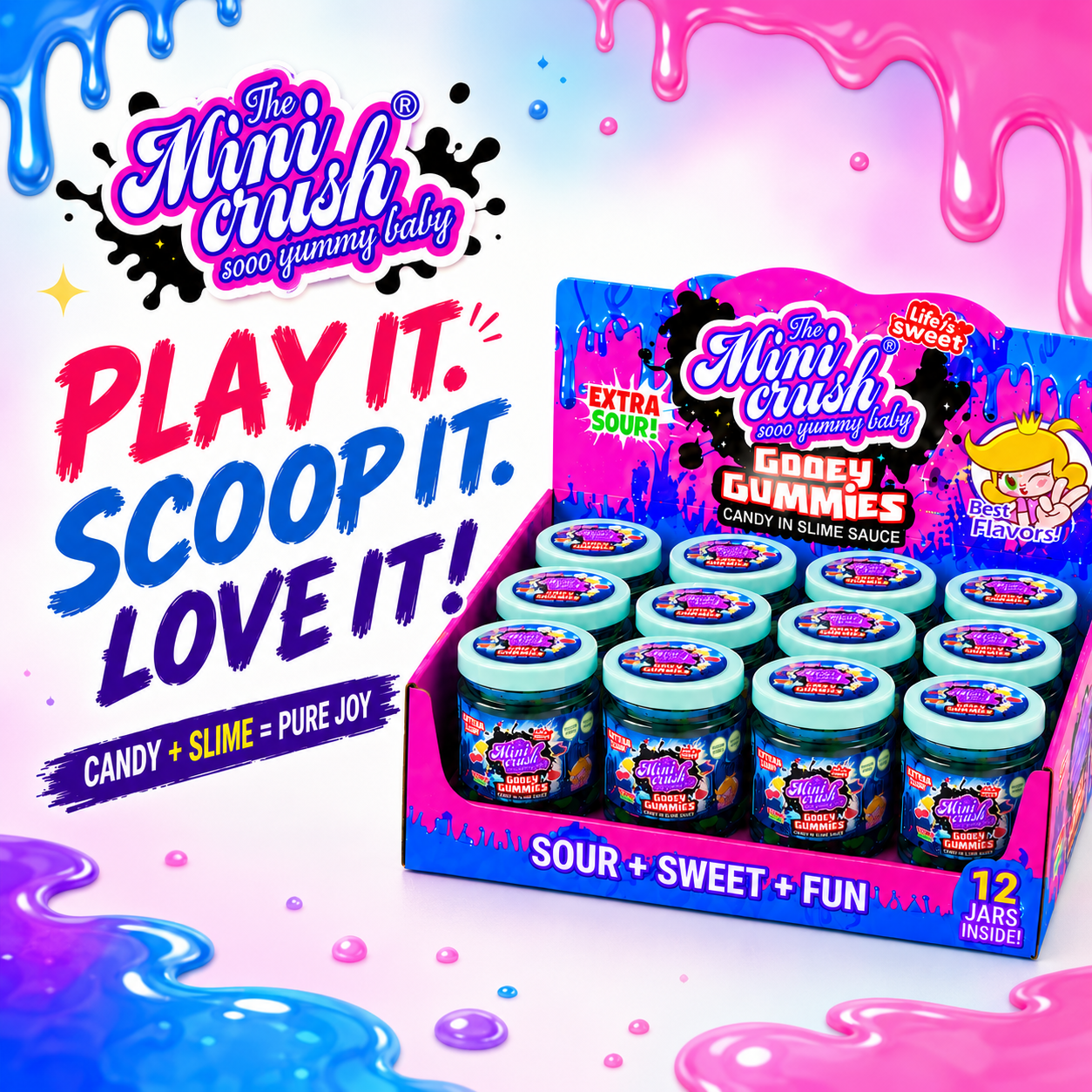
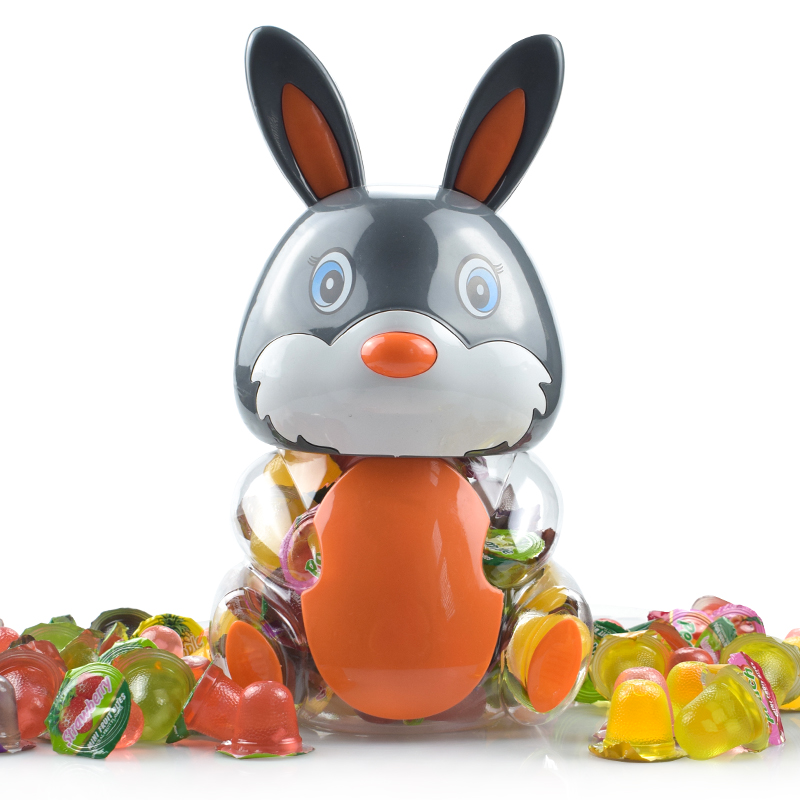
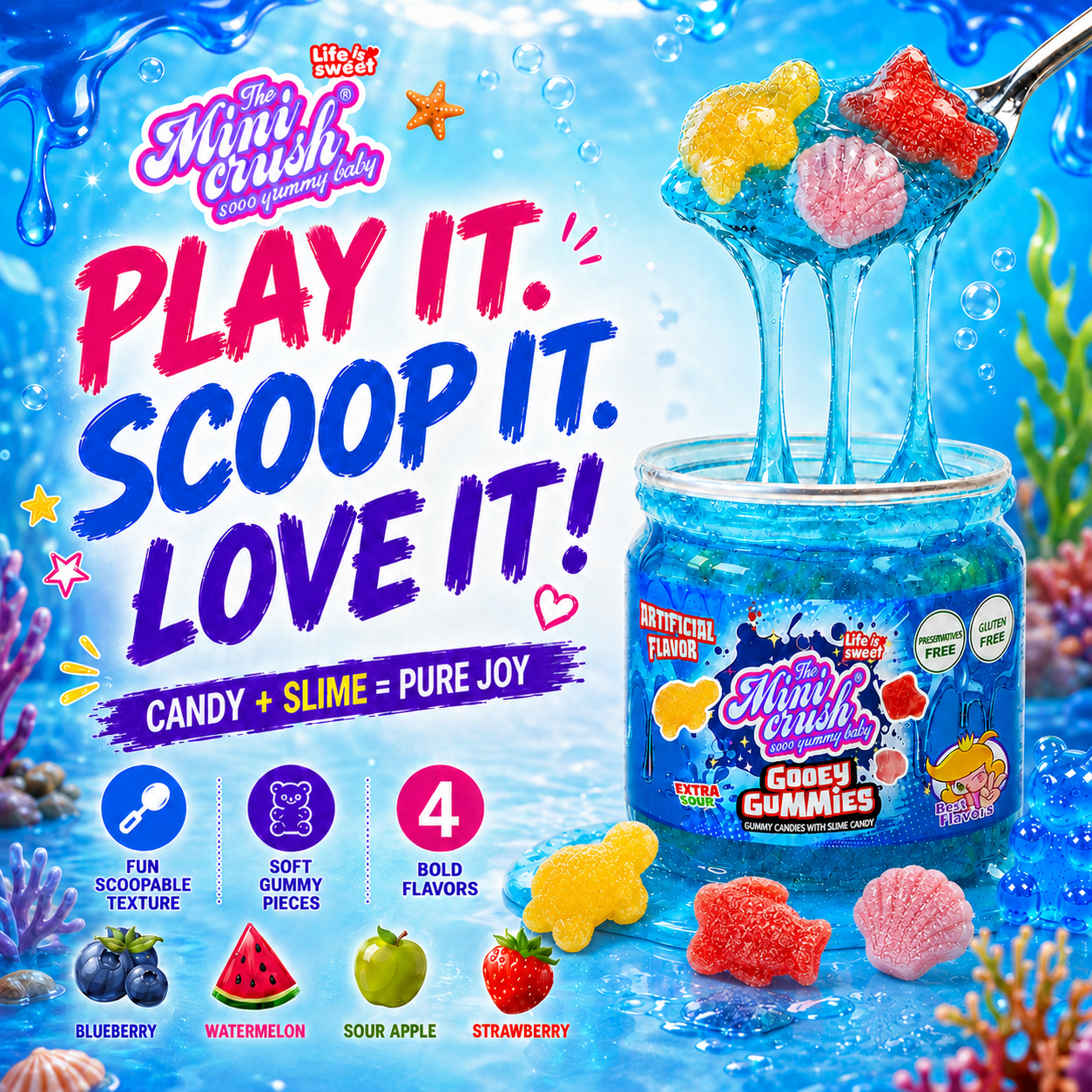
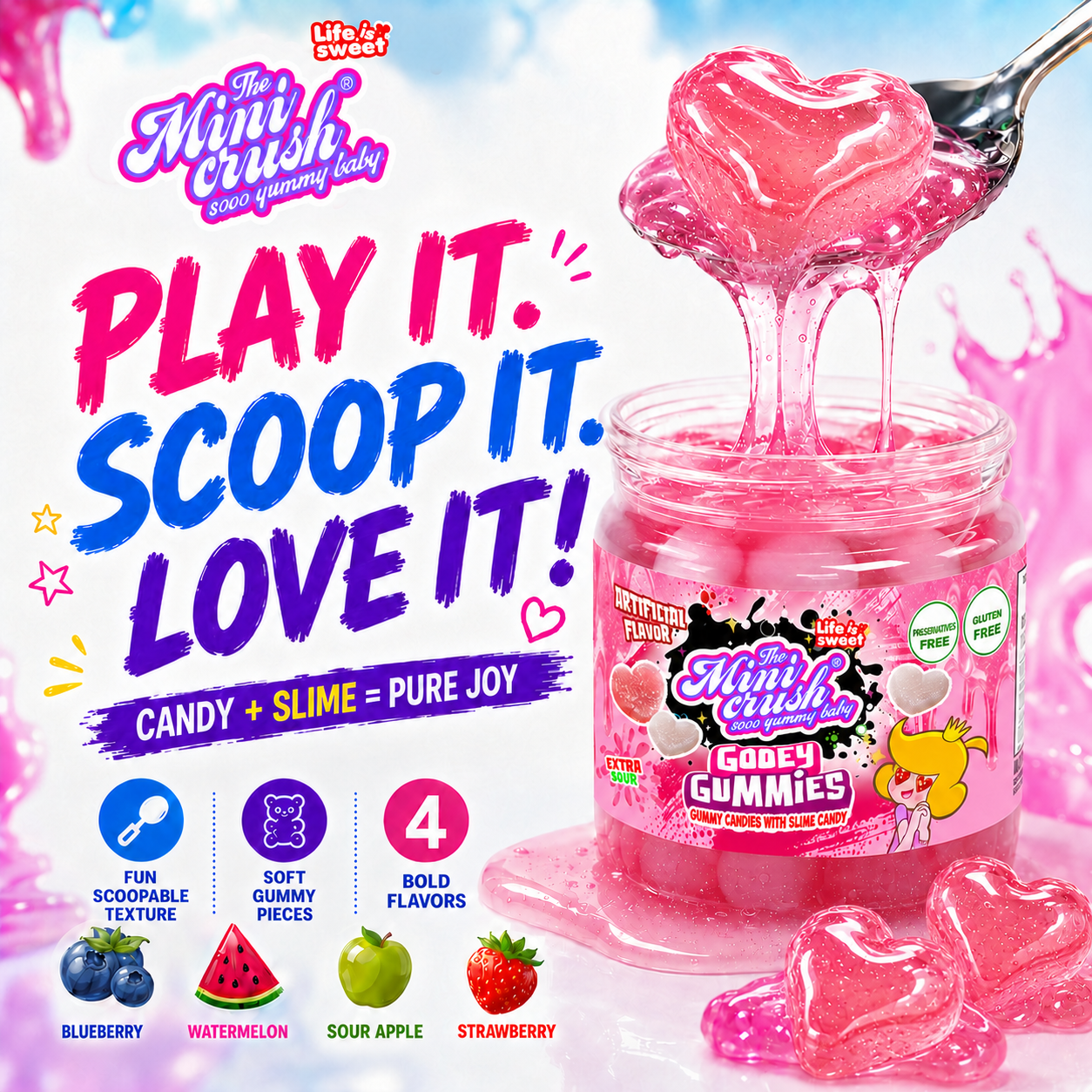
Younger demographics in Afghanistan are drawn to vibrant colors, interactive packaging (such as toy-shaped jars, animal shapes, and squeeze pouches), and double-layer peelable gummies. Combining novelty packaging with real Nata de Coco bite creates high repeat-purchase loyalty.
Multilingual Packaging Compliance
Modern Afghan importers prefer packaging featuring trilingual or bilingual text (Dari / Pashto / English) alongside mandatory Halal logos, manufacturing dates, net weight, and clear dietary declarations. Nantong Alinma Food Co., Ltd. provides full OEM packaging customization to satisfy local trade regulations.
5. B2B Import & Overland Logistics Guide for Afghanistan Trade Routes
Importing goods into landlocked Afghanistan requires experienced supply chain coordination. Nantong Alinma Food Co., Ltd. has developed robust export protocols to manage sea-to-land transit effectively.
Primary Shipping Corridors & Port Transit Options
Most ocean freight originating from our factory near Shanghai/Nantong port reaches Afghanistan via two primary overland transit gateways:
- Karachi Port Transit Corridor (Pakistan to Afghanistan): Cargo arrives at Karachi Port (KICT/PICT), transitions under Afghan Transit Trade (ATT) protocols, and proceeds via truck to border crossings at Torkham (serving Nangarhar, Kabul, and eastern regions) or Chaman/Spin Boldak (serving Kandahar and southern provinces).
- Bandar Abbas Transit Corridor (Iran to Afghanistan): Cargo routes through Bandar Abbas, traveling overland to the Islam Qala border post, offering direct entry into Herat and western regional hubs.
Protective Packaging Standards for Long-Distance Transit
To withstand rough road conditions across mountain passes and desert highways, our factory applies export-grade packaging protections:
- Heavy-Duty Corrugated Master Cartons: 5-ply double-wall outer boxes with high bursting strength ratings to prevent carton crushing during multi-tier stacking.
- Moisture-Resistant Inner Polybags: Sealed PE liner bags inside master cartons to guard against dust and humidity fluctuations during transit.
- Palletization & Shrink Wrapping: Full wooden or plastic palletizing wrapped in high-micron stretch film with edge protectors to guarantee stability during container loading and border cross-docking.
6. Enterprise Superiority: Partnering with Nantong Alinma Food Co., Ltd.
Selecting the right factory partner determines your long-term market competitiveness. Nantong Alinma Food Co., Ltd. is a verified custom confectionery manufacturer located in Jiangsu, China, recognized among top-tier exporters in global B2B trade.
Intertek On-Site Verified Facility
Our 16,900 square meter production complex and operational capabilities are fully inspected and certified on-site by Intertek, confirming robust QA/QC controls, modern machinery, and financial transparency.
194 Cooperating Production Network
In addition to our core manufacturing lines for gummies and fruit jellies, our network of 194 vetted partner factories allows buyers to consolidate multi-category snack shipments into a single container order.
Comprehensive Private Label (OEM/ODM) Support
We provide sample-based customization, custom mold engineering, private label bag/tub printing, and formula tweaking to meet target pricing and localized dietary compliance across the Middle East and Central Asia.
7. Frequently Asked Questions (FAQ) for Afghan Importers & Wholesalers
Yes. All of our gummies, mini fruit jelly cups, Nata de Coco treats, and marshmallow items are manufactured under strict Halal compliance. We use 100% plant-derived gelling agents (Carrageenan and Konjac gum) and zero pork gelatins or alcohol-based carriers. Official Halal certificates are provided with every shipping documentation pack.
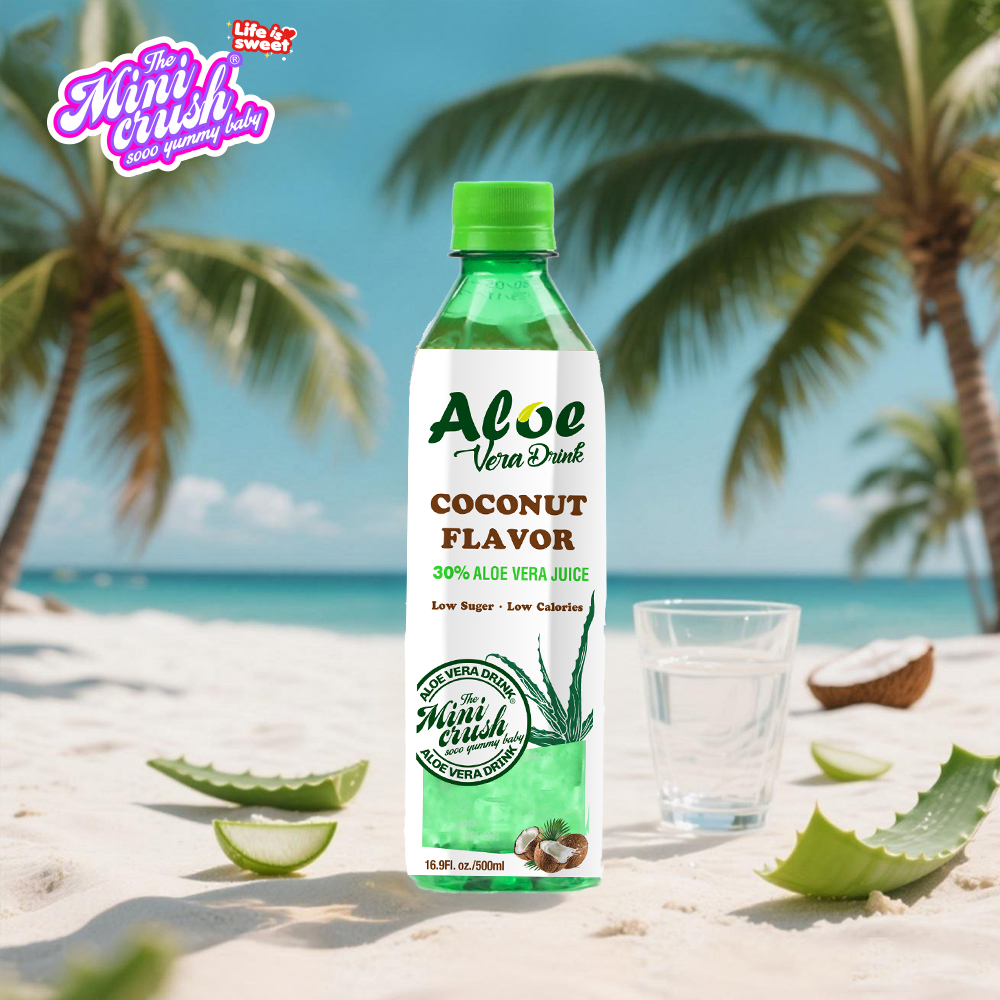
For standard factory packaging, our standard MOQ starts from 500 master cartons per SKU. For custom private-label artwork, printed lid films, or custom-molded novelty jars, MOQs range between 500 to 2,000 cartons depending on the container loading strategy. We strongly encourage mixed-SKU container orders (e.g., combining mini jelly cups, aloe vera drinks, and gummies) to optimize container space and lower sea freight per unit.
Our Carrageenan-Konjac hydrocolloid matrix features a melting point exceeding 65°C, ensuring that the jelly retains its structural integrity, elasticity, and mouthfeel even when transported across hot desert regions where ambient temperatures exceed 40°C.
Yes. Our in-house design team collaborates directly with importers to apply localized typography in Dari, Pashto, Arabic, or English. We ensure all nutritional information, ingredients, Halal logos, batch numbers, and production dates conform to local trade and regulatory standards.
We accept T/T (Telegraphic Transfer) and LC (Letter of Credit) payment arrangements. Furthermore, orders can be secured through Alibaba.com Trade Assurance, providing end-to-end payment protection, shipment tracking, and quality guarantee safeguards.
Standard production lead time is 15 to 25 days following artwork approval and deposit confirmation. Ocean transit from Shanghai/Nantong port to Karachi or Bandar Abbas typically takes 18 to 25 days, followed by 5 to 10 days for customs clearance and overland trucking to Kabul, Herat, or Kandahar.
Absolutely. We provide free sample packs of our standard mini coconut jellies, gummies, and beverage lines for taste testing, texture evaluation, and retail feedback. Importers only cover international express courier charges, which are fully credited back upon contract signing.
Expand Your Confectionery Market Share in Afghanistan Today
Partner with an Intertek-verified factory. Get direct manufacturer pricing, custom Halal formulations, and guaranteed supply chain stability for your distribution network.
Contact Us