Strategic Confectionery Landscape in Tashkent & Uzbekistan
Uzbekistan represents one of the most dynamic, rapidly expanding fast-moving consumer goods (FMCG) markets across Central Asia. With a population exceeding 36 million—over 60% of whom are under the age of 30—the demand for packaged, high-quality, and modern confectionery has reached unprecedented levels. Tashkent, serving as the commercial, economic, and logistical nexus of Uzbekistan, dictates the retail standards and wholesale distribution channels for the entire nation and surrounding CIS neighboring markets such as Kazakhstan, Kyrgyzstan, and Tajikistan.
In recent years, the retail infrastructure of Tashkent has undergone a profound transformation. Traditional open-air retail in historic commercial hubs like Chorsu Bazaar and Kuyluk Wholesale Market is increasingly supplemented and integrated with modern organized retail chains, including Korzinka, Makro, Havas, and Baraka Market. This structural shift toward organized retail demands that international confectionery manufacturers deliver products meeting stringent standards: consistent shelf life, tamper-evident packaging, barcode integration, clean-label ingredient transparency, and strict Halal compliance.
For B2B importers, supermarket category buyers, and wholesale distributors operating in Tashkent, securing a direct manufacturing partnership with an established China-based confectionery factory offers a decisive competitive advantage. By cutting out intermediary trading agents, Tashkent importers unlock higher gross margins, tailored private-label (OEM/ODM) capabilities, and direct engineering control over product formulations tailored specifically for Uzbekistan's unique climatic and cultural requirements.
Thermal Resilience & Hydrocolloid Engineering for Overland Transit
One of the primary technical challenges in exporting jelly candy, gummy bears, and fruit pudding cups to Tashkent lies in the environmental conditions encountered along the trans-Eurasian land transport corridor. Logistics routes originating from Jiangsu, China, pass through the dry, continentally extreme regions of Xinjiang (Kashgar/Khorgos) before entering Uzbekistan via Kazakhstan or Kyrgyzstan. During summer months (June through August), ambient container temperatures across Central Asian transit routes can exceed 42°C (107.6°F).
Standard low-cost jelly candies manufactured with unbuffered gelatin possess a low melting point (typically 32°C to 35°C), leading to severe product degradation, syneresis (water separation), sticking, and deformation during transit. To address this critical vulnerability, Nantong Alinma Food Co., Ltd. employs advanced hydrocolloid matrix engineering specifically designed for continental export routes:
- Pectin-Carrageenan Synergistic Matrix: By blending high-methoxyl citrus pectin with refined Kappa-carrageenan extracted from red seaweeds, our food technology R&D team elevates the thermal deformation threshold of our jelly cups to 48°C. This ensures that the jelly maintains its structural elasticity, brilliant clarity, and clean bite even without refrigerated reefer containers.
- Controlled Water Activity ($a_w$ Management): Through precise brix regulation (maintaining soluble solids between 68% and 72%) and moisture equilibrium monitoring, we reduce free water within the sugar-gel matrix. This prevents bacterial growth and inhibits sugar recrystallization during temperature fluctuations encountered in transshipment hubs.
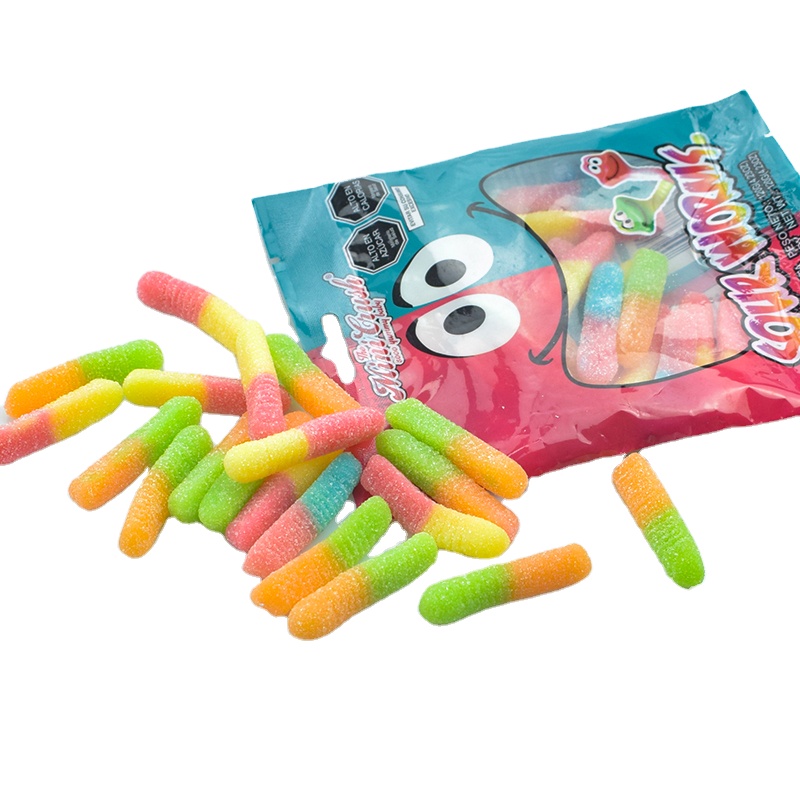
- Acidulant Encapsulation Technology: For sour gummy strips and liquid slime candies, citric and malic acids are encapsulated in hydrogenated vegetable fats. This prevents the acid from drawing moisture from the environment or breaking down the gel structure over extended 24-month shelf life periods.
| Confectionery Matrix |
Gelation Agent |
Melting Point Threshold |
Shelf-Life Stability |
Recommended Logistics Route |
| High-Resilience Jelly Cups |
Refined Carrageenan + Konjac Glucomannan |
48°C – 52°C |
24 Months |
Standard Dry Container (Rail/Truck) |
| 3D Peelable Fruit Gummies |
High-Bloom Bovine Gelatin + Pectin |
38°C – 42°C |
18 Months |
Insulated Dry Van / Vent-Control Container |
| Sour Belts & Extruded Strips |
Wheat Flour + Starches + Gelatin |
45°C – 50°C |
18 Months |
Standard Railway Wagon / Overland TIR Truck |
| Interactive Liquid Slime |
Xanthan Gum + Sodium Alginate |
Freeze-Thaw Stable (-10°C to 45°C) |
24 Months |
Standard Overland Transit |
Localized B2B Application Scenarios in Tashkent
To maximize sales velocity in the Uzbek market, confectionery products must align with localized consumption habits, cultural traditions, and retail display formats. As an experienced OEM/ODM manufacturing partner, Nantong Alinma Food supplies products tailored for four key commercial channels in Tashkent:
1. Modern Supermarket Chains & Convenience Stores (Korzinka, Makro, Havas)
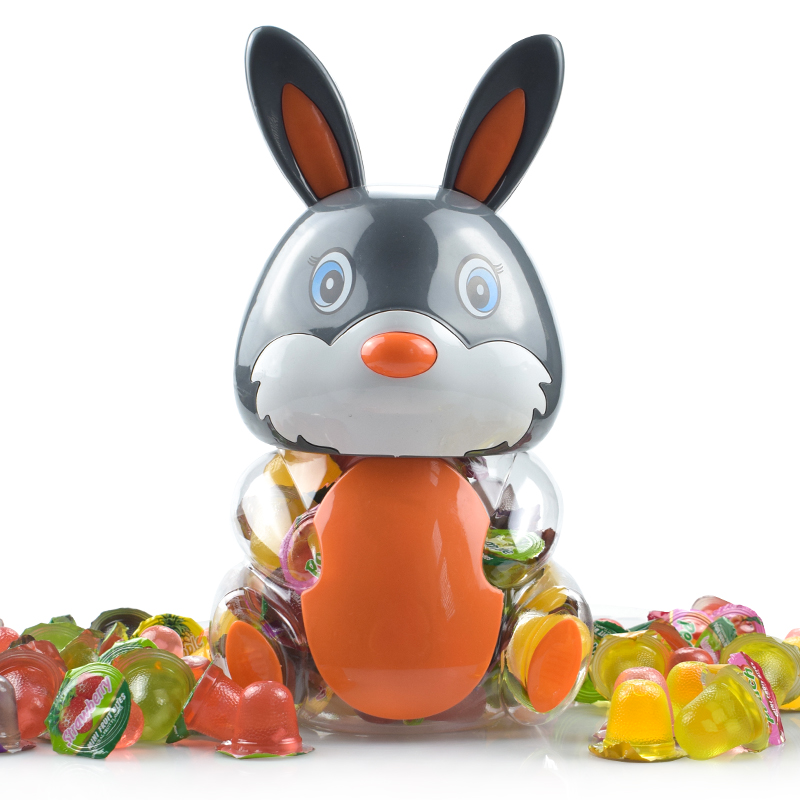
Modern retail buyers in Tashkent prioritize branded packaging with vibrant visual appeal, standardized EAN-13 barcodes, and shelf-ready display boxes (SRP). Our 3D Peelable Fruit Gummies and Low-Sugar Cartoon Jelly Jars are optimized for impulse display zones near cash registers and hanging peg-boards in dedicated snack aisles. Small pouch formats (40g to 100g) with high-clarity window films allow Uzbek shoppers to instantly verify the fun shapes and colors inside.
2. Traditional Wholesale Bazaars & Regional Trade Hubs (Chorsu, Kuyluk, Abu Sahiy)
Wholesale traders catering to regional buyers from Samarkand, Bukhara, Fergana, and Namangan require bulk volume packaging offering maximum cost-per-kilogram efficiency. We supply master cartons containing 10kg to 15kg of individually wrapped mini jelly cups or loose gummy candies. The individual foil-lidded seals prevent dust contamination and ambient moisture ingress in open-air market stalls.
3. Educational Channel & School Canteen Kiosks
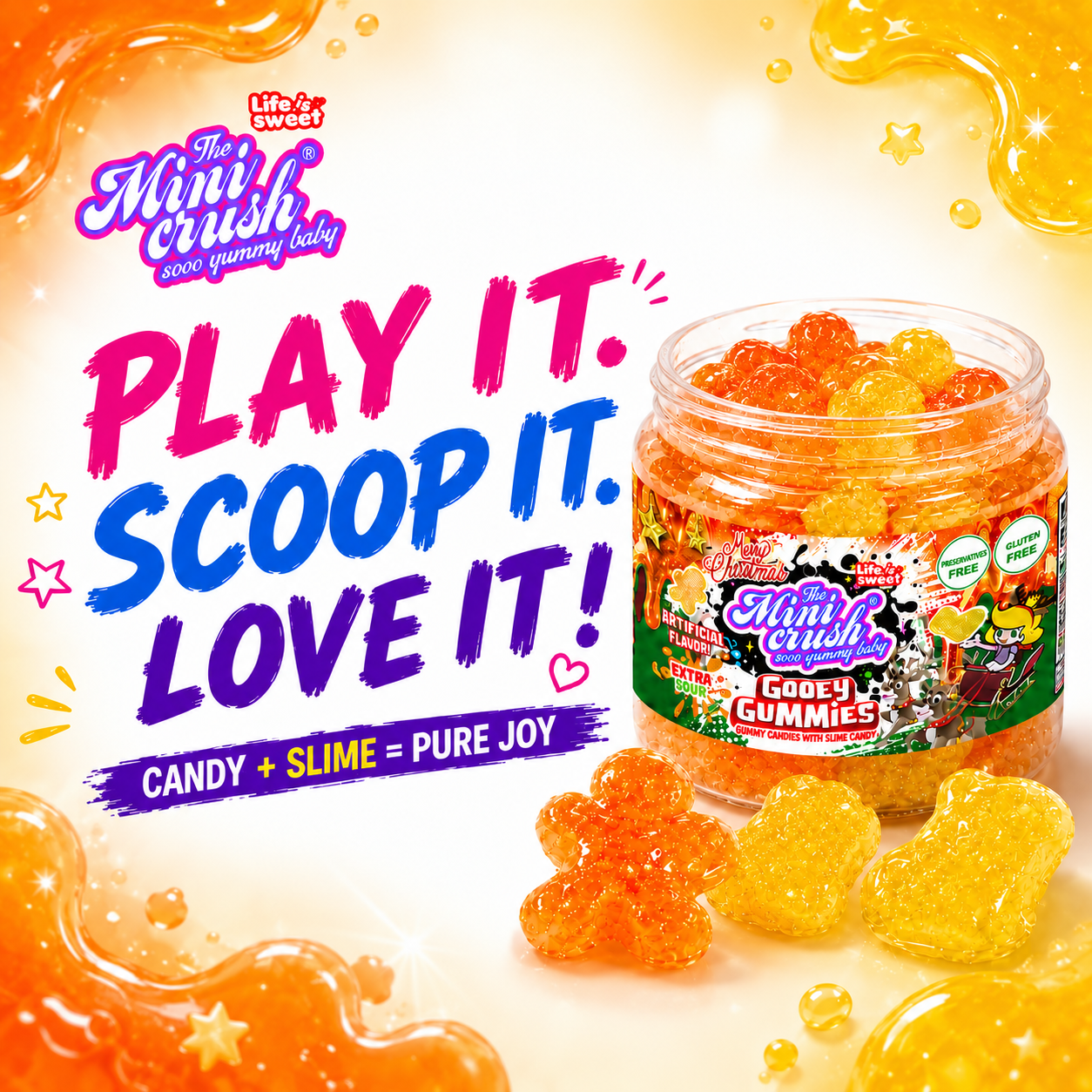
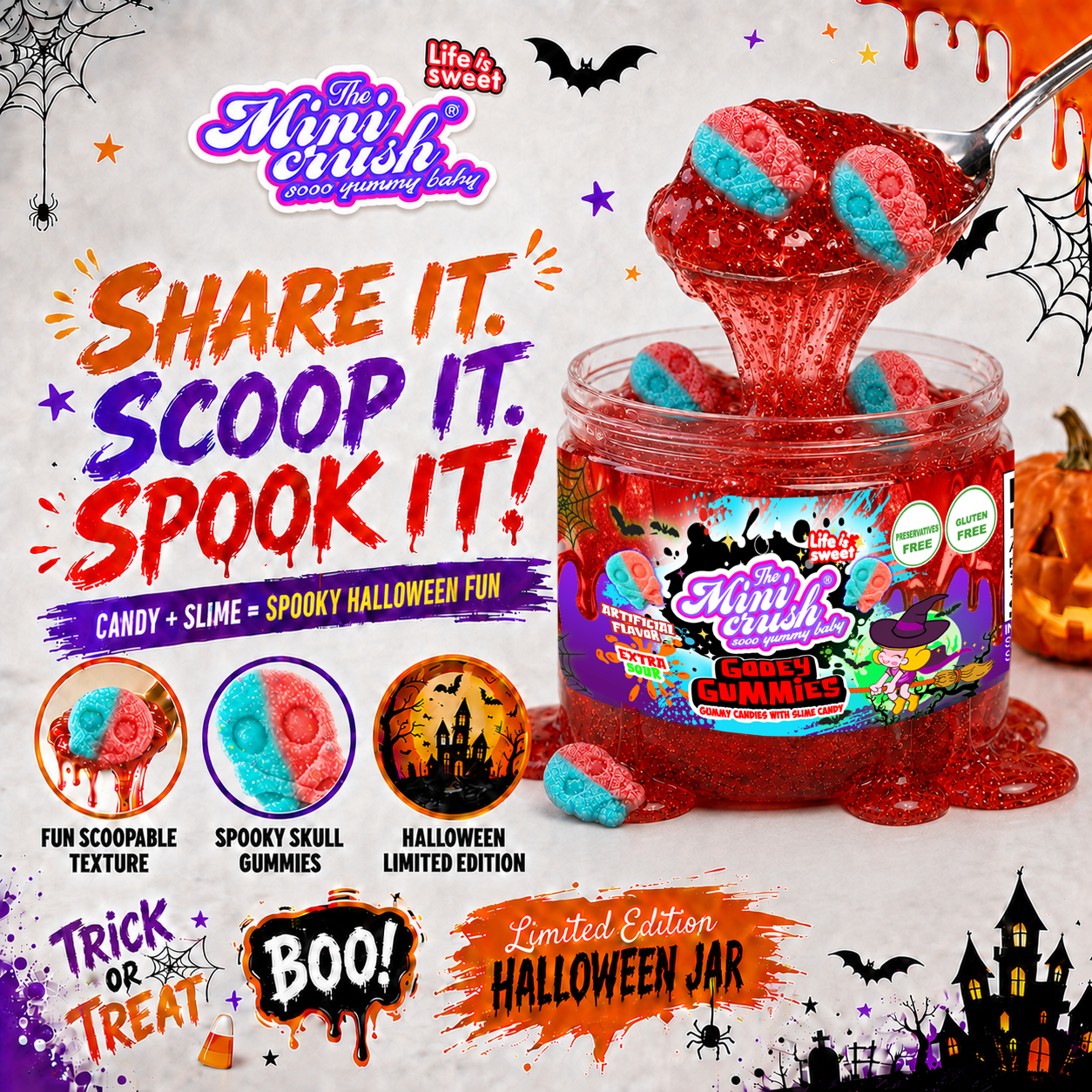
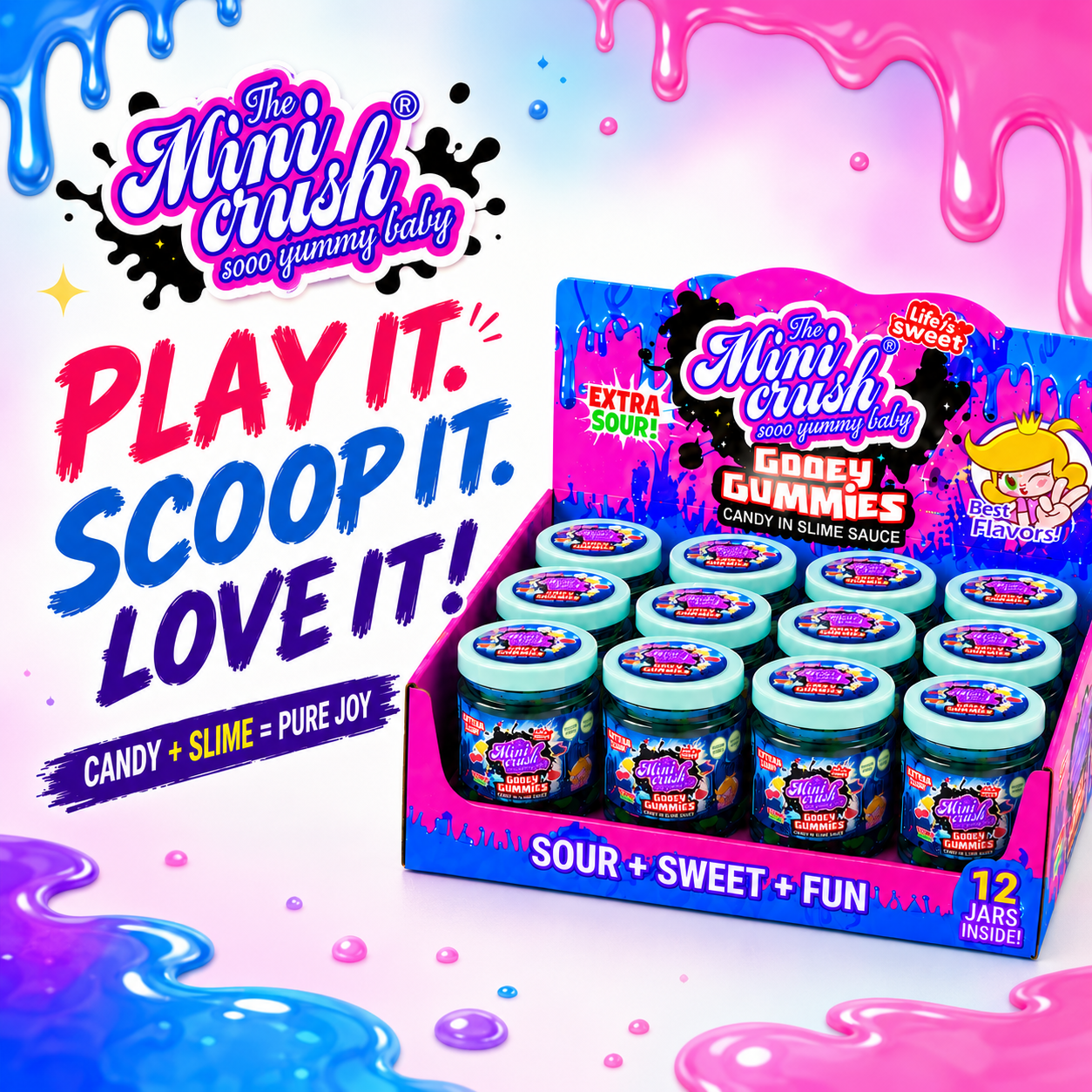
Targeting young school-aged consumers across Tashkent's urban districts, interactive and novelty candies—such as our Edible Liquid Slime and Football Cup Pudding Jellies—achieve rapid sell-through rates. These products double as collectible toys or interactive sharing treats, offering high turnover for small kiosk operators located near educational institutions.
4. Festive Celebrations, Weddings, and Cultural Holidays (Navruz, Eid al-Fitr, Eid al-Adha)
Hospitality is a cornerstone of Uzbek culture. Family gatherings, wedding banquets, and national holidays like Navruz feature lavish tea tables (chaikhana settings) laden with nuts, dried fruits, and vibrant sweets. Our premium gift-packaged jelly jars and decorative fruit-shaped candies are heavily procured by local distributors during pre-holiday seasonal spikes to fill festive gift baskets and tea-table platters.
Uzbekistan Halal Compliance & Regulatory Import Framework
Importing food products into Uzbekistan requires strict compliance with national safety legislation, sanitary-epidemiological standards (SanPiN), and religious requirements. For jelly and gummy confectionery, the single most critical factor for market acceptance is verified Halal Certification.
As a predominant Muslim-majority nation, consumers in Tashkent meticulously inspect packaging for Halal markings. Nantong Alinma Food Co., Ltd. strictly maintains Halal production protocols verified by recognized international Islamic certification bodies (including ISO/IEC 17065 accredited certifiers aligned with JAKIM and GAC standards):
- 100% Halal Raw Materials: All gelatin utilized in our gummy production is derived strictly from 100% Halal-slaughtered bovine sources, certified free from porcine DNA or non-compliant animal derivatives. Alternatively, we offer 100% plant-based (pectin, carrageenan, agar-agar) vegan formulas.
- Dedicated Cleanroom Processing: Our manufacturing facilities in Nantong, Jiangsu feature fully automated, enclosed production lines where cross-contamination with non-Halal ingredients or unapproved processing aids is completely eliminated.
- Tri-Lingual Packaging Customization: In compliance with Uzbekistan's Law "On the Official Language", we provide complete OEM design support to print mandatory product information in Uzbek (Cyrillic or Latin script), Russian, and English. This includes full ingredient listings, nutritional tables per 100g, manufacturing/expiry dates, importer contact details, and official Halal logos directly on retail films and outer cartons.