Featured OEM Confectionery & Beverage Portfolio for Yokohama Buyers
Explore our export-grade product lines engineered for compliance with Japanese Ministry of Health, Labour and Welfare (MHLW) standards, custom formulation requests, and retail packaging formats.
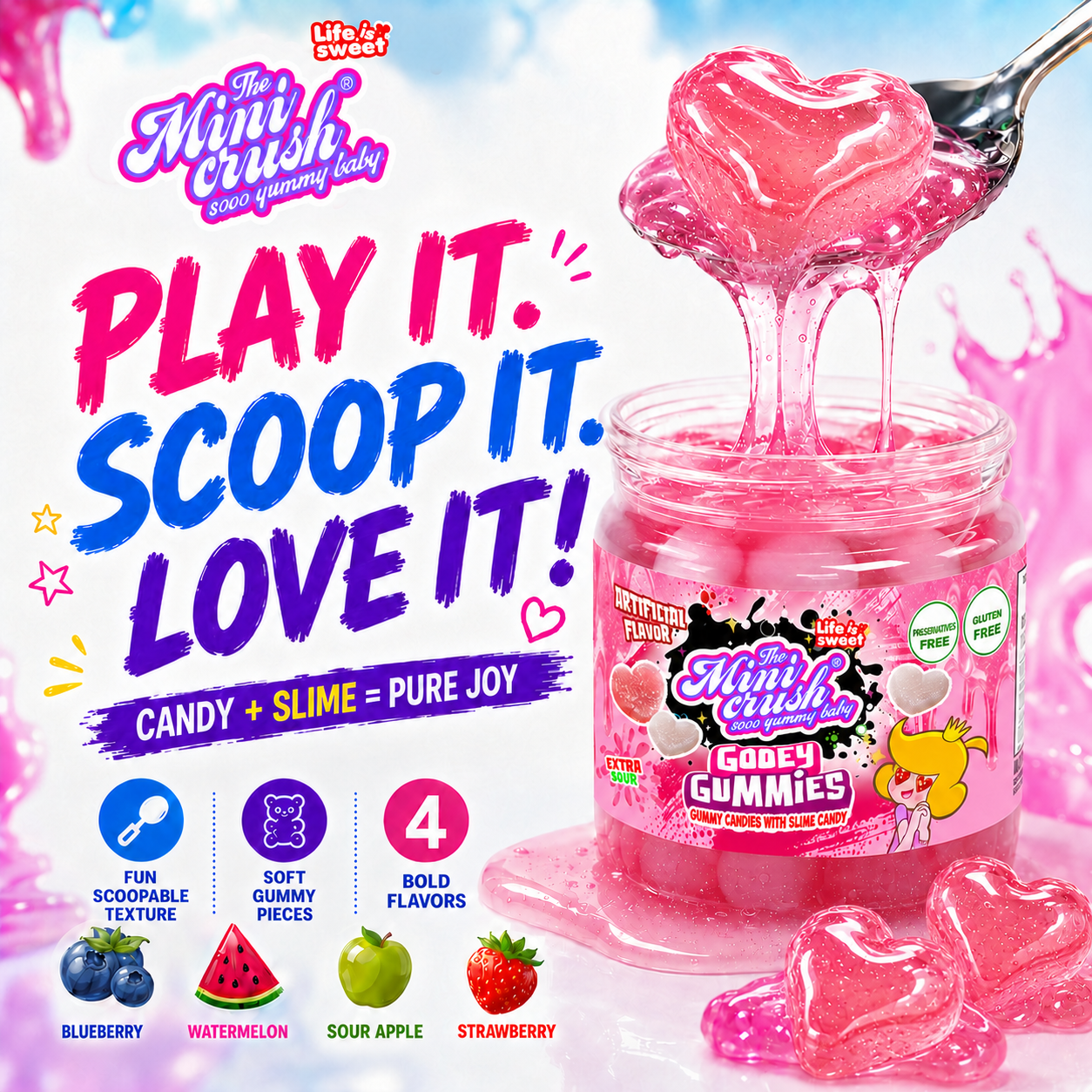
Minicrush Wholesale Bulk Private Label Squeeze Liquid Edible Slime Candy
Interactive novelty squeeze candy with viscous texture. Ideal for Japanese amusement arcades, Don Quijote specialty chains, and youth snack counters.

Halal Fruity Low-Fat Jelly Candy 40g Cartoon Football Cup
Portion-controlled 40g pudding cups featuring collectible sports jar designs. Low-fat formulation compliant with international safety guidelines.
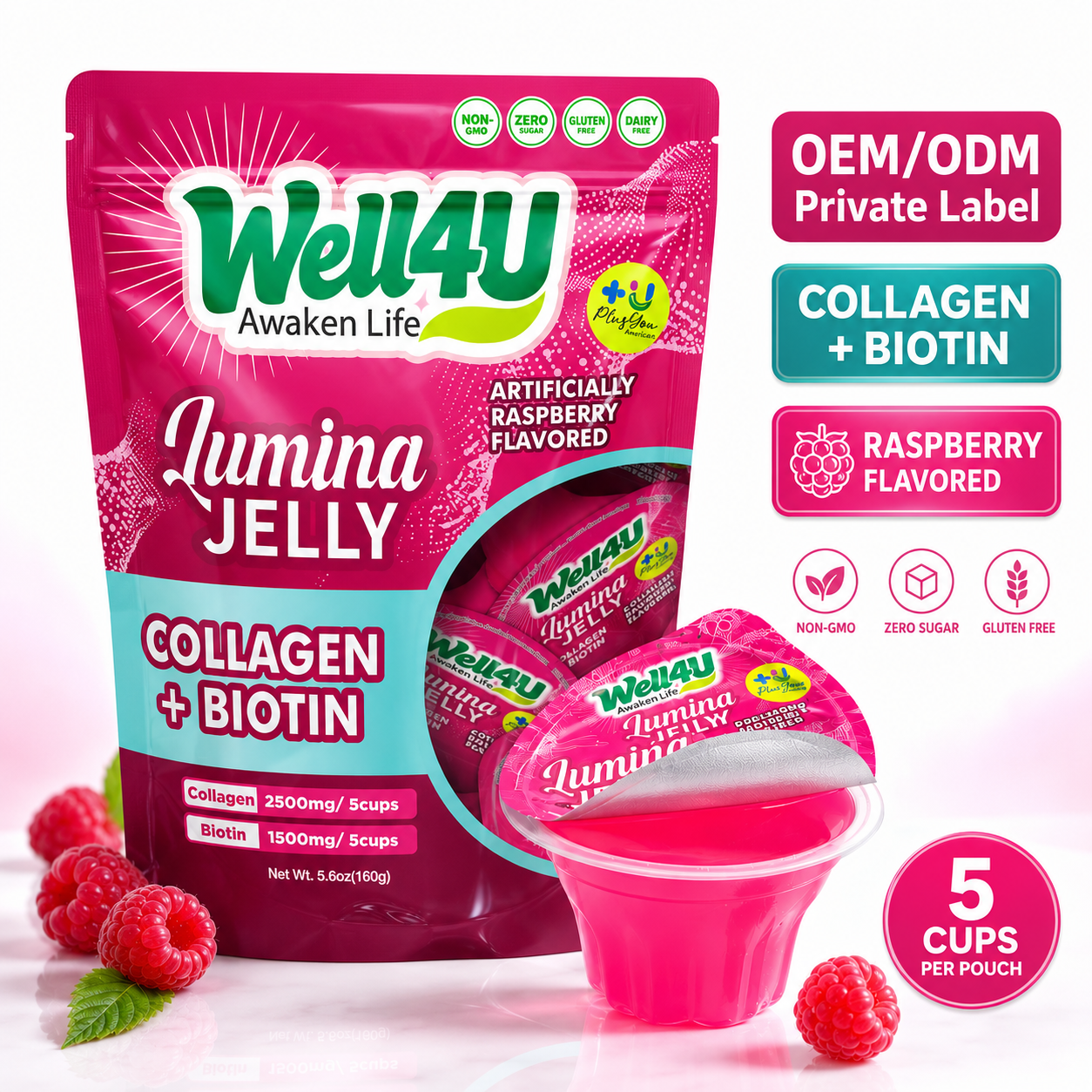
OEM ODM Collagen Jelly Cups Raspberry Flavor Retail Pouch
Functional nutricosmetic jelly infused with low-molecular marine collagen peptides. Designed for drugstores and wellness retailers across Kanagawa.

Pomegranate Flavor Aloe Vera Drink 500ml Bottled (30% Juice)
Refreshing RTD drink containing 30% real aloe vera pulp and pomegranate juice concentrate. Formulated for low-calorie convenience store shelves.
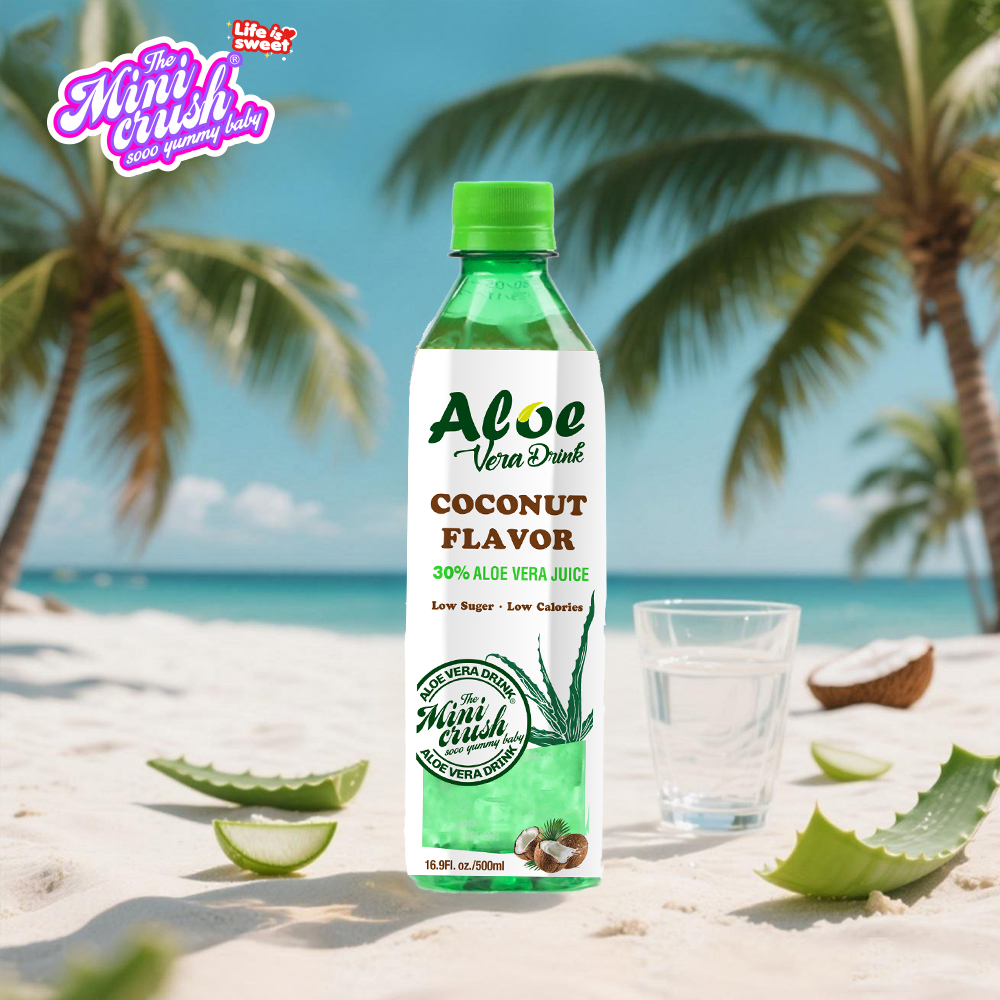
Coconut Flavor Aloe Vera Juice Drink 500ml Bottled Beverage OEM
Tropical coconut-flavored aloe pulp drink with balanced sweetness and natural gelling texture. Pasteurization process certified for long shelf-life export.
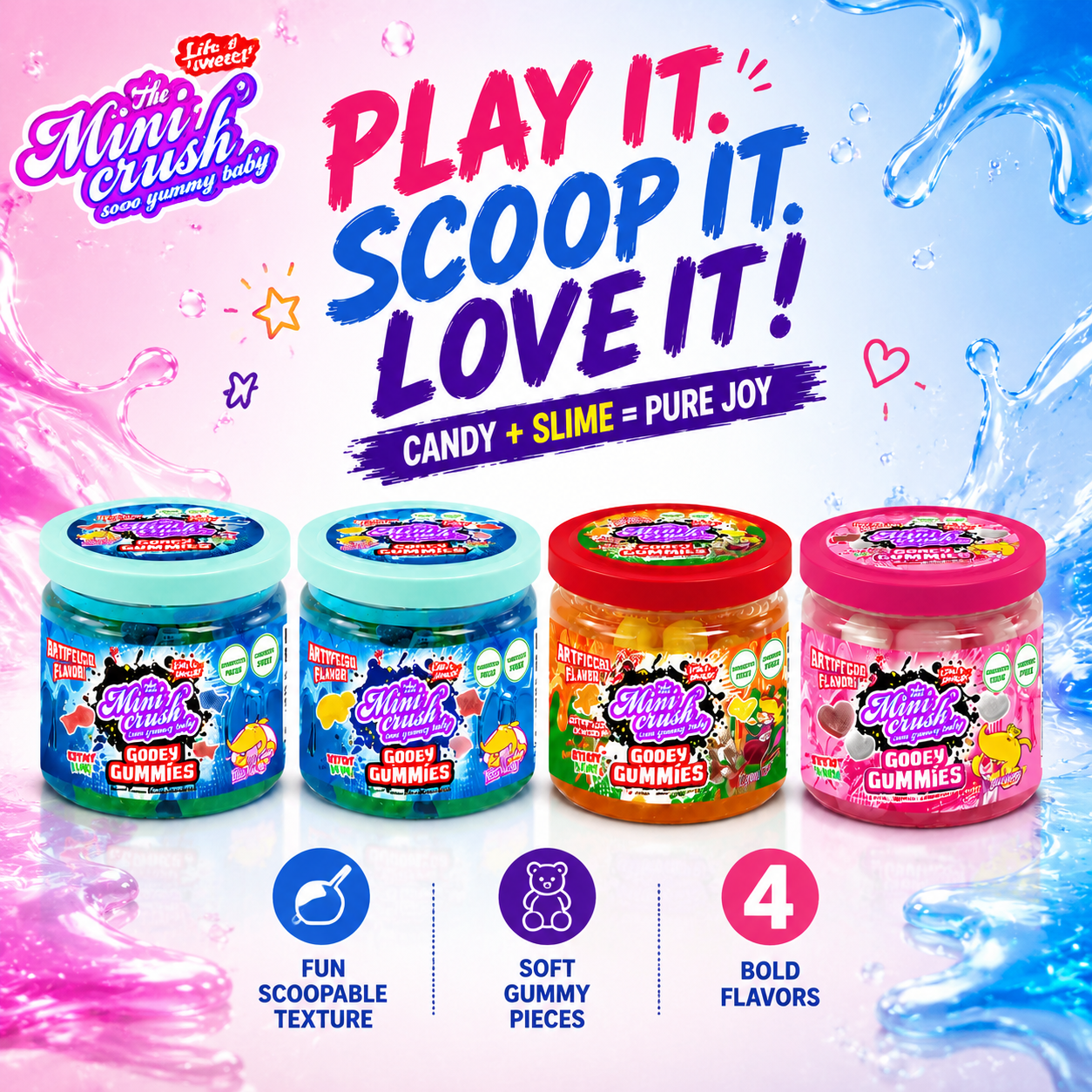
Gooey Gummies Edible Slime Candy Interactive Sharing Pack
Social-media viral liquid candy snack designed for youth impulse purchases. Available in custom multi-flavor pouch configurations.
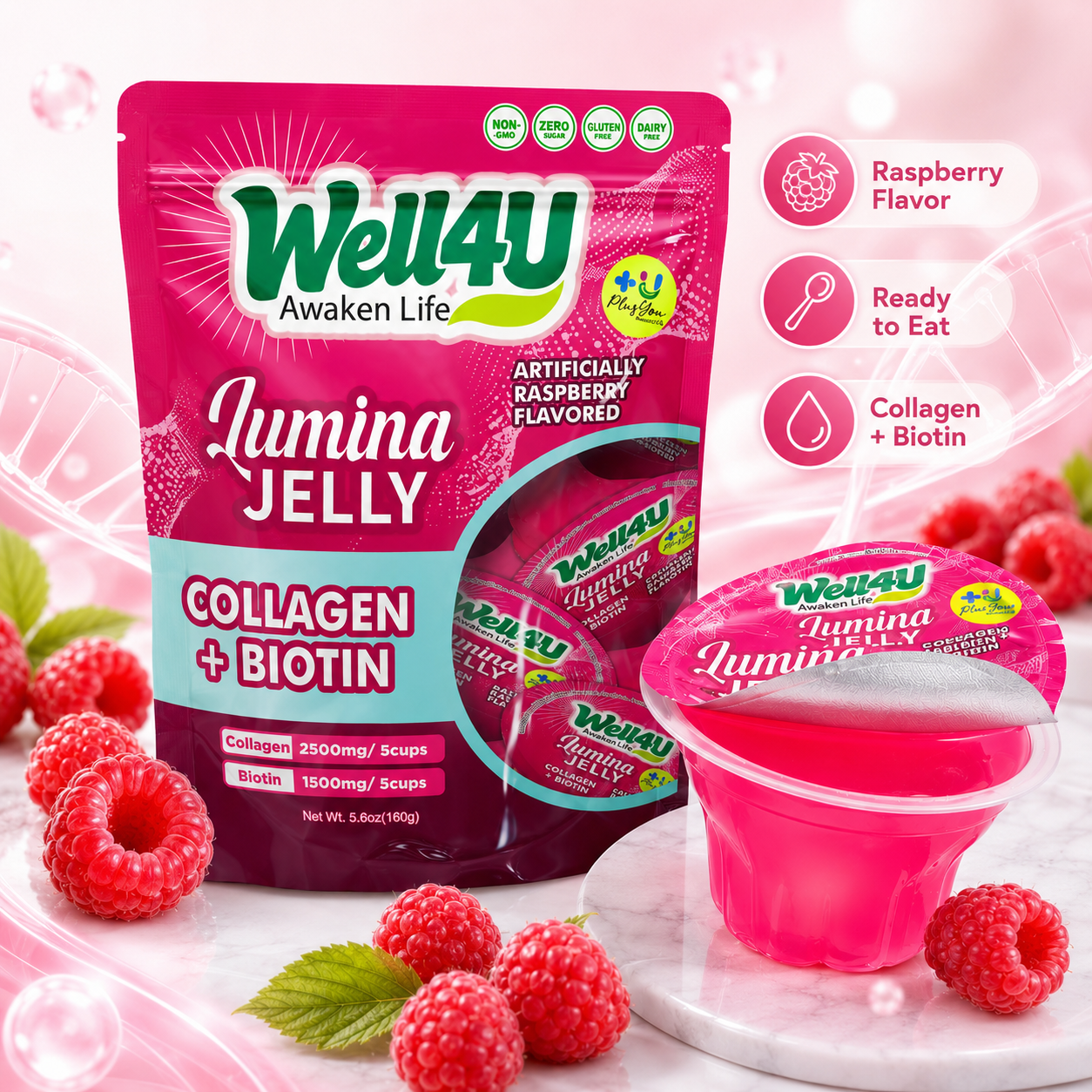
Collagen Jelly Cups with Biotin Raspberry Flavor (5 Cups Pouch)
Dual-active functional snack combining type I collagen with Biotin for hair and skin support. Packed in ready-to-eat 5-cup stand-up pouches.
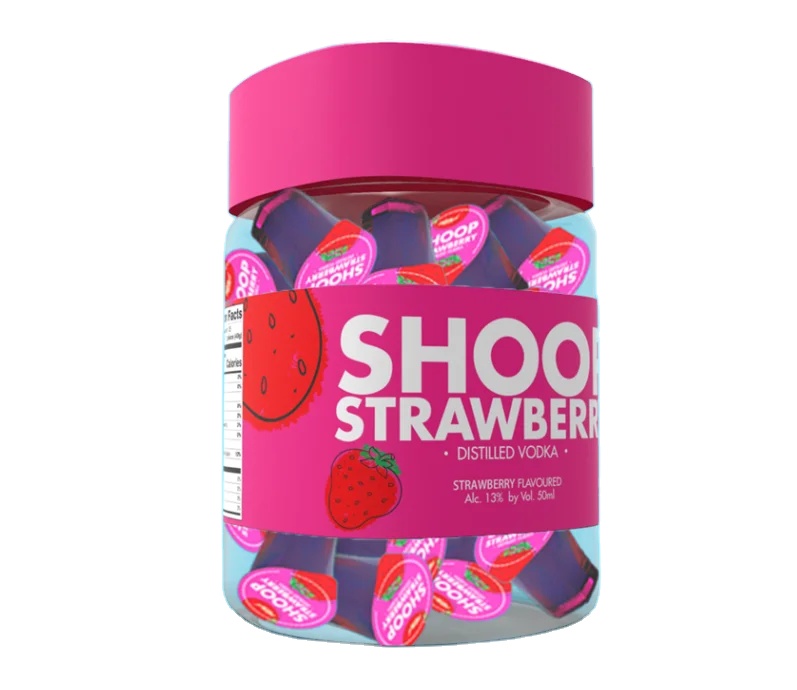
OEM Premium Vegan Vodka Jello Shots Cartoon Shaped Cups
Pre-mixed party jelly shots engineered with agar-agar gel matrix. Target-fit for Yokohama nightlife districts, music festivals, and licensed venue chains.
1. Regional Sourcing Dynamics: Navigating the Yokohama & Greater Tokyo Confectionery Landscape
As Japan’s second-largest municipal economy and the primary port gateway to the Kanto plain, Yokohama represents a highly strategic entry point for international confectionery brands, retail distributors, and private-label importers. Operating through major port facilities such as Honmoku and Daikoku Pier, Yokohama’s food supply network feeds directly into Kanagawa Prefecture’s 3.9 million residents and the broader Tokyo Metropolitan Area. However, successfully capturing market share in Yokohama requires strict alignment with local consumer preferences, rigid food safety laws, and tailored product architectures.
The Japanese fruit jelly and functional snack segment has undergone a significant paradigm shift over the past five years. Traditional heavy sugar gel cups are increasingly being superseded by better-for-you formulations, including low-GI squeeze pouches, collagen-infused beauty gels, vegan agar-based puddings, and sensory-driven novelty candies. For B2B buyers operating in Yokohama—spanning convenience store suppliers (Konbini), specialty depachika food halls in Minato Mirai and Yokohama Station, to drugstore chains like Welcia and Matsumoto Kiyoshi—sourcing from a certified custom OEM factory capable of bridging international manufacturing efficiency with Japanese quality standards is essential.
2. Regulatory & Technical Formulation Standard for Japanese Imports
Importing fruit jelly, gummy candy, and liquid beverages into Japan demands flawless adherence to the Food Sanitation Act (食品衛生法) enforced by the Ministry of Health, Labour and Welfare (MHLW). Non-compliant gelling agents, unapproved synthetic colorants, or improper packaging sizes risk immediate customs detention at Yokohama Port.
| Parameter / Regulation | MHLW & Japanese Regulatory Requirement | Alinma Custom OEM Production Standard |
|---|---|---|
| Gelling Agent Compliance | Strict restrictions on konjac gel cup elasticity/size to prevent choking risks; regulated use of carrageenan and pectin. | Custom bite-force formulations using citrus pectin, sodium alginate, and soft carrageenan matrices exceeding safety thresholds. |
| Food Additives & Colors | Only MHLW-designated natural colors permitted (e.g., Gardenia Blue, Beet Red, Paprika Oleoresin). Synthetic azo dyes restricted. | 100% natural fruit and vegetable concentrate coloring options with full technical spec sheets (COA/TDS). |
| Allergen Labeling (28 Items) | Mandatory disclosure of 8 designated ingredients (including milk, egg, wheat) and recommended disclosure of 20 items. | Isolated production lines preventing cross-contamination; full Japanese-compliant allergen mapping on private labels. |
| Microbiological Safety | Zero tolerance for Salmonella, E. coli; strict total plate count (TPC) limits for shelf-stable liquid and gel products. | Automated UHT pasteurization and hot-fill processing guaranteeing commercial sterility without chemical preservatives. |
3. Localized Retail & Commercial Application Scenarios in Kanagawa
To maximize sales velocity, OEM fruit jelly and beverage products must be conceptualized around specific consumption occasions and retail channels unique to the Yokohama urban landscape:
Convenience Stores (Konbini) & Express Stations
In high-foot-traffic transit hubs like Yokohama Station, Shin-Yokohama, and Sakuragicho, commuters demand single-serve, clean-hand packaging. Squeeze liquid jellies and 500ml aloe vera pulp bottles fit perfectly into refrigerated grab-and-go cases, catering to busy office workers and students seeking low-calorie energy boosts.
Depachika & Wellness Drugstore Chains
Underground food halls (Depachika) within Sogo Yokohama and Takashimaya, alongside drugstore leaders, focus heavily on functional nutricosmetics. Private-label collagen and biotin jelly pouches offer premium appeal, combining real raspberry juice with beauty claims targeting health-conscious urban shoppers.
Theme Parks, Chinatown & Novelty Gift Retail
Yokohama Chinatown and Minato Mirai entertainment complexes thrive on collectible, interactive snacks. Football-shaped pudding jars, edible slime candies, and character-branded gummies drive high impulse buying among tourists and families seeking memorable novelty souvenirs.
Night Economy & Event Hospitality
In vibrant nightlife areas such as Noge and Motomachi, pre-mixed alcoholic jello shots and colorful party jelly cups supply bars, music festivals, and event halls with standardized, hygienic, and ready-to-serve social beverages that eliminate manual prep time.
4. Key Market Trends Shaping Confectionery Demand in Japan
To maintain a competitive edge in Kanagawa’s evolving food sector, B2B procurement managers must align their OEM development with three overarching macro trends:
A. The "Inner Beauty" & Functional Snack Surge
Japanese consumers view snacking as an extension of daily healthcare. Confectionery fortified with functional active ingredients—such as low-molecular fish collagen, hyaluronic acid, vitamin C, dietary fiber, and natural aloe vera pulp—outperform standard high-sugar candies. Formulating fruit jelly cups with natural juice bases and zero artificial preservatives aligns directly with this secular shift toward preventative wellness.
B. Sensory Realism & Interactive Edible Experiences
The boom in social media platforms (TikTok, Instagram Reels, YouTube Shorts) has created huge demand for tactile, visually engaging treats. Products offering multi-layered textures—such as peelable 3D fruit gummies, squeezable edible slime, and popping boba jelly cups—generate organic viral marketing and high re-order rates among younger demographics.
C. Sustainable Packaging & Eco-Friendly Materials
With Japan’s progressive plastic reduction policies and heightened consumer eco-awareness, importers are prioritizing reduced packaging weight, recyclable stand-up pouches, multi-use plastic jars (such as sports toy jars), and optimized carton filling ratios that minimize carbon footprints per landed container.
5. Factory Infrastructure & Quality Management Capabilities
Nantong Alinma Food Co., Ltd. stands as an established, Intertek-verified custom confectionery manufacturer located in Jiangsu Province, China—strategically positioned near Shanghai Port for efficient international maritime shipping. With over 11 years of dedicated B2B export expertise, Alinma has earned a reputation as a Top 10 Confectionery OEM Supplier on Alibaba.com, delivering exceptional consistency and compliance to global buyers.
Advanced Production Scale
Operating across 16,900 square meters of specialized manufacturing facilities, our plant houses fully automated gelling, depositing, hot-filling, freeze-drying, and pouch-sealing lines. Supported by 81 verified technical personnel, we maintain an annual export volume exceeding US $9.5 Million.
Robust Supply Network
In addition to our core manufacturing infrastructure, Alinma integrates a vetted network of 194 cooperating raw material and packaging factories. This hybrid model allows Yokohama buyers to consolidate fruit jellies, gummies, freeze-dried snacks, and aloe vera beverages into unified container shipments under one rigorous QA standard.
Rigorous Quality Assurance
Our internal laboratory executes complete chemical, physical, and microbiological testing for every production batch. Verified on-site by third-party auditor Intertek, our products carry ISO22000, HACCP, and HALAL certifications, ensuring seamless customs clearance at Japanese entry ports.
Full OEM/ODM Customization
We provide end-to-end custom development services—ranging from custom shape mold design and tailored Brix/acid sweetness adjustments for Japanese palates, to Japanese-language back-label artwork creation, allergen mapping, and flexible container loading plans.
6. B2B Sourcing FAQ for Yokohama Importers & Distributors
Q: What is the transit lead time and shipping port protocol for orders bound for Yokohama?
Orders are produced at our Nantong facility and dispatched via Shanghai Port or Ningbo Port. Direct vessel routes to Yokohama Port (Honmoku or Daikoku Terminals) typically take 3 to 5 ocean days. Total door-to-door lead time, including custom production and Japanese customs inspection, ranges between 20 to 30 days from final sample sign-off.
Q: How do your fruit jelly formulations comply with Japan's Food Sanitation Act regarding gelling agents?
We reformulate jelly cups specifically for the Japanese market by replacing rigid high-concentration konjac matrices with soft, water-soluble citrus pectin, carrageenan, or sodium alginate blends. This ensures compliance with MHLW bite-force safety guidelines and eliminates choking hazards while maintaining an appealing, refreshing texture.
Q: What are the Minimum Order Quantities (MOQ) for custom private label packaging?
MOQs depend on the specific product format: standard jelly cups and party jelly shots start from 500 master cartons; squeeze pouches and character gummies start from approximately 1,200 to 2,000 cartons; and RTD aloe vera drink bottles start from 500 cartons. We also offer mixed-SKU container loading options to accommodate seasonal testing.
Q: Can you assist with mandatory Japanese language packaging labels and allergen disclosures?
Yes. Our export graphic design department works directly with your Japanese import broker or customs agent to format complete Japanese back-labels. This includes mandatory CAA nutrition panels (energy, protein, fat, carbohydrates, salt equivalent), net weight in grams, importer disclosures, and mandatory/recommended allergen declarations across all 28 listed items.
Q: Do you offer Halal and Vegan certified options for multicultural retail channels in Kanagawa?
Absolutely. Many of our gummy, jelly cup, and beverage lines are certified Halal and formulated using 100% plant-based hydrocolloids (such as agar-agar and pectin), making them fully suitable for Muslim consumers, vegan diet channels, and international grocery stores throughout the Greater Tokyo Area.
Q: How can we request custom product samples before placing a full production order?
You can request sample kits directly through our sales team. We provide standard inventory samples free of charge (courier freight costs apply), or we can manufacture custom-flavored pre-production samples matched to your target Brix level, color spec, and pouch design.
Request Full OEM Specification & Yokohama Shipping Quotation
Connect with our international export engineering team to receive complete product catalogs, factory audit reports, product specifications, and direct container shipping rates to Yokohama Port.