Featured Wholesale Confectionery & Jelly Pops
High-margin, shelf-stable, and freeze-at-home novelty jelly lines manufactured under strict Intertek-verified quality standards for Japanese distribution.



Wholesale Frozen Jelly Pops Sourcing Framework for Hyogo Prefecture
Navigating the Japanese imported confectionery sector with certified Chinese manufacturing precision, low micro-risk formulations, and high-efficiency sea freight into Port of Kobe.
The strategic port city of Kobe, located in Hyogo Prefecture within the lucrative Kansai economic region, represents one of East Asia’s most sophisticated confectionery consumption hubs. Known historically for its discerning culinary palate and early adoption of international food innovations, Kobe’s retail infrastructure—spanning high-end department stores in Chuo-ku, massive convenience store footprints (Lawson, FamilyMart, Seven-Eleven Japan), and specialized tourist retail strips around Kobe Harborland—demands exceptional quality consistency, flawless food safety compliance, and visual innovation from B2B frozen food suppliers.
For Japanese food importers, corporate trading firms (Shosha), and regional snack distributors, sourcing China wholesale frozen jelly pops (also commercialized as freeze-at-home juice sticks, sorbet jelly bars, and konjac ice pops) provides an extraordinary margin advantage without compromising sensory quality. However, penetrating the Japanese market requires strict adherence to the Ministry of Health, Labour and Welfares (MHLW) standards, the Japanese Food Sanitation Act, and localized packaging expectations.
Ambient Transport & Freeze-at-Home
Eliminate costly international reefer cold-chain logistics. Our specialized gellan-carrageenan hydrocolloid formulations are shipped at ambient temperature, allowing distributors to store products standardly and freeze them at retail or consumer level.
Japanese Sanitation Compliance
Formulated rigorously to exceed Japanese Food Sanitation Act requirements. Zero banned synthetic colorants, strict heavy metal thresholds (<10ppm), and full trace-element testing verified by third-party laboratories prior to container departure.
Localized JAS & Label Alignment
Full OEM ODM design support for Japanese back-of-pack labeling (Shokuhin Hyoji-ho), including complete Japanese ingredient breakdowns, allergen warnings (28 designated items), nutritional panel conversions, and JAN barcode integration.
Strategic Application Scenes Across the Kobe Ecosystem
Unlocking retail sales velocity by aligning ambient frozen jelly pop formats with Kansai's unique commercial channels and seasonal purchasing patterns.
Kansai Supermarkets & CVS
Ideal for ambient snack aisles in local chains across Motomachi and Sannomiya. Sold as multi-pack "freeze-at-home" liquid pouches, optimizing shelf footprint during hot summer months (June to September) when ice pop demand spikes by over 340%.
Kobe Port & Harborland Tourism
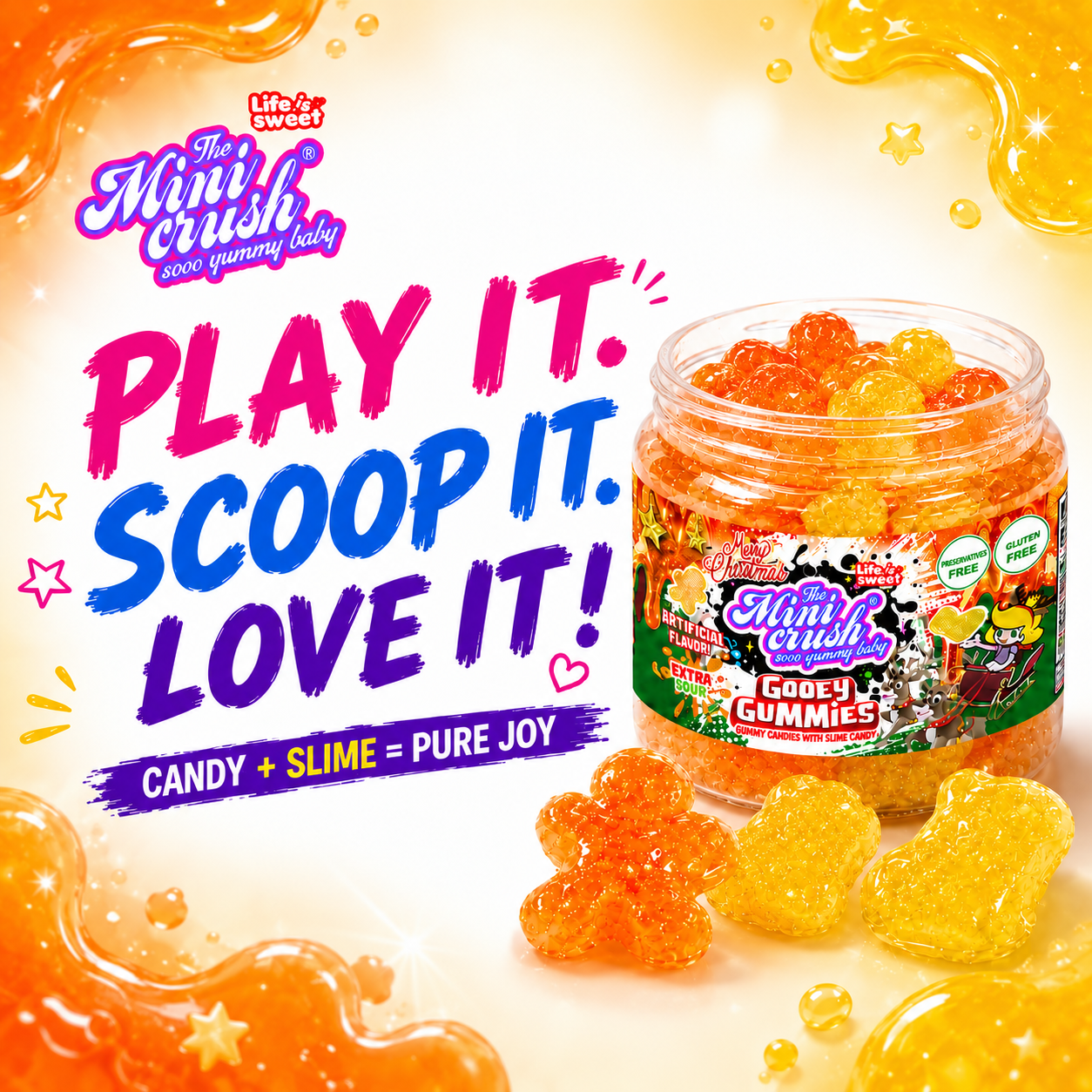
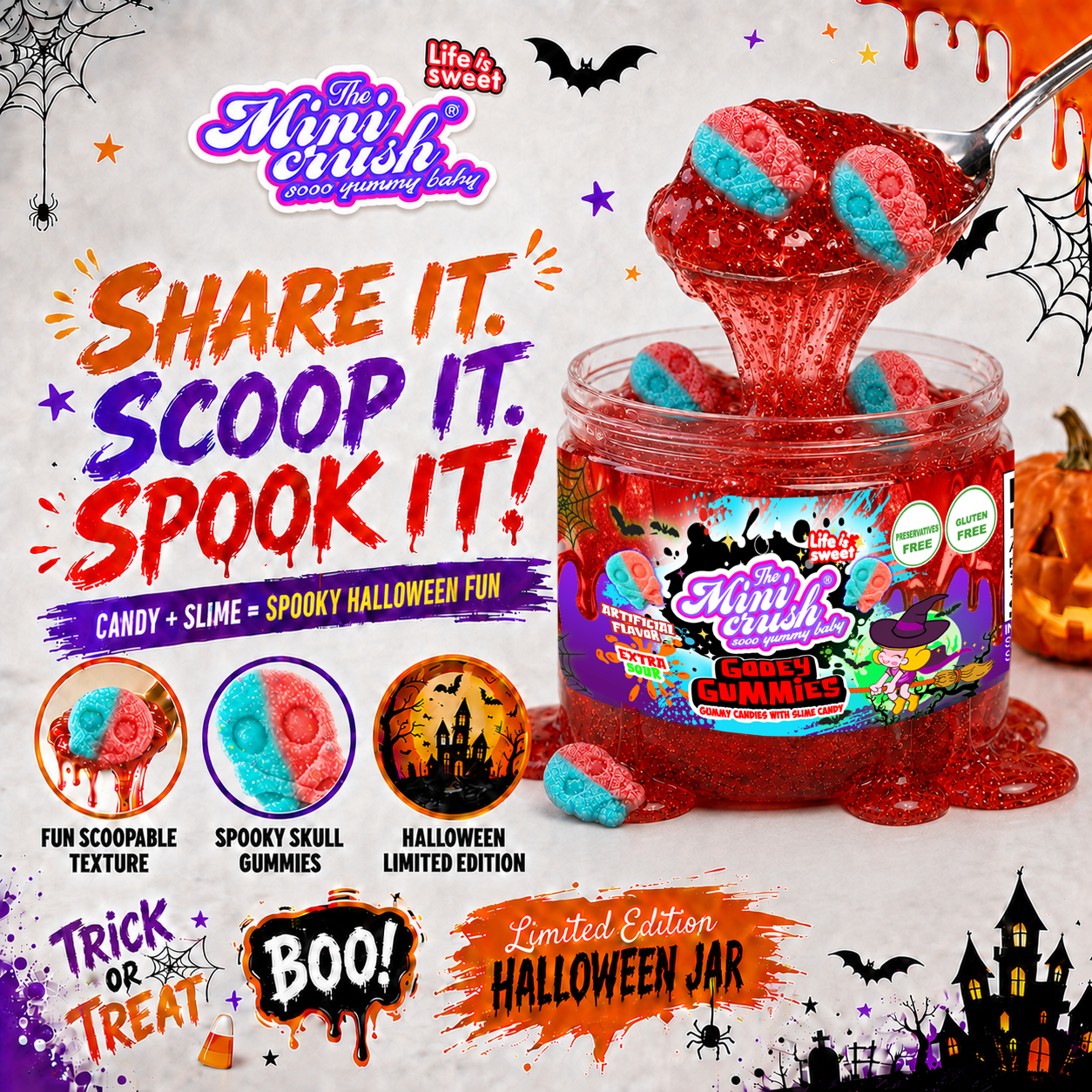
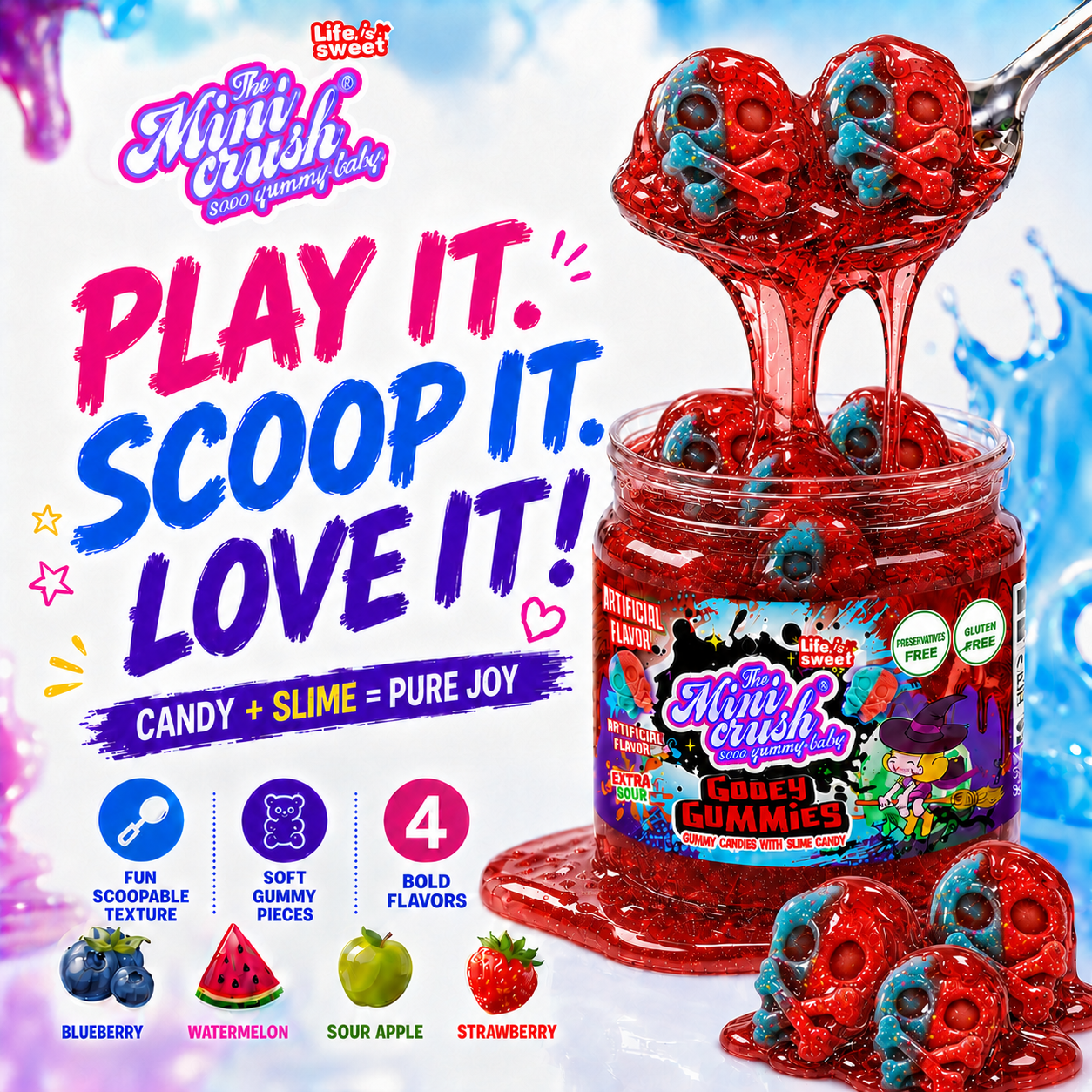
Novelty-shaped 3D fruit jellies and edible slime pops cater heavily to international family tourists and youth demographics visiting Meriken Park and Mosaic Shopping Center. Vibrant packaging delivers high impulse-buy rates in destination stores.
Izakayas & Dessert Cafes
Frozen cocktail jelly shots (non-alcoholic or alcoholic OEM options) serve as premium low-calorie dessert ingredients for nighttime entertainment venues in Sannomiya. Provides unique texture when mixed with Japanese shaved ice (Kakigori).
School Lunch & Co-op Channels
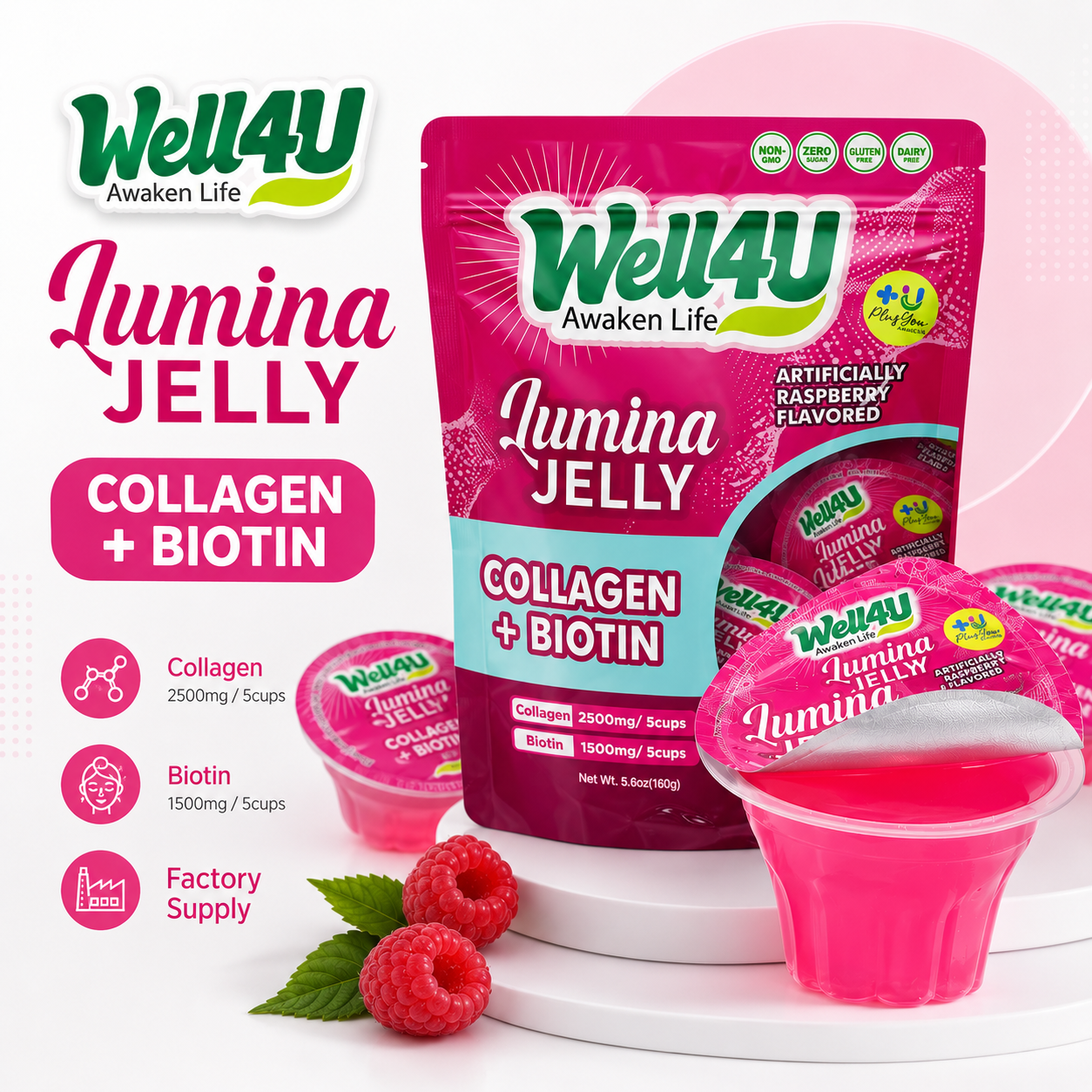
Portion-controlled (15g to 30g) freeze-at-home fruit jelly pops containing real fruit juice (30%+) and added functional collagen or Biotin. Popular in regional consumers' co-operative delivery catalogs (Co-op Kobe) across Hyogo Prefecture.
Technical Innovation & Japanese Market Alignment
Why next-generation hydrocolloid chemistry is outperforming traditional water-ice pops in Japanese retail performance benchmarks.
Traditional frozen ice pops (water-and-sugar bars) suffer from severe quality degradation during distribution: ice crystal growth (syneresis), flavor migration during thaw cycles, and brittle ice fracturing. For the sophisticated Kobe consumer, our hydrocolloid R&D lab at Nantong Alinma Food Co., Ltd. has engineered a proprietary **Konjac-Carrageenan Synergistic Hydrocolloid Matrix** specifically tailored for frozen applications.
| Performance Specification | Standard Water Ice Pops | Alinma Advanced Frozen Jelly Pops | Kobe Buyer Advantage |
|---|---|---|---|
| Gel Texture After Freezing | Hard, brittle, sharp ice crystals | Smooth, elastic, sorbet-like chewiness | Superior mouthfeel & child safety |
| Freeze-Thaw Syneresis | High liquid separation upon melting | Near-zero liquid separation (<1.2%) | No messy dripping; mess-free eating |
| Distribution Logistics | Continuous Cold Chain (-18°C) required | Ambient (15-25°C) Shipping & Storage | Saves 65% on international freight costs |
| Fruit Juice Compatibility | Juice settles; uneven flavor distribution | Uniform suspended pulp/juice matrix | Consistent taste from first bite to last |
| Functional Fortification | Heat-degraded during pasteurization | Thermal-stable Collagen/Biotin/Vitamin C | Matches Japan's "Better-for-You" trend |
Key Trends Shaping Japan's Frozen Confectionery Segment:
- "Nutri-Beauty" Functional Foods: Inclusion of marine collagen peptides, biotin, and dietary fiber in low-sugar fruit jellies aligns with Kobe’s wellness-focused urban lifestyle.
- Tactile & Interactive Novelty: The surge in TikTok-viral interactive treats (such as our peelable 3D gummies and scoopable edible slime candies) drives high turnover among school-age consumers.
- Eco-Conscious Packaging Norms: Transition to thin-gauge recyclable PET pouches, low-carbon printing inks, and reduced outer box volume to comply with Japanese plastic reduction mandates.
Nantong Alinma Food Co., Ltd. — Your Verified Manufacturing Partner
Combining 11+ years of international export prowess with rigorous Intertek-verified production lines in Jiangsu, China.
Intertek-Verified Production Excellence
Located strategically in Nantong, Jiangsu—close to Shanghai's international deep-water ports—Nantong Alinma Food Co., Ltd. operates a modern 16,900 square meter manufacturing campus. As a verified Custom Manufacturer ranked among the Top 10 leading confectionery exporters on Alibaba.com, we provide comprehensive OEM/ODM supply chain solutions for Japanese buyers.
Our dedicated Japanese trade desk assists with import notification documents (Shokuhin Tojoku), custom gel strength tuning, flavor matching (such as Japanese White Peach, Kyoho Grape, and Yuzu), and optimized FCL/LCL ocean container loading to Port of Kobe.
Kobe Importer Procurement & Trade FAQ
Direct, transparent answers regarding Japanese food imports, regulatory clearance, custom packaging, and logistics.
Start Sourcing Wholesale Frozen Jelly Pops for Kobe Today
Partner with Nantong Alinma Food Co., Ltd. for Intertek-verified quality, rapid 5-day shipping to Kobe Port, and tailored OEM solutions for the Japanese market.