Featured Commercial Confectionery & Jelly Lines
Explore our high-demand OEM/ODM product matrix engineered for global distributors, supermarket buyers, and private label importers seeking HALAL-certified, low-fat, and novelty treats.
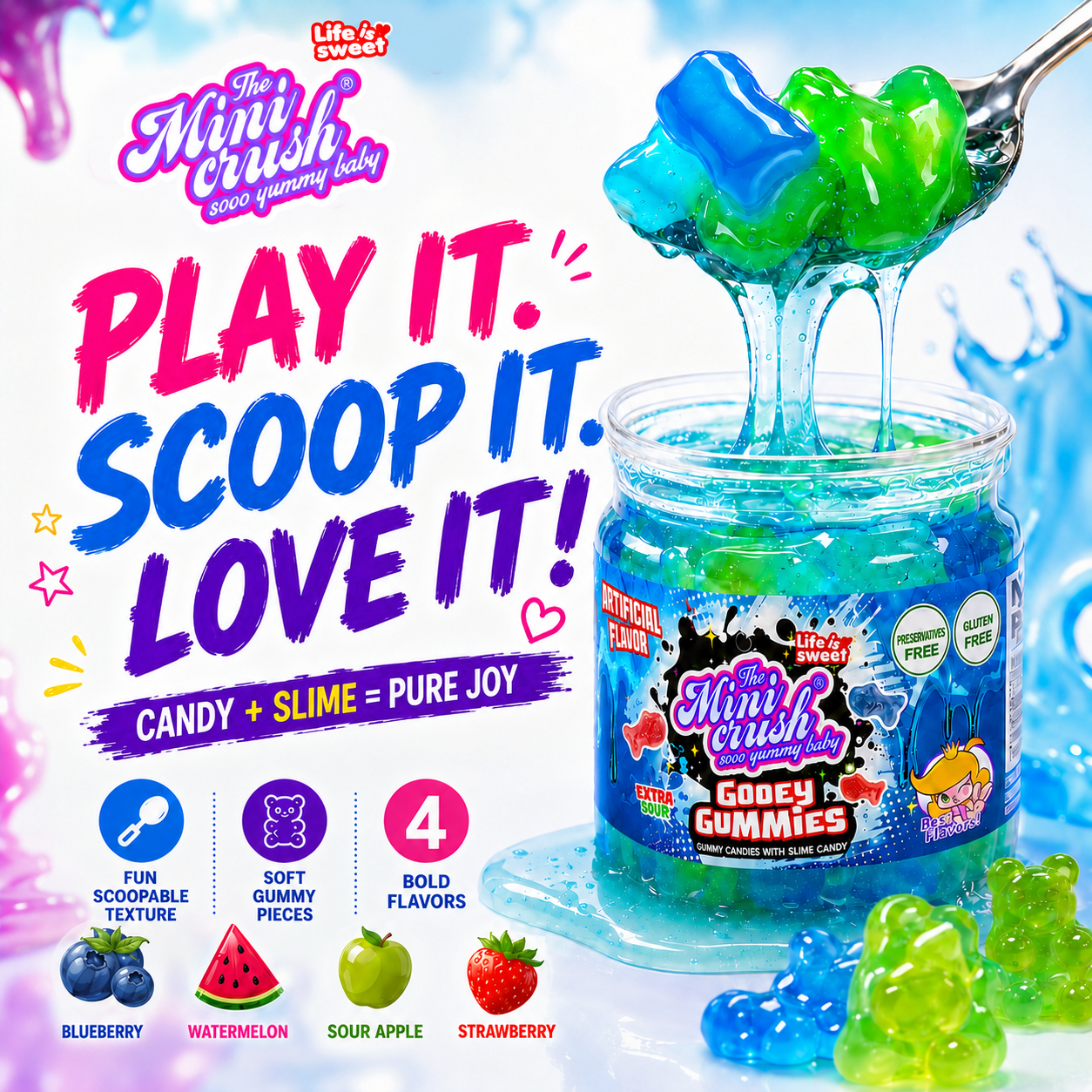

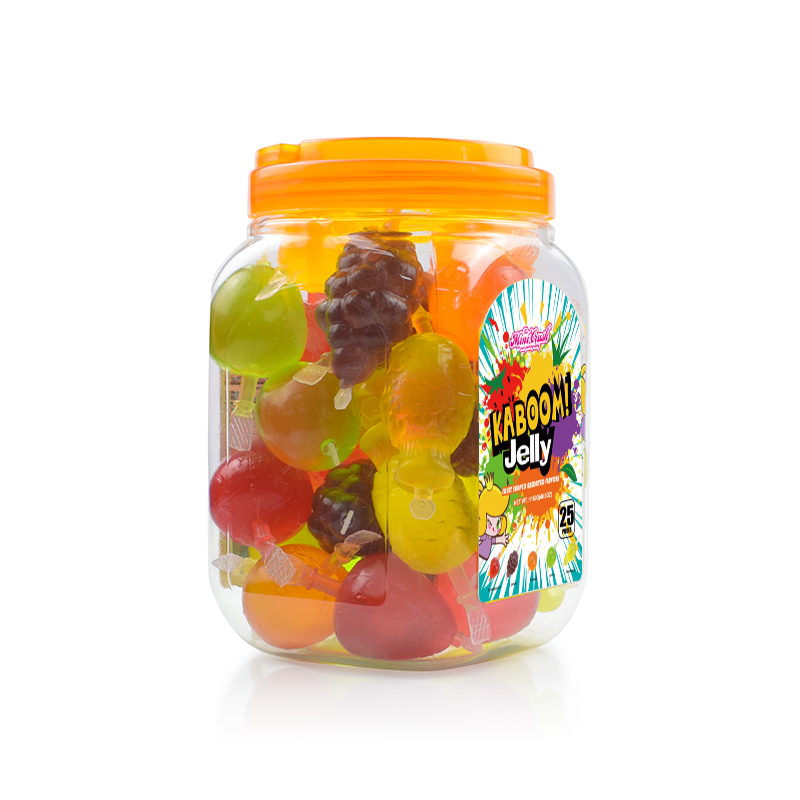


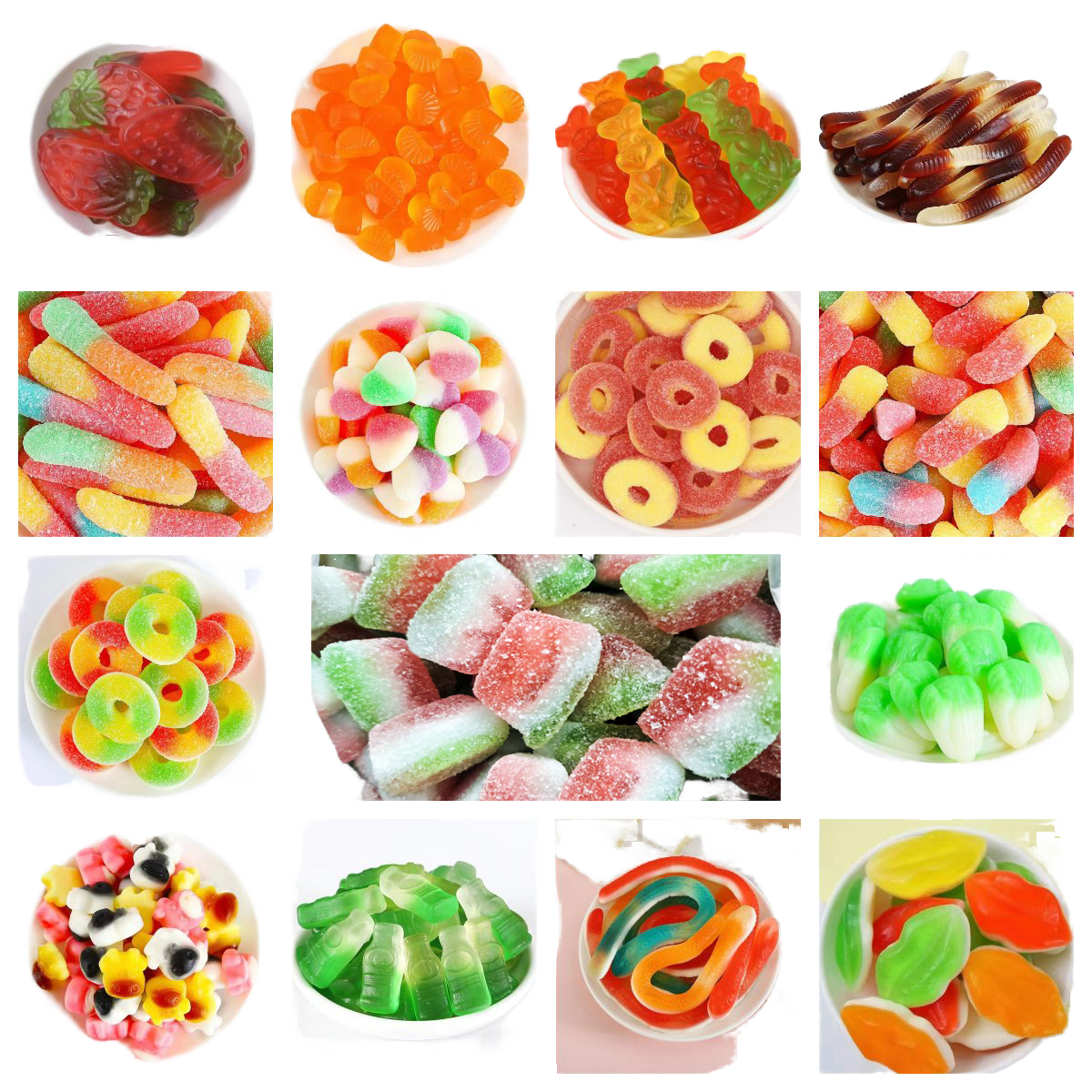
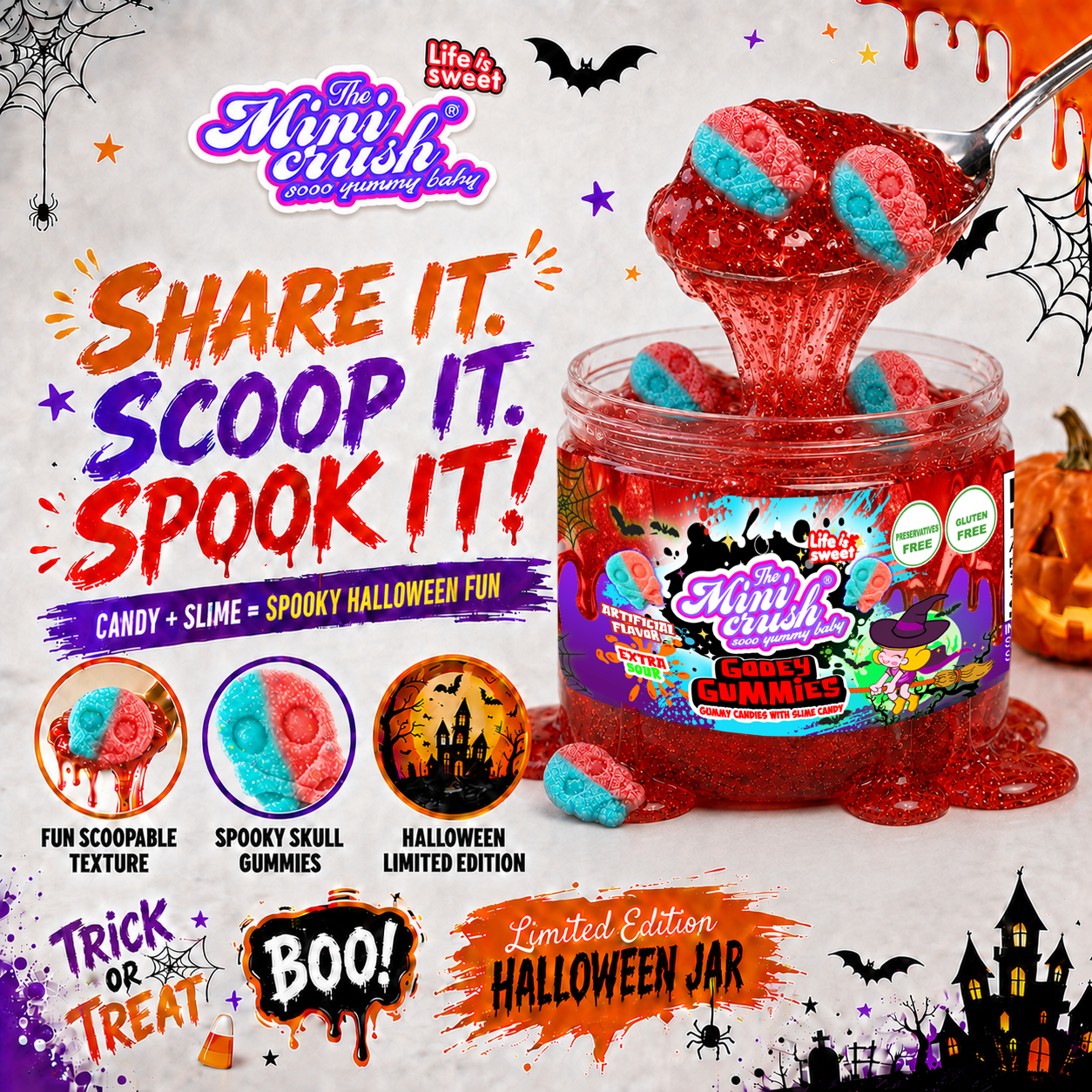
Why Leading Global Brands Partner with Nantong Alinma Food
Headquartered in Jiangsu, China, Nantong Alinma Food Co., Ltd. operates as an Intertek-verified tier-one confectionery manufacturer with specialized expertise in high-volume bio-fermented jellies, Halal gummies, freeze-dried treats, and functional aloe beverages.
Intertek On-Site Verified Facility
Our operational infrastructure, hygiene standards, automated sterilization units, and production capacities undergo rigorous annual on-site audits conducted by Intertek, ensuring full compliance with international food safety frameworks.
End-to-End OEM / ODM Customization
From custom 3D mold casting (such as character and fruit-shaped jelly cups) to micro-encapsulated flavor formulation and private label retail packaging, we offer turn-key solutions tailored to target consumer preferences.
Strict Regulatory Compliance
Equipped with specialized production lines certified for HALAL, ISO22000, and HACCP compliance, our products seamlessly navigate cross-border customs into North America, the Middle East, Europe, and Southeast Asia.
The Science of Nata De Coco: Bio-Fermentation & Material Quality
A technical synthesis of bacterial cellulose production, physical shear resistance, syneresis mitigation, and ingredient formulation parameters for institutional commercial buyers.
1. Bio-Synthesis Mechanisms of Bacterial Cellulose
Nata de coco is a pure dietary cellulose gel produced via the aerobic fermentation of coconut water by Komagataeibacter xylinus (formerly classified as Acetobacter xylinum). Unlike plant-derived cellulose (e.g., wood pulp or cotton), bacterial cellulose synthesized during nata de coco production features an ultra-fine, three-dimensional nanofibrillar network. This crystalline ribbon structure gives nata de coco its distinct physical properties: high tensile strength, exceptional water-holding capacity, and a firm, translucent bite.
During primary fermentation, coconut water is enriched with organic nitrogen, carbon sources, and precise acidity regulators (typically acetic acid maintaining a pH of 4.0 to 4.5). Over a 12-to-15-day static fermentation cycle at controlled ambient temperatures (28°C–32°C), bacterial colonies synthesize extracellular cellulose sheets at the liquid-air interface. The raw slabs are subsequently harvested, mechanically cubating into uniform dimensions (e.g., 5mm, 8mm, 10mm, or 12mm dice), washed thoroughly to remove residual organic acids, and thermally pasteurized.
2. Critical Quality Metrics for Industrial B2B Sourcing
When evaluating nata de coco suppliers, enterprise buyers must audit physical and chemical parameters to guarantee stability during shipping, processing, and long-term shelf display.
| Quality Benchmark | Standard Commercial Grade | Premium Export / OEM Standard | Impact on Finished Product |
|---|---|---|---|
| Brix Level (Syrup Base) | 12° - 14° Brix | 15° - 18° Brix (Customizable) | Controls osmotic pressure, preventing moisture leaching and preserving chewiness. |
| Fiber Cut Precision | ± 1.5 mm tolerance | ± 0.5 mm tolerance (Laser Cut) | Ensures smooth flow through automated filling nozzles without clogging lines. |
| Syneresis Rate (6 Mos) | < 5.0% moisture release | < 1.2% moisture release | Prevents clear jelly cup turbidity and fluid separation on retail shelves. |
| TPA Chewiness (g·mm) | 150 - 220 g·mm | 250 - 320 g·mm | Determines mouthfeel elasticity and structural integrity in hot/cold drinks. |
| Microbiological Standard | TPC < 1000 CFU/g | Commercial Sterility (Zero Pathogens) | Guarantees 12–24 months shelf life at ambient sea-freight temperatures. |
3. Hydrocolloid Synergy: Blending Nata with Konjac, Agar, and Carrageenan
Pure nata de coco cubes do not melt or dissolve under standard heat; however, they require a carrier gel matrix when presented in jelly cups or squeezable pouches. Premier factories utilize optimized hydrocolloid system blends to encapsulate the dice:
- Kappa-Carrageenan & LBG (Locust Bean Gum): Creates a firm, snappy jelly cup with high clarity and clean flavor release. Ideal for novelty fruit-shaped jelly cups.
- Konjac Glucomannan Blends: Imparts elastic, gummy-like chewiness while boosting dietary fiber claims. Highly popular in low-calorie, weight-management snacks.
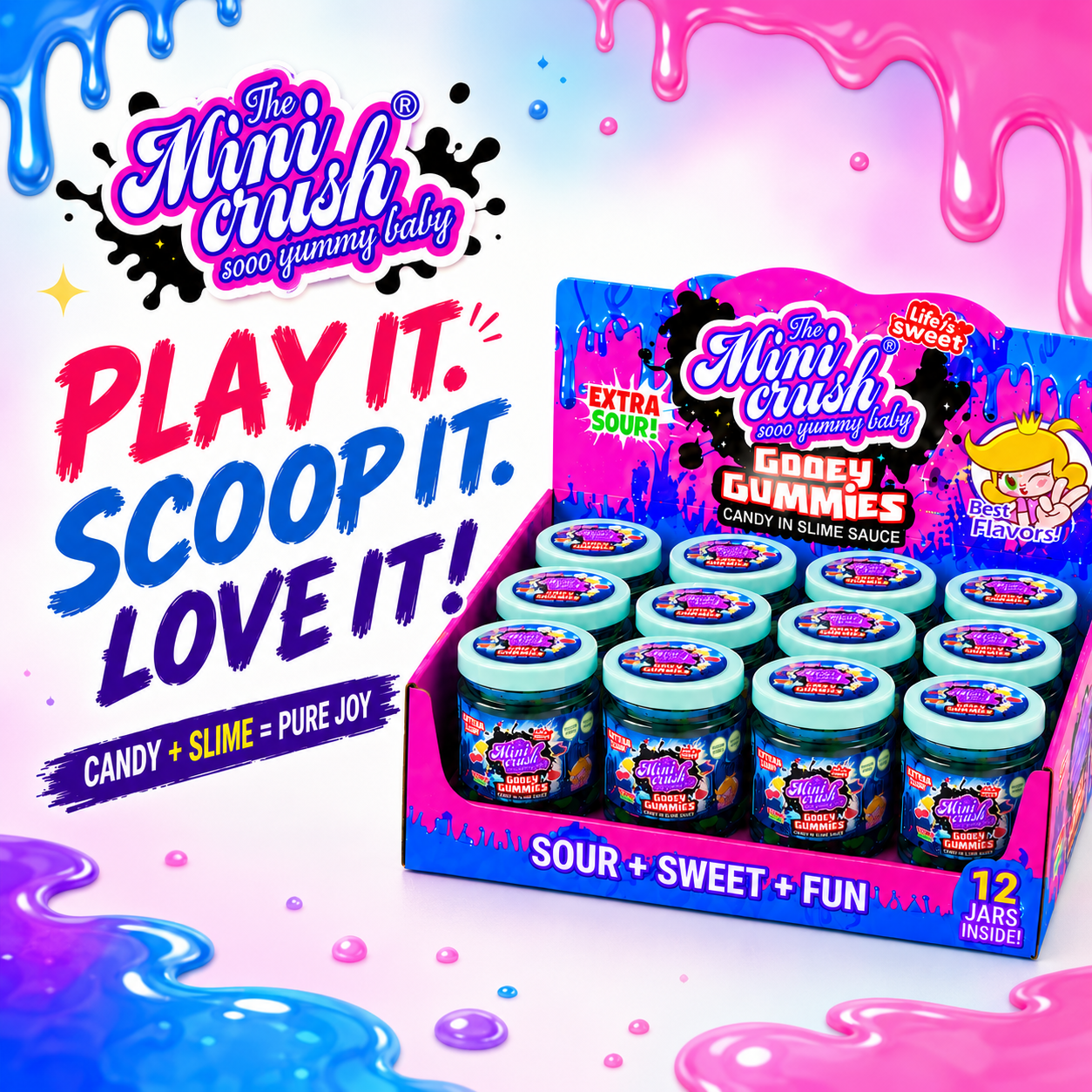
- Sodium Alginate & Pectin Systems: Employed in squeezable liquid candy and interactive "slime" treats (such as our viral Slime Licker series) to balance viscous flow with particulate suspension.
Future Procurement Trends in Nata De Coco & Fruit Jellies
Market intelligence derived from consumer shift analysis, ingredient innovations, and supply chain updates across primary import territories.
1. Clean-Label Sugar Reduction & Functional Fortification
The global sugar-reduction movement is transforming the jelly confectionery sector. Modern buyers are shifting away from high-fructose corn syrup (HFCS) toward erythritol, stevia, and natural fruit juice concentrates. Furthermore, functional ingredients like micro-encapsulated Vitamin C, marine collagen peptides, and dietary prebiotic fiber (inulin) are being directly incorporated into the jelly syrup matrix, turning traditional confectionery into "better-for-you" functional treats.
2. Interactive, Multi-Sensory & Novelty Formats
As evidenced by viral social media trends (such as TikTok edible slime and scoopable sour gels), younger demographics favor interactive snack experiences. B2B procurement is heavily gravitating toward dual-texture products—combining chewable bacterial cellulose cubes with ultra-sour squeezable liquids, peelable 3D gummy skins, or glow-in-the-dark novelty packaging that drives impulse checkout purchases.
3. Optimized Container Loading & Hybrid Freight Consolidations
Rising international shipping rates are prompting buyers to optimize freight cubic space. Industry leaders now utilize hybrid ordering models—combining dense, heavy liquid beverage lines (such as 500ml Aloe Vera Pulp Drinks) with low-density, high-volume cargo (such as Freeze-Dried Candy and Puffed Marshmallows) within a single 40ft HQ container to maximize weight and volume allowances simultaneously.
4. Strict Halal Traceability & Plant-Based Gelatin Substitutes
With massive growth across Middle Eastern, Southeast Asian, and North American Halal consumer bases, brands are systematically replacing pork-gelatin bases with 100% plant-derived bacterial cellulose, agar-agar, and pectin. Providing verified, batch-traceable HALAL documentation has evolved from an optional advantage into a non-negotiable prerequisite for wholesale listing.
Ingredient Selection Matrix: Nata De Coco vs. Alternatives
A technical comparison table for product developers evaluating gel matrices for new commercial food lines.
| Property | Nata De Coco (Bacterial Cellulose) | Gelatin (Animal Derived) | Agar-Agar (Red Algae) | Konjac (Tub Root) |
|---|---|---|---|---|
| Source / Origin | Coconut Water Bio-Fermentation | Porcine / Bovine Collagen | Marine Algae Extraction | Amorphophallus konjac Plant |
| Caloric Density | Near Zero (~6 kcal/100g raw) | High (~335 kcal/100g dry) | Very Low (~26 kcal/100g) | Ultra Low (~10 kcal/100g) |
| Thermal Stability | Does not melt up to 120°C | Melts at ~35°C (Body Temp) | Melts at ~85°C | Heat-stable when set with alkali |
| Dietary & Faith Suitability | Vegan, Kosher, 100% Halal Natural | Requires strict Halal/Kosher slaughter | Vegan, Kosher, Halal Natural | Vegan, Kosher, Halal Natural |
| Mouthfeel Profile | Crisp, firm, fibrous bite | Soft, quick melt-in-mouth | Brittle, short texture | Elastic, heavy chewiness |
Frequently Asked Questions (B2B Procurement FAQ)
Direct technical and operational answers to common inquiries raised by international procurement managers, brand owners, and compliance officers.
- Jelly Cups & Toy Jars: Typically start from 500 master cartons.
- Squeezable Liquid & Edible Slime Candies: Start from 1,000 to 2,000 cartons depending on custom bottle molds.
- Peelable 3D Fruit Gummies: Start from 12,000 retail bags for custom-printed film.
- Freeze-Dried Candy Lines: Start from 600 cartons (gummy bases) up to 28,800 bags for high-volume freeze-dried ice cream lines.
- Custom shape aluminum mold development for jelly cups, jars, and squeeze tubes.
- Flavor development (tropical, berry, sour fruit, natural botanical infusions).
- Color matching using natural pigments (e.g., chlorophyll, paprika extract, spirulina blue).
- Retail display box design, counter display units (CDU), and multi-language packaging printing.