Featured Export Confectionery & Jelly Products
Browse our verified export portfolio manufactured under Intertek-audited cleanroom conditions. Each SKU supports full private label customization, tailored Brix levels, and customized barrier packaging.
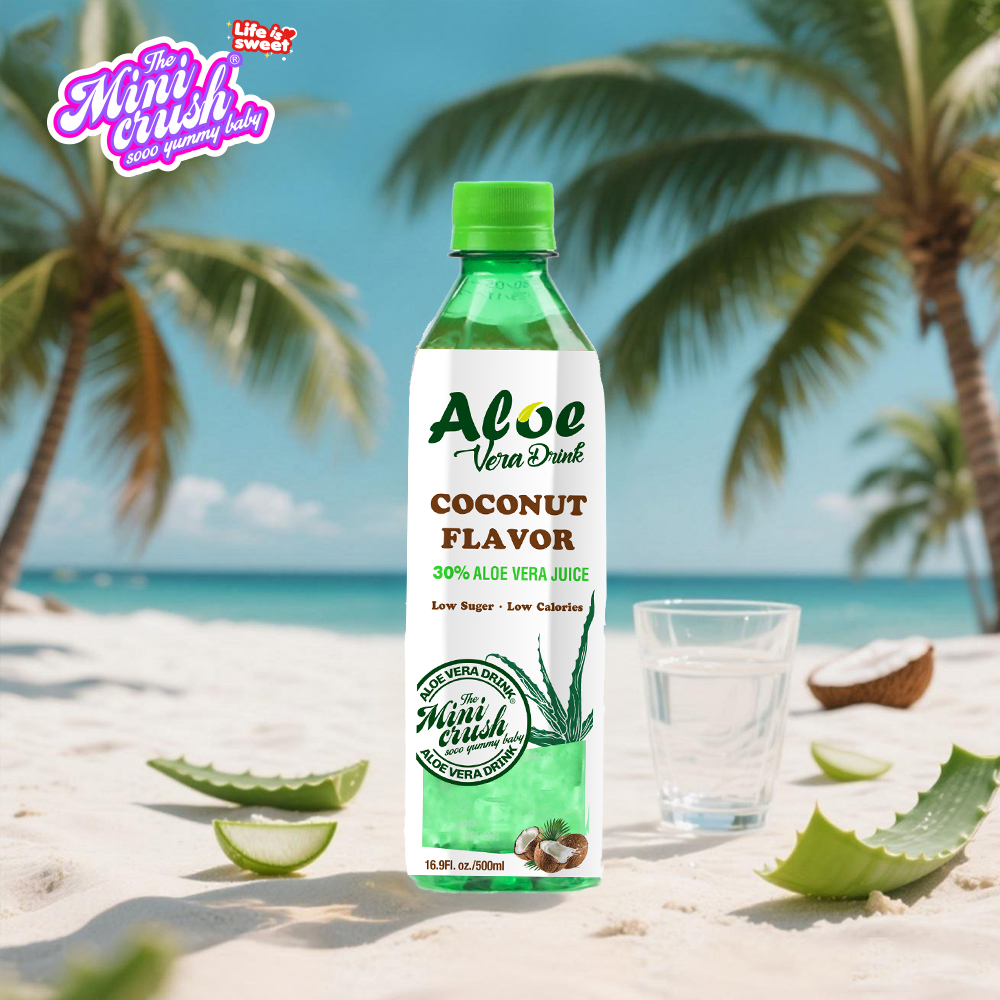
Coconut Flavor Aloe Vera Juice Drink 30% Aloe Vera 500ml Bottled Beverage OEM
View Product Spec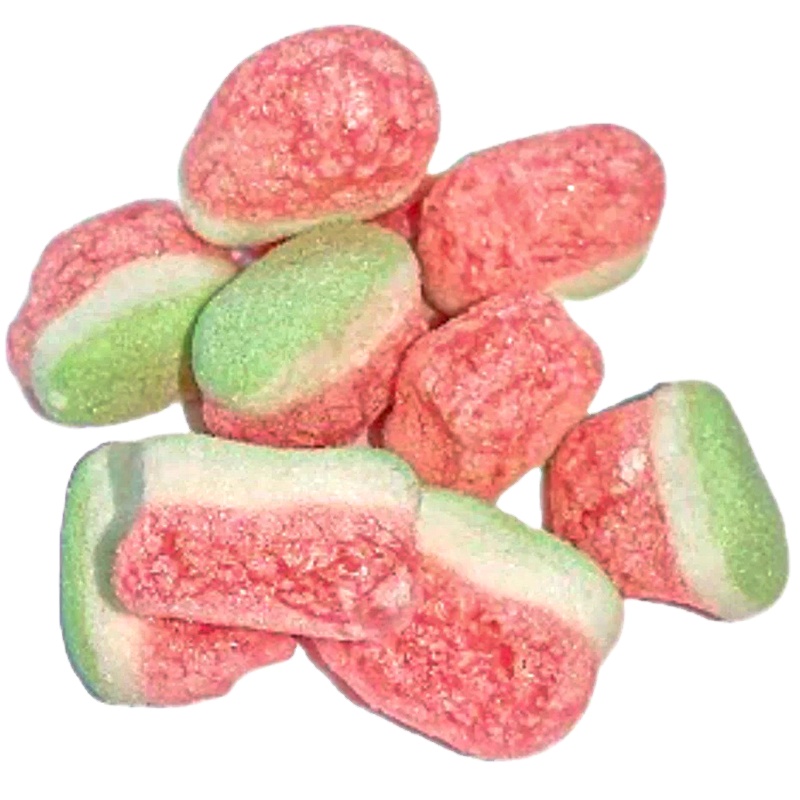
Minicrush Watermelon Freeze-dried Gummy Candy Sweet Funny Cartoon Shape 24 Packs Bag Wholesale
View Product Spec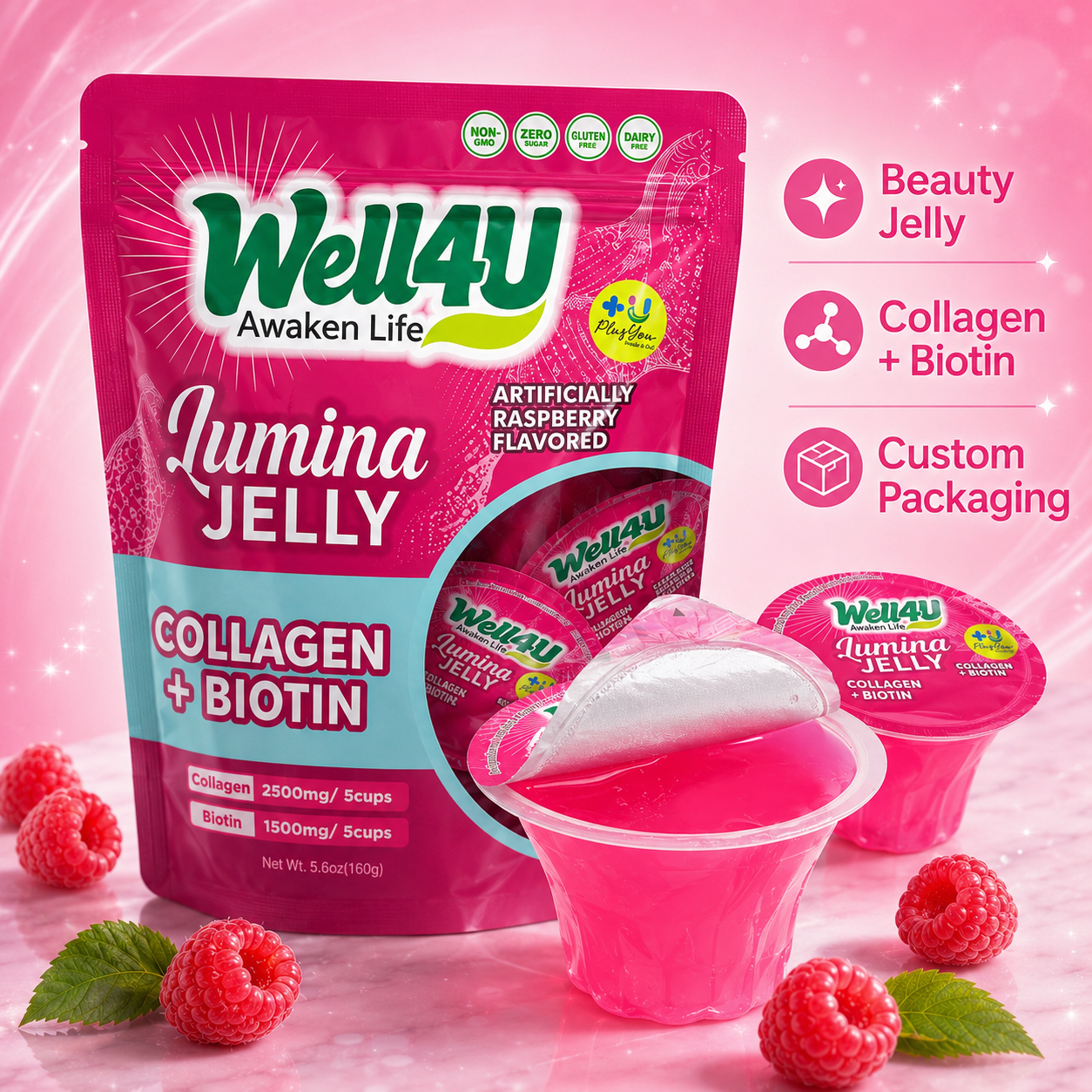
Raspberry Collagen Jelly Cups 2500mg Collagen 1500mcg Biotin 5 Cups Pouch Retail Pack
View Product Spec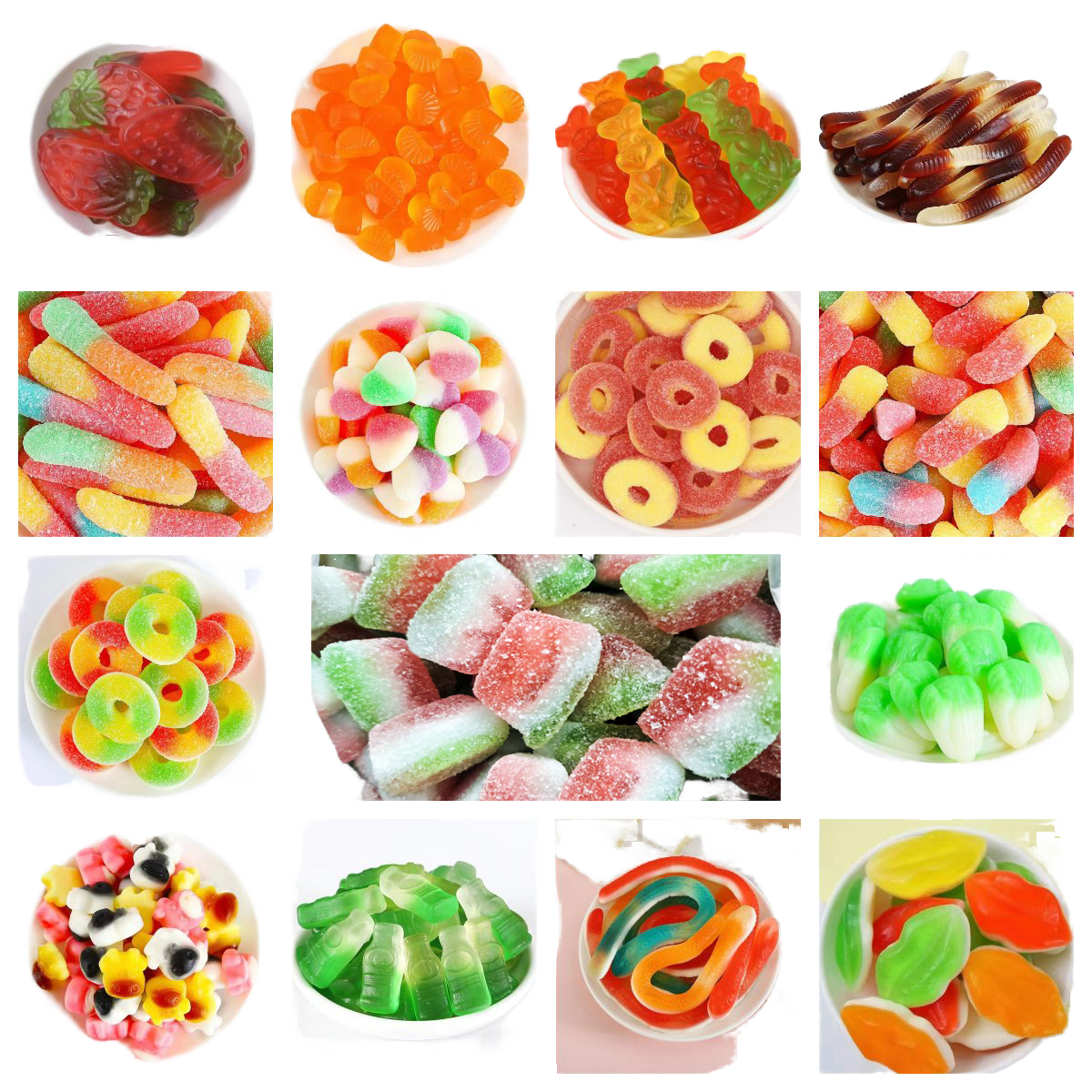
Customized logo Low MOQ Bulk Gummy Candy Vegetable Gummy Candy
View Product Spec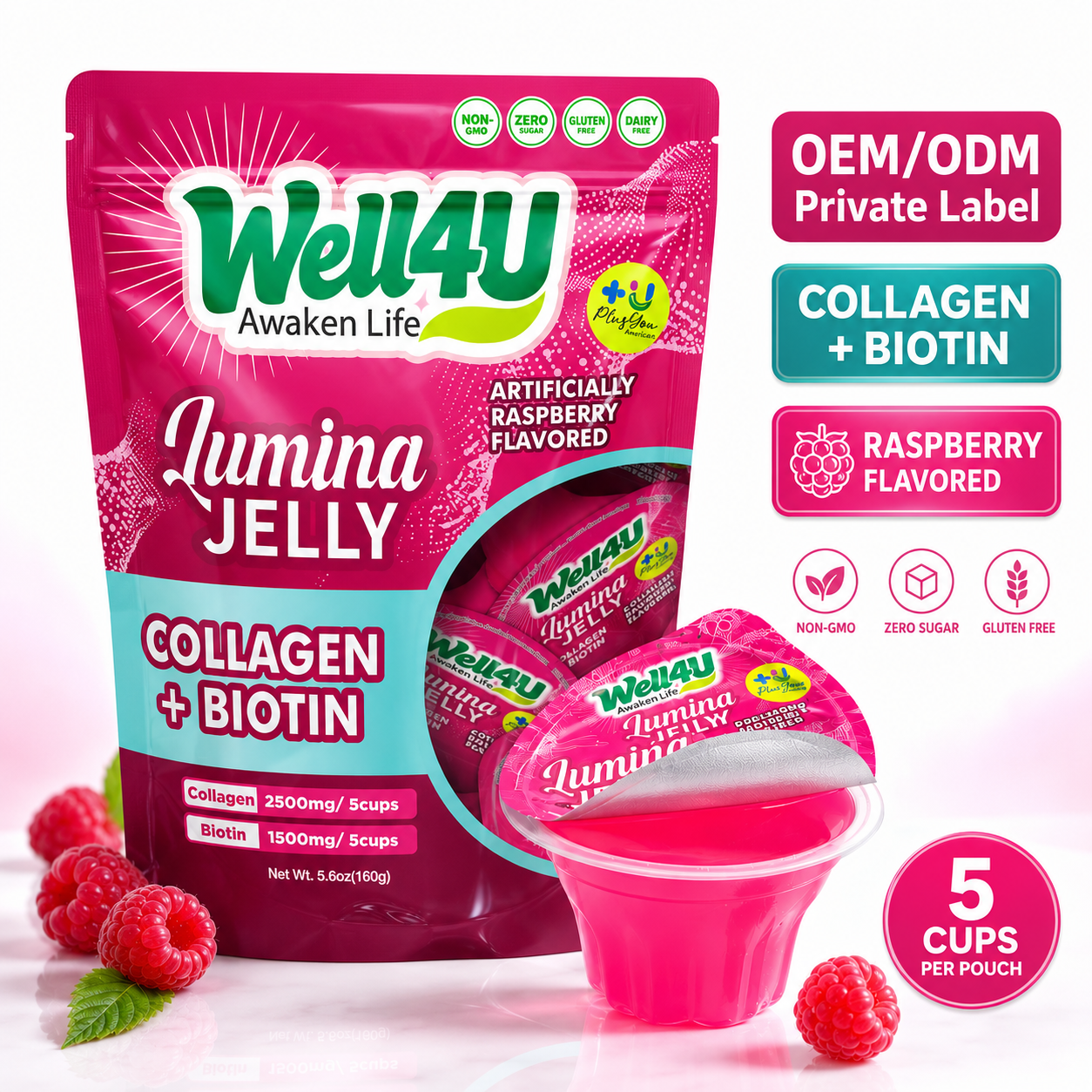
OEM ODM Collagen Jelly Cups Private Label Custom Packaging Raspberry Flavor Retail Pouch Pack
View Product Spec
Christmas Slime Candy Gooey Gummies with Gummy Candy Interactive Scoopable Candy Holiday Seasonal Candy Private Label
View Product Spec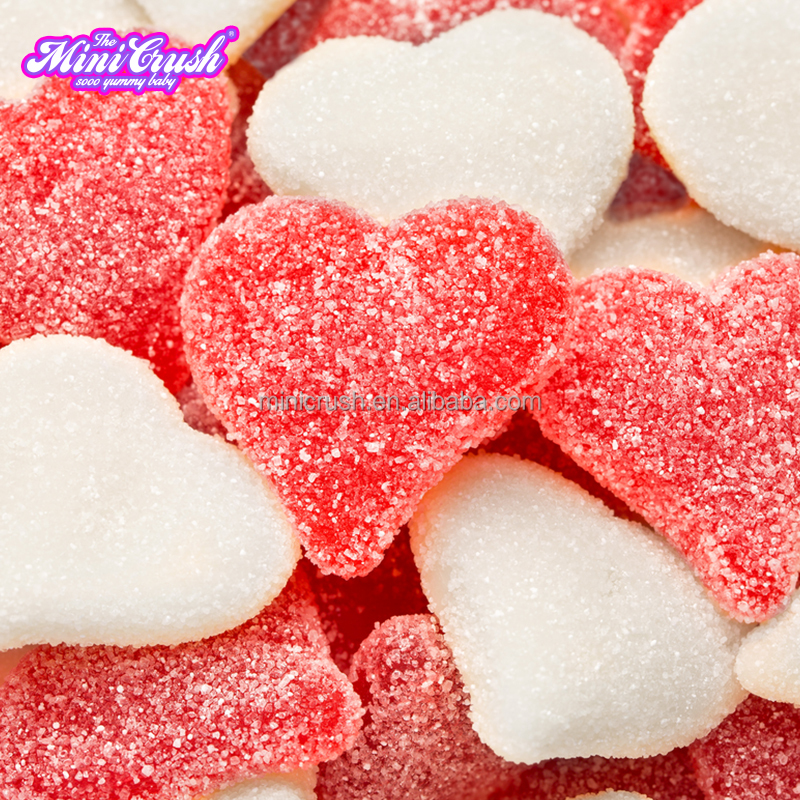
Wholesale Custom Private Label Bulk Fruity Taste Healthy Lifestyle Gummy Candy in Bag Packaging
View Product Spec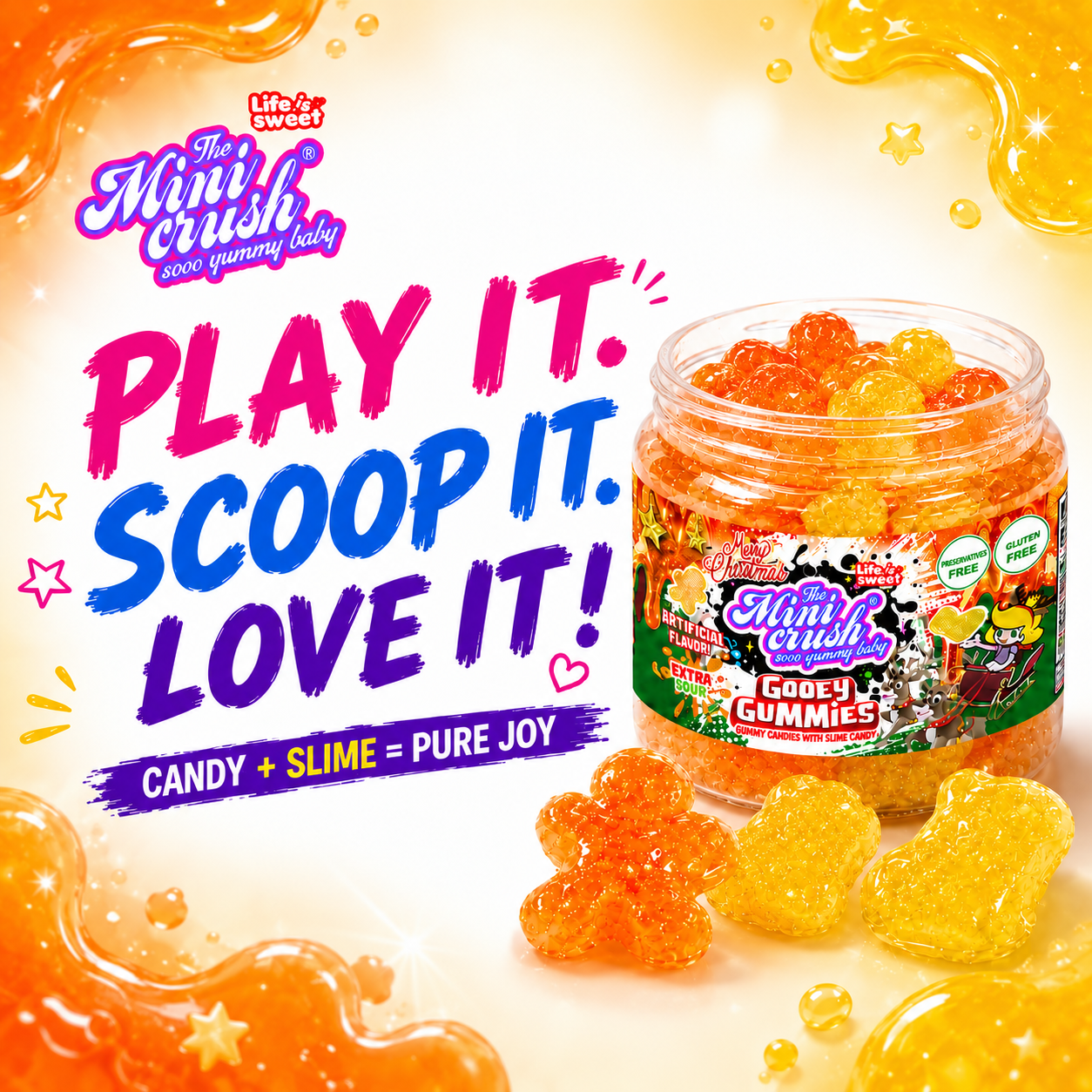
Novelty Edible Slime Candy Gooey Gummies Liquid Candy Interactive Candy for Fun Retail Displays
View Product SpecFactory Verification & Enterprise Capabilities: Nantong Alinma Food Co., Ltd.
As a verified premier manufacturer operating out of Nantong, Jiangsu, China, Nantong Alinma Food Co., Ltd. stands as an industry benchmark in custom food and confectionery OEM/ODM production. Ranked among the Top 10 leading confectionery manufacturers on Alibaba.com, our facilities have undergone stringent on-site assessment by Intertek, one of the world's leading third-party testing and certification organizations.
Our integrated ecosystem combines dedicated automated production lines with a robust supply network of 194 specialized manufacturing partners. This dual operational structure allows global importers, distributors, and private-label brands to consolidate multi-category candy orders—including pineapple jelly cups, functional collagen shots, freeze-dried ice cream, and aloe beverages—under a single, rigorous Quality Assurance framework and verified export compliance.
Technical Deep-Dive: Formulating High-Quality Pineapple Jelly
Manufacturing high-grade pineapple fruit jelly presents unique biochemical and rheological challenges that distinguish top-tier Chinese factories from entry-level producers. Raw pineapple juice naturally contains bromelain, a complex mixture of proteolytic enzymes (proteases) that hydrolyze protein chains. When formulating gelatin-based or protein-fortified jellies, undeactivated bromelain breaks down the peptide bonds within gelatin, completely preventing proper gelation and matrix setting.
Leading Chinese manufacturers overcome this obstacle through precise thermal processing and advanced hydrocolloid engineering. By subjecting concentrated pineapple juice to controlled High-Temperature Short-Time (HTST) thermal pasteurization, bromelain enzymes are permanently denatured without degrading the natural volatile aromatic compounds responsible for authentic pineapple flavor profiles.
Hydrocolloid Synergy & Gel Matrix Engineering
To deliver the optimal bite, elasticity, and shelf stability required for international export, top manufacturers utilize a synergistic blend of plant-based hydrocolloids:
- Kappa-Carrageenan & Konjac Glucomannan Synergy: Combining Kappa-carrageenan with Konjac flour creates a resilient, thermo-reversible gel network with high gel strength and excellent water-binding capacity. This prevents syneresis (water weeping) during long ocean transit through humid tropical climates.
- Sodium Alginate & Calcium Ion Cross-Linking: For pop-in-mouth jelly shots and bursting fruit jellies, controlled ionotropic gelation utilizes sodium alginate reacted with calcium lactate, forming a delicate membrane resistant to premature rupture.
- Low-Methoxyl (LM) Pectin: Utilized in low-sugar and health-conscious pineapple jelly formulations. LM pectin gels in the presence of divalent cations (Ca²⁺) rather than high sugar concentrations, allowing for stable gelation in zero-sugar or stevia-sweetened SKUs.
Export Quality Benchmark Matrix for China Pineapple Jelly
| Quality Parameter | Standard Industrial Grade | Premium Export / Brand Grade | Testing & Compliance Protocol |
|---|---|---|---|
| Brix Level (Soluble Solids) | 14% - 18% Brix | 20% - 25% Brix (Or Low-Sugar 8-12%) | Refractometric Index (20°C) |
| pH Range | 3.8 - 4.2 | 3.2 - 3.6 (Optimal tartness stability) | Calibrated Digital pH Meter |
| Gel Strength (Bloom / g) | 250 - 350 g/cm² | 450 - 600 g/cm² (Bite-firm texture) | Texture Analyzer (P/0.5 Probe) |
| Real Juice Content | 5% - 10% Reconstituted | 15% - 30% NFC / Concentrated Juice | HPLC Organic Acid Profiling |
| Thermal Stability | Up to 45°C | Up to 60°C (No melt in container shipping) | Accelerated Chamber Test (72 hrs) |
| Microbiological Standard | Commercial Sterility | Zero Colony Count / Enterobacteriaceae | ISO 4833-1 / Commercial Autoclave |
Future Procurement Trends in Pineapple & Fruit Jelly Sourcing
As global retail channels adapt to shifting consumer demographics, international B2B buyers must align their procurement strategy with five overarching macroeconomic trends driving Chinese confectionery manufacturing through 2030:
1. Functional Fortification (Nutraceutical Jellies)
Fruit jellies are transitioning from mere indulgences into active health carriers. Demand for pineapple jellies fortified with hydrolyzed bovine/marine collagen peptides, Biotin, Vitamin C, Zinc, and postbiotics is expanding rapidly in North America and Europe.
2. Stringent Halal & Clean-Label Compliance
With major import markets expanding in Southeast Asia (Indonesia, Malaysia) and the Middle East (UAE, Saudi Arabia), securing JAKIM/MUI-recognized Halal certification and replacing synthetic azo dyes (E102, E110) with natural curcumins and beta-carotene is mandatory for bulk buyers.
3. Interactive & Novelty Formats
Gen-Z and viral social media trends have fueled exponential growth in 3D peelable fruit gummies, squeeze-pouch jellies, edible liquid slime, and sports-themed toy jar packaging (e.g., soccer ball and character display jars).
Development Trends & Innovation Roadmap (2025–2030)
The Chinese confectionery manufacturing sector is heavily investing in state-of-the-art automation and cleanroom engineering to maintain its competitive dominance. When selecting a primary supplier for pineapple jelly and fruit snacks, global buyers should evaluate manufacturers based on the following three developmental pillars:
A. Ultra-Clean Injection & Aseptic Packaging
To eliminate chemical preservatives like sodium benzoate and potassium sorbate, tier-1 Chinese factories are transitioning to Class 100,000 cleanrooms equipped with automated high-speed hot-fill injection lines. Jelly cups are formed, dosing-injected with fruit pulp, sealed with multi-layer aluminum film under sterile nitrogen flushing, and immediately passed through continuous thermal water bath autoclaves. This process achieves a 12-to-24 month ambient shelf life while preserving natural pineapple aromas.
B. Multi-Textural & Dual-Layer Co-Extrusion
Single-texture jellies are rapidly losing market share to complex, multi-sensory formats. Advanced factories now deploy co-extrusion depositing technology capable of creating a firm, peelable outer skin paired with a soft, juicy fruit-core center. This dual-layer architecture mimics the natural peeling experience of real pineapple, delivering significantly higher retail price points and margins for importers.
C. Sustainable & Reduced-Plastic Packaging Formats
Extended Producer Responsibility (EPR) regulations in Western markets are forcing a revolution in jelly packaging. Manufacturers are replacing non-recyclable rigid PVC cups with high-barrier mono-material PP (Polypropylene) cups and stand-up spout pouches that reduce total plastic weight by up to 40% while maintaining oxygen and moisture barrier integrity.
Frequently Asked Questions (FAQ) for Importers & B2B Buyers
Is Nantong Alinma Food Co., Ltd. a direct manufacturer or a trading company?
How do you prevent bromelain enzymes in pineapple juice from spoiling gelation?
What are the typical Minimum Order Quantities (MOQs) for OEM custom orders?
- Standard Fruit Jelly Cups & Jelly Shots: Starts from 500 cartons per SKU.
- Character & Novelty Gummies: Typically 2,000 cartons.
- Peelable 3D Fruit Gummies & Pouches: 12,000 retail bags.
- Freeze-Dried Candy & Ice Cream: 28,800 retail bags.
- Aloe Vera Pulp Beverages (500ml): 500 cartons.
Are your pineapple jellies and gummies certified Halal for export?
Can we request custom branding, mold designs, and specialized packaging?
- Custom 3D aluminum mold design for unique jelly cup and gummy shapes.
- Custom Brix, sugar-free (erythritol/maltitol), and functional additive formulation (collagen, vitamins).
- Private label retail packaging: standing pouches, display boxes, toy jars, and bulk cartons with multi-language graphics.
How are orders secured and what are the lead times for container delivery?
Partner with China's Premier Pineapple Jelly Manufacturer
Looking to launch your private label fruit jelly line or source certified bulk confectionery? Access our comprehensive 2025 export product catalog, technical specifications, and wholesale pricing.
Get Catalog