Featured CE Certified Confectionery & Jelly Portfolio
Explore our top-tier export lines optimized for European and global retail markets. Engineered under strict ISO 22000, HACCP, and CE-compliant safety frameworks.
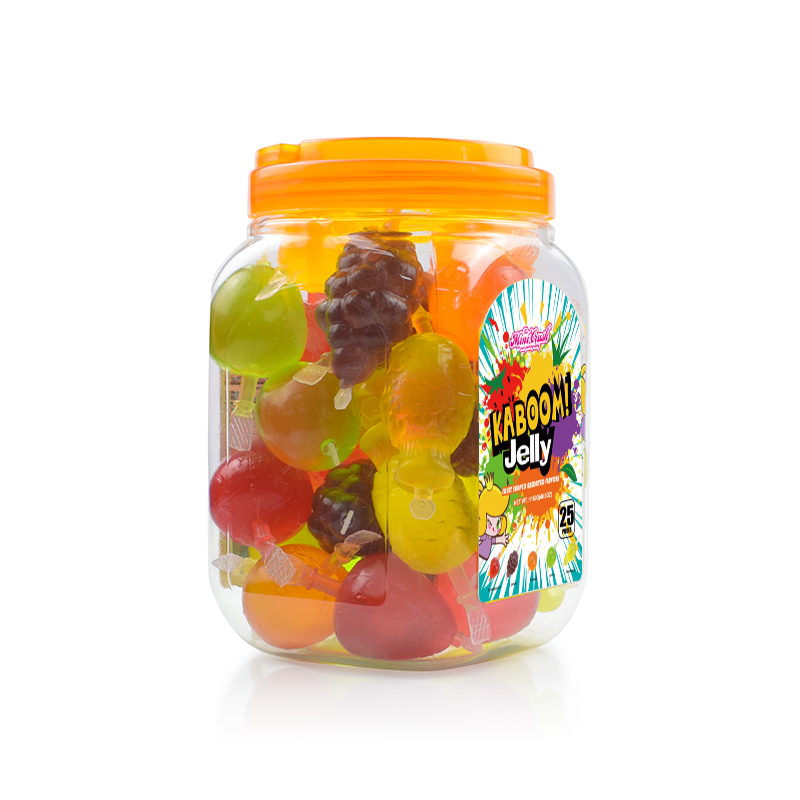
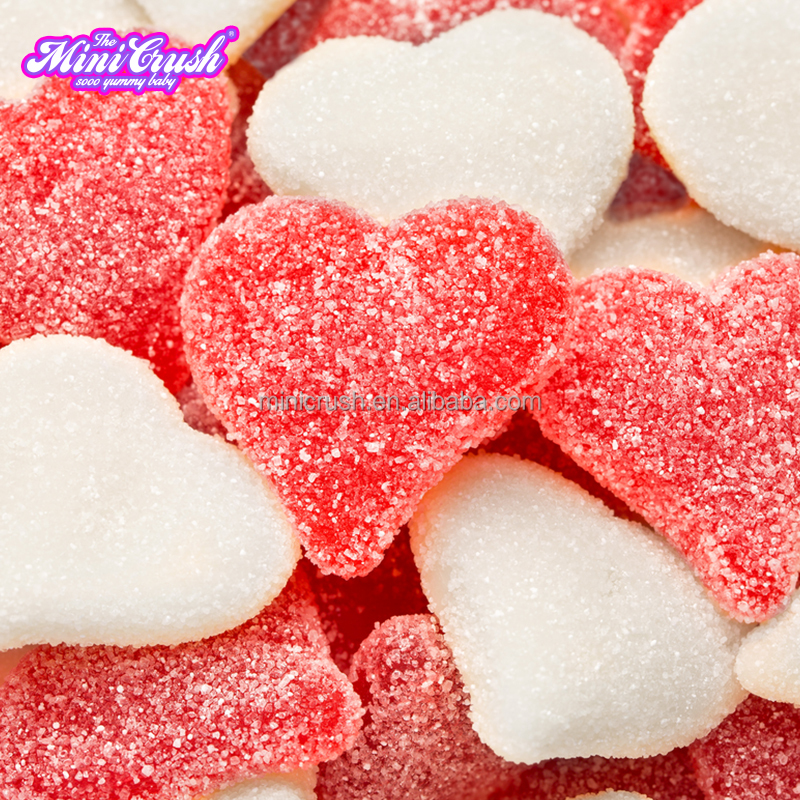
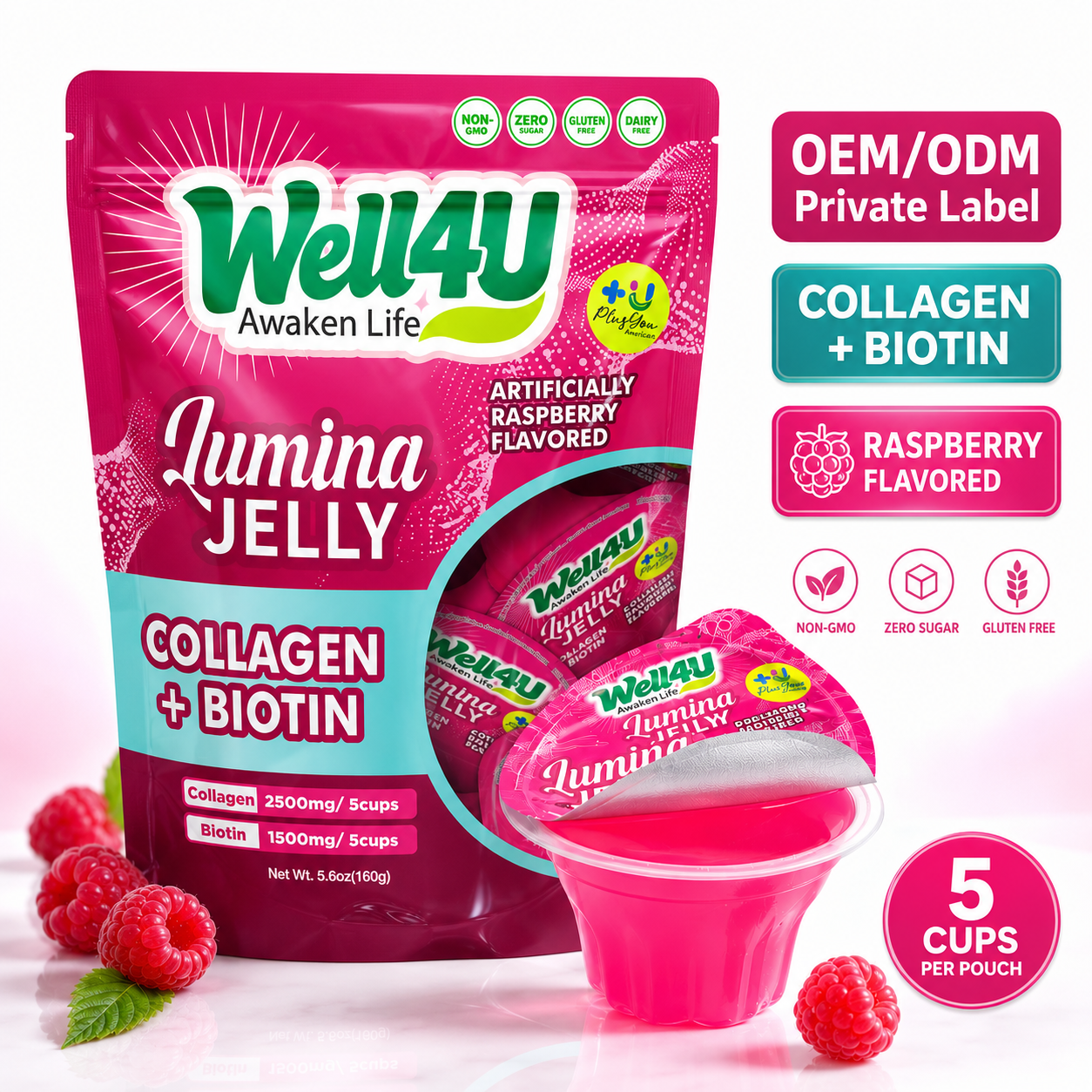
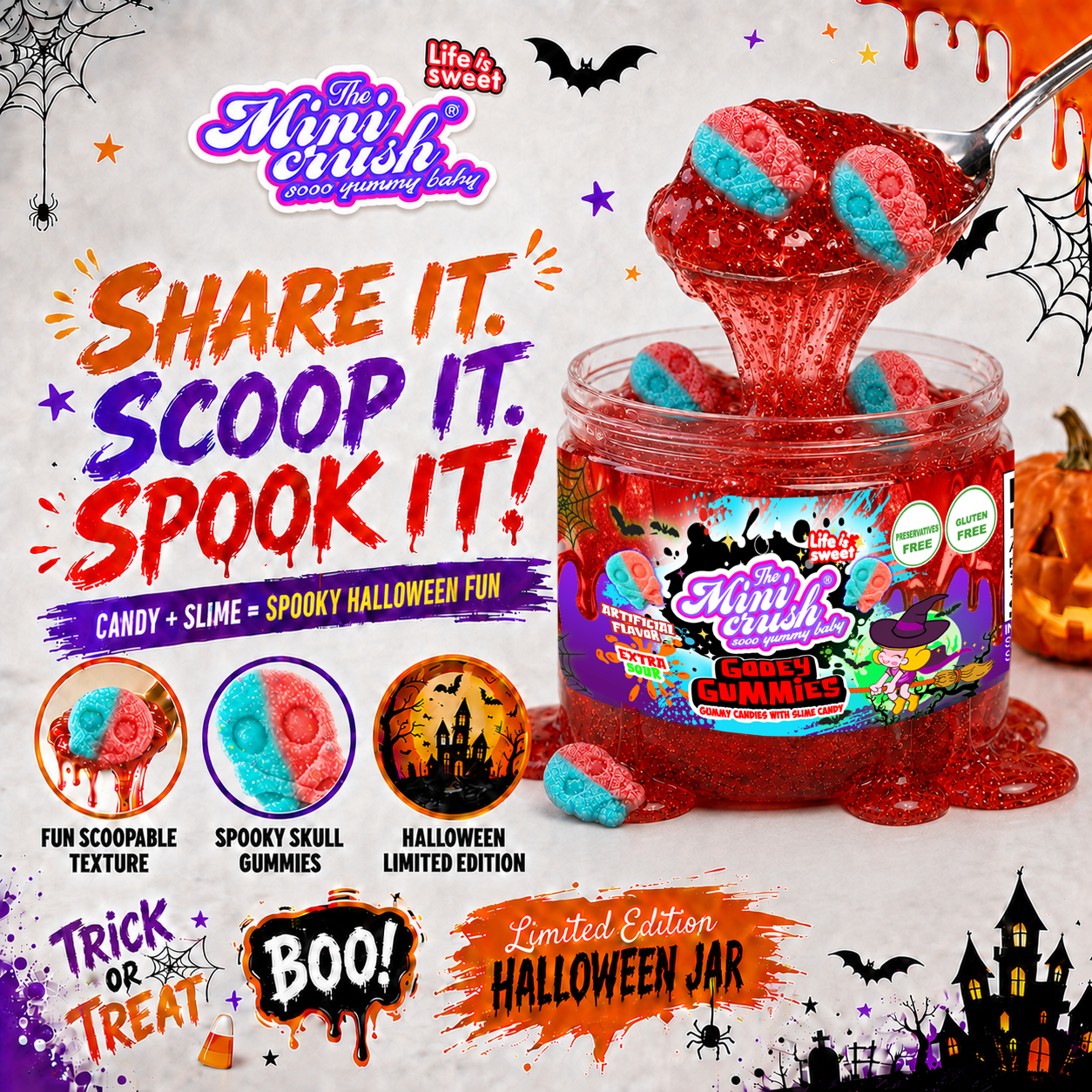


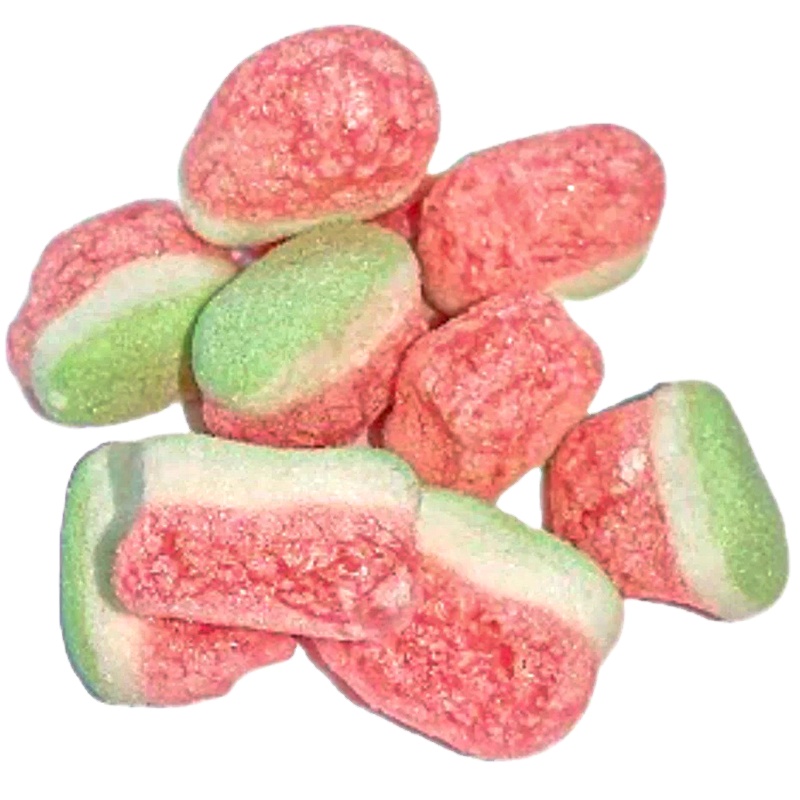
Regulatory Architecture: Understanding CE Certification & Compliance for Orange Jelly Manufacturing
For international buyers, supermarket auditors, and confectionery brand owners, navigating European food safety directives is critical when sourcing fruit jellies. While traditional industrial non-food products require CE marking under specific directives, confectionery packaging, food-contact containers, and novelty toy-integrated jellies imported into the European Single Market must satisfy rigorous safety compliance frameworks often grouped under regional CE and EU food compliance audits.
Leading CE certified orange jelly manufacturers and factories focus on three key compliance pillars: food-contact material safety, physical choking hazard mitigation (EU Directive Commission Decision 2002/247/EC and 2004/374/EC), and strict chemical/microbiological purity. When sourcing commercial-grade orange jelly cups or pouches, verification must extend beyond simple factory declarations to encompass comprehensive laboratory test reports from accredited bodies like Intertek, SGS, or Bureau Veritas.
Critical Sourcing Knowledge for EU Importers: Under European Commission regulations regarding mini-jelly cups containing gel-forming hydrocolloids (such as Konjac, E425), physical dimensions and solubility rheology are strictly scrutinized. Factories manufacturing orange jelly cups for European distribution must manufacture cup sizes exceeding safety thresholds (minimum width criteria) or utilize shear-thinning, non-choking gel formulations that dissolve readily upon mastication.
Key Compliance Metrics for CE & EU Compliance
| Compliance Sector | EU / CE Directives & Standards | Manufacturing Control Standard | Verification Method |
|---|---|---|---|
| Food Contact Packaging | Regulation (EC) No 1935/2004 & EU 10/2011 | Phthalate-free, heavy metal-free polypropylene (PP) cups & peelable aluminum foil lidding | Overall Migration Testing (OMT) & Specific Migration Limits (SML) |
| Choking Risk Prevention | Commission Decision 2004/374/EC | Cup mouth diameter > 39 mm or alternative pouch/squeeze packaging formats | Dimensional Caliper Measurement & Rheological Dissolution Testing |
| Additives & Colorants | Regulation (EC) No 1333/2008 | Natural paprika extract or beta-carotene (E160a) replacing artificialazo dyes | HPLC Quantitation of Colorants & Acid Hydrolysis Purity |
| Microbiological Safety | Regulation (EC) No 2073/2005 | Zero Salmonella, E. coli, Listeria monocytogenes; Yeast & Mold < 10 CFU/g | Aseptic Automated Sampling & Incubation Quality Control |
Technical Formulation: Hydrocolloid Engineering in Orange Jelly Manufacturing
Achieving the quintessential orange jelly experience—combining crystal-clear transparency, radiant orange hue, immediate flavor release, and optimal elasticity—requires precision hydrocolloid engineering. Premium factories do not rely on single-gelling agents; instead, they employ synergistic hydrocolloid blends tailored to target climate zones and consumer preferences.
1. The Synergistic Gel Matrix (Carrageenan, Konjac, and Pectin)
Orange jelly formulation demands balancing acidity with gel cohesion. Citrus juices naturally possess a low pH (typically between 3.2 and 3.8), which can degrade gel strength if exposed to high thermal processing for extended periods. Professional manufacturers utilize a triple-blend approach:
- Kappa-Carrageenan (E407): Provides firm, thermo-reversible structure and clean bite characteristics.
- Konjac Glucomannan (E425): Enhances elasticity, water-holding capacity, and prevents syneresis (water bleeding) during international ocean freight.
- High-Methoxyl Pectin (E440i): Stabilizes low-pH orange concentrate solutions and provides a smooth, authentic fruit-pulp mouthfeel.
2. Acidity Control & Vitamin C Stabilization
Citric acid (E330) and Sodium Citrate (E331) act as the buffering system. Maintaining a pH buffer of 3.6 to 4.0 prevents the acid-hydrolysis of carrageenan polymers during hot-filling at 85°C–90°C. Furthermore, fortifying orange jelly with Ascorbic Acid (Vitamin C) requires vacuum de-aeration before filling to prevent oxidative browning, ensuring the product retains its vibrant sunshine-orange color across a 18-to-24-month shelf life.
Future Procurement & Product Development Trends
Strategic market analysis for distributors, importers, and retail brand procurement directors planning their 2025–2030 confectionery portfolios.
1. Clean-Label Shift: E-Number Reduction & Natural Concentrates
European and North American consumers are increasingly demanding "Clean Label" confectionery. Future procurement strategies prioritize orange jelly manufacturers that have eliminated artificial colors (such as Allura Red or Sunset Yellow) in favor of natural coloring foodstuffs like carrot concentrate, paprika oleoresin, and natural beta-carotene. Furthermore, synthetic orange flavorings are being replaced by cold-pressed Valencia and Florida orange essential oils (d-limonene rich), delivering an authentic orchard aroma without chemical aftertastes.
2. Functional & Better-For-You Fortification
The boundary between traditional impulse candy and functional food is dissolving rapidly. The global market is witnessing an accelerating demand for functional orange jelly SKUs fortified with active ingredients:
- Immunity Boosting Blends: Orange jelly enhanced with Vitamin C (up to 100% NRV per serving), Zinc Citrate, and Elderberry extract.
- Nutricosmetic Collagen Jellies: Hydrolyzed bovine or marine collagen peptides (1,000mg–2,500mg per pouch) paired with orange flavor to mask collagen bitterness.
- Prebiotic Fiber Enrichment: Incorporation of Soluble Corn Fiber or Inulin to support gut health while reducing net sugar content.
3. Sustainable Packaging Innovations & Circularity
With global plastic pacts enforcement and carbon border adjustments, packaging selection has become a board-level procurement decision. Leading factories are rolling out eco-conscious options:
Factory Capability & Enterprise Advantages
Why Tier-1 importers, global brands, and supermarket chains choose Nantong Alinma Food Co., Ltd. as their verified OEM manufacturing partner.
Nantong Alinma Food Co., Ltd. is an established Custom Manufacturer located in Jiangsu, China, operating in close proximity to Shanghai Port. Verified on-site by international inspection authority Intertek, Alinma Food ranks among the Top 10 Confectionery Manufacturers on major B2B export platforms, maintaining an exceptional 4.9/5 overall buyer rating across thousands of completed international trade transactions.
End-to-End OEM / ODM Customization Capabilities
Whether you require minor packaging adjustments or complete recipe development from scratch, our R&D laboratory and automated lines support five distinct customization tiers:
| Customization Level | Scope of Service | Typical Turnaround / Lead Time |
|---|---|---|
| Sample-Based Customization | Exact replication of buyer-provided target taste, gel texture, and orange color profile. | 3 to 5 Days for R&D Samples |
| Minor Customization | Custom logo printing, label adaptation, barcode placement, and outer display carton design. | 7 to 10 Days Artwork Finalization |
| Design-Based Development | Creation of custom cup shapes, animal toy jars, seasonal holiday molds, and retail blister cards. | 15 to 20 Days Mold Tooling |
| Full Custom Formula (ODM) | Development of functional blends (Collagen, Low-Sugar, Prebiotic, Halal Gelatin/Pectin alternatives). | 14 Days Lab Validation |
| Multi-Category Consolidated Sourcing | Combining orange jellies with gummies, freeze-dried candy, and aloe vera drinks into single FCL containers. | Optimized Container Loading Plan |
Frequently Asked Questions (FAQ) for B2B Buyers
Essential answers regarding certification, ordering, MOQ, logistics, and quality assurance for commercial jelly procurement.
- Standard Fruit Jelly Cups & Toy Jars: Starting from 500 cartons.
- Squeeze Jelly Pouches / Sachet Pack: Starting from 1,000 cartons.
- Peelable 3D Gummies & Specialty Bags: Starting from 12,000 retail bags.
- Mixed-SKU Container Plans: We support multi-product mixed container orders to help buyers minimize inventory holding costs.
Accelerate Your Confectionery Sourcing Today
Request custom R&D samples, factory audit reports, or a competitive FCL/LCL quotation directly from our export sales division.
Get a Quote