Featured Commercial Jelly Confectionery Lines
Direct Factory OEM/ODM Sourcing Solutions for Importers, Wholesalers, and Retail Chains


Whitepaper: Engineering & Sourcing CE Certified Grape Jelly Confectionery
The global jelly candy market is experiencing a profound paradigm shift. Modern commercial food procurement requires a sophisticated balance between organoleptic excellence, rigorous food safety certification, shelf-life thermo-stability, and strict regulatory adherence. As a primary CE certified grape jelly candy supplier and wholesaler, Nantong Alinma Food Co., Ltd. presents this comprehensive industrial technical guide to evaluate hydrocolloid matrix formulation, regulatory standards within the European Union and global markets, and scalable supply chain strategies.
1. Hydrocolloid Chemistry & Rheological Rheology of Grape Jelly Matrix
Grape jelly candy formulation is fundamentally an exercise in precise hydrocolloid chemistry. Achieving the optimal chewiness, mouthfeel, and elastic gel strength without incurring moisture syneresis (water separation) during transoceanic transit requires a meticulously calculated gelation framework. Grape flavor profiles—typically modeled after Kyoho, Concord, or Muscat grape varieties—contain distinct organic acid concentrations, predominantly tartaric and malic acids. These acids directly influence pH levels, which in turn impact hydrocolloid gelation kinetics.
Carrageenan & Konjac Synergy
Utilizing a refined Kappa-Carrageenan and Konjac Glucomannan matrix creates a thermoreversible, highly elastic gel structure with high thermal resistance up to 45°C, eliminating melting risks during warm climate shipping.
Low Methoxyl (LM) Pectin
LM Pectin gelation relies on divalent cation cross-linking (Calcium Ca²⁺ bridges) rather than sugar-acid solids, allowing for precise low-sugar formulation while retaining rich grape juice flavor release.
Syneresis Inhibition
By controlling soluble solids (°Brix) between 62% and 68% and setting water activity ($a_w$) below 0.65, our grape jellies prohibit microbial growth and internal water exudation over a 24-month shelf life.
Technical Insight for Bulk Buyers: Artificial anthocyanin color degradation under ambient light is a frequent failure point in grape confectionery. Our formulation integrates natural grape skin extract (E163) stabilized with ascorbic acid to ensure vibrant purple hues remain color-fast for over 700 days without requiring synthetic azo dyes.
2. European Union CE Compliance & Physical Safety Parameters
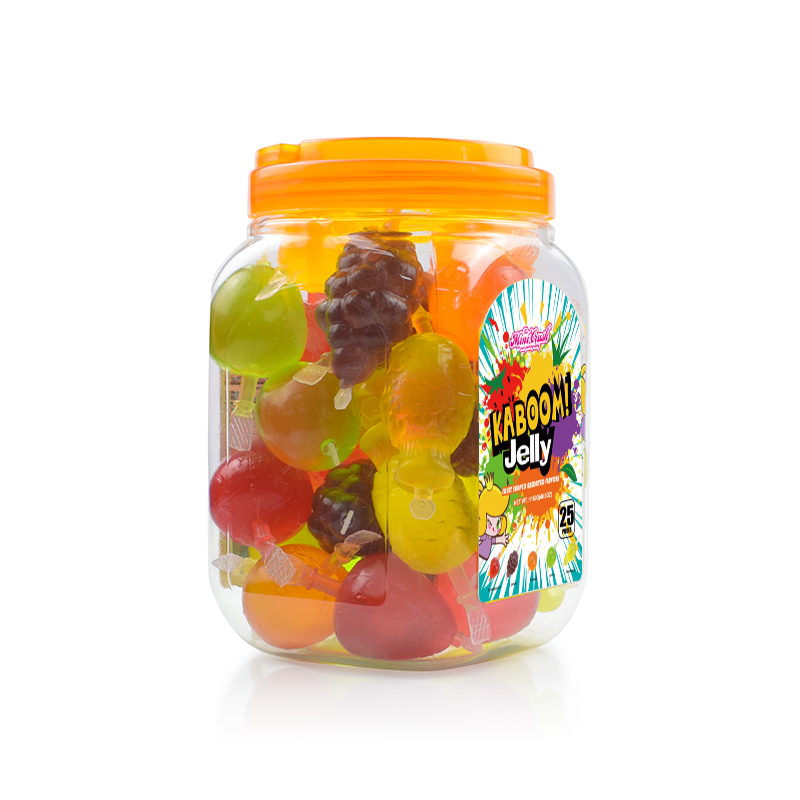
Exporting fruit jelly products to the European Union and North American territories demands strict compliance with physical and chemical safety directives. Under EU Directive 2002/72/EC and Commission Regulation (EC) No 1333/2008, gel mini-cups containing Konjac hydrocolloids are subjected to stringent dimensional and elasticity criteria to prevent physical asphyxiation risks in pediatric demographics.
| Regulatory Dimension | EU / CE Requirement Standard | Nantong Alinma Manufacturing Standard | Commercial Impact |
|---|---|---|---|
| Cup Physical Diameter | Cross-section must exceed 31mm or use non-spherical mouth geometry. | Custom anti-choke wider cup formats (35mm+) & pouch squeeze designs. | 100% legal import compliance across all EU Member States without customs detention. |
| Gel Breakability / Bloom | Controlled dissolution rate; non-instant bite resistance limits. | Calibrated gel strength (120 - 180 g/cm²) optimized for safe mastication. | Prevents airway obstruction risk while delivering premium bite texture. |
| Colorant Regulations | Ban on un-warned Azo dyes (Southampton six coloring limits). | Natural Anthocyanins (E163), Grape Concentrate, Spirulina/Carrot blends. | Clean label designation ("No Artificial Colors"), appealing to modern health-conscious parents. |
| Heavy Metals & Contaminants | Pb < 0.2 mg/kg, Cd < 0.1 mg/kg, As < 0.2 mg/kg. | ICP-MS tested raw materials ensuring Pb < 0.05 mg/kg, As < 0.05 mg/kg. | Exceeds FDA & EFSA toxicological safety baselines. |
3. Future Procurement Trends in Commercial Confectionery (2025–2030)
As consumer preferences evolve globally, enterprise buyers must align their procurement strategies with four key emerging macro trends:
Functional Hydrocolloid Hybrids
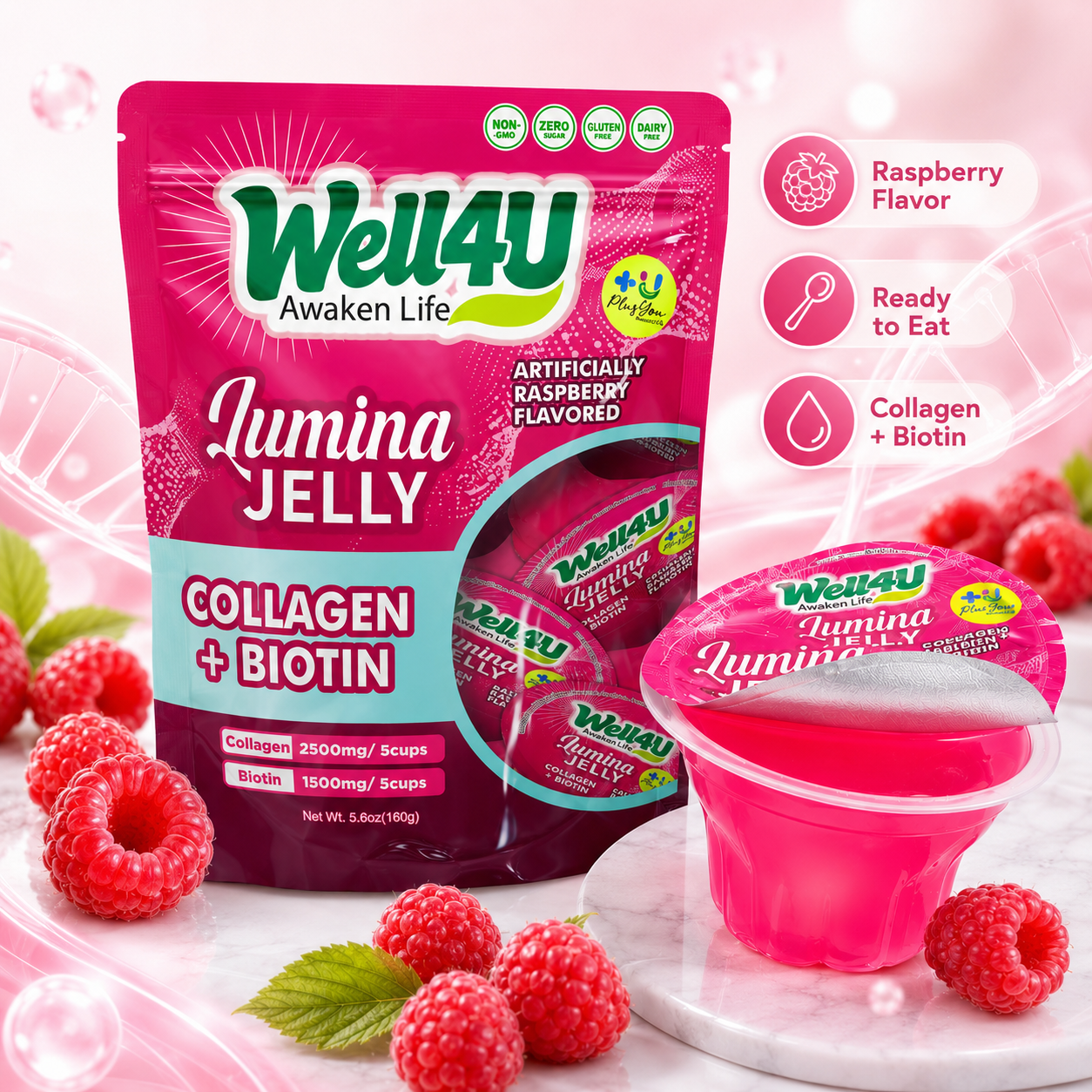
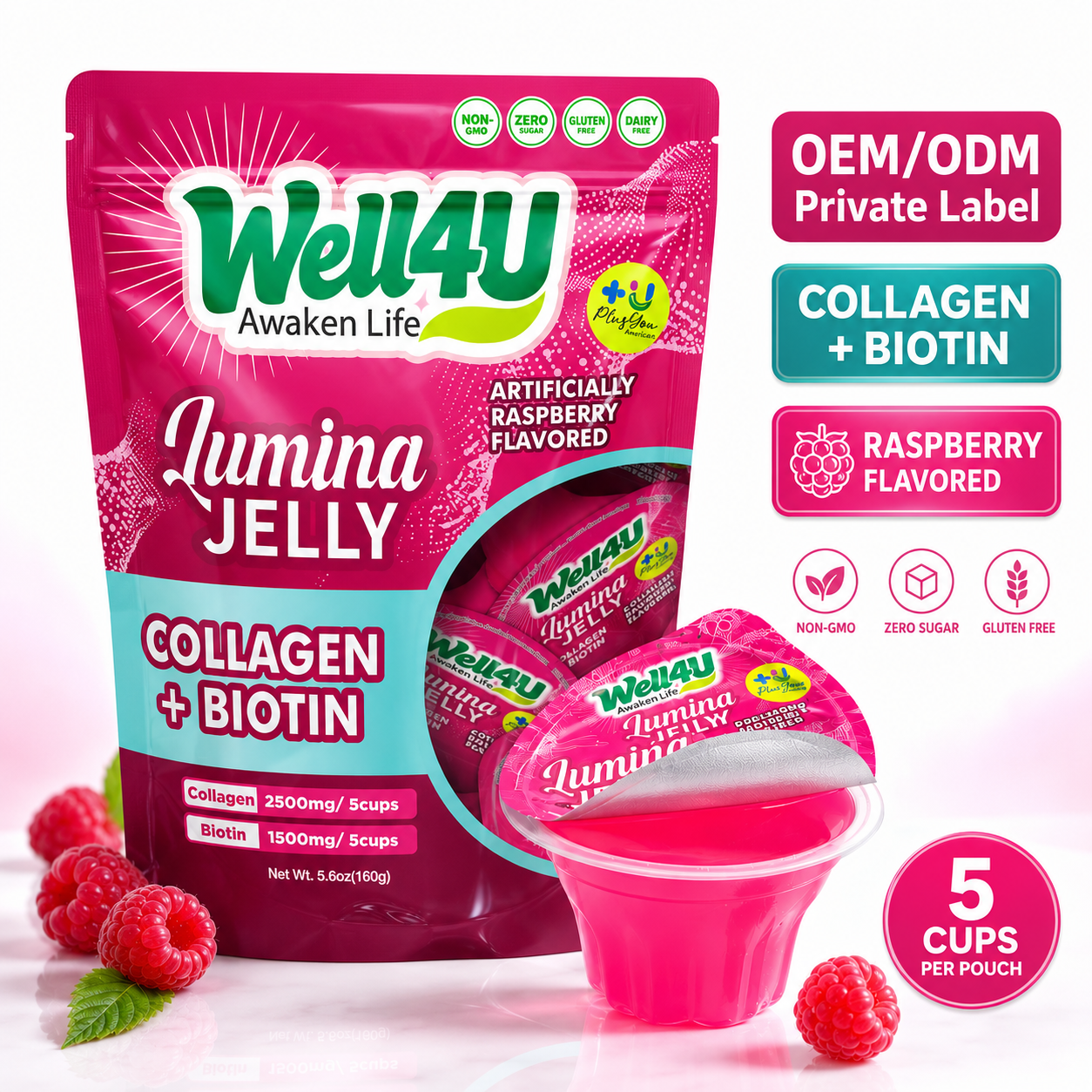
Integration of active nutriceuticals into jelly matrixes—such as Dietary Biotin, Marine Collagen, Vitamin C, and Probiotic Paracasei postbiotics—converting traditional indulgence into functional daily self-care.
Sugar Reduction & Polyol Substitution
Replacing high-fructose corn syrup (HFCS) with Allulose, Erythritol, and Isomalto-oligosaccharides (IMO) to deliver sub-50 kcal serving profiles without compromising the refractive Index or mouth coating of grape jellies.
Interactive & Viral Formats
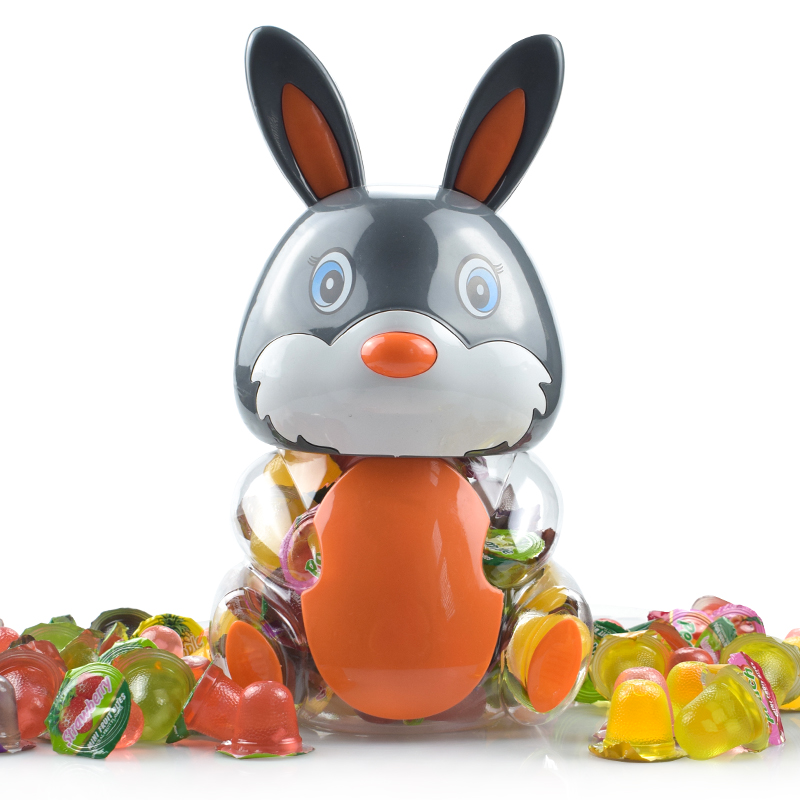
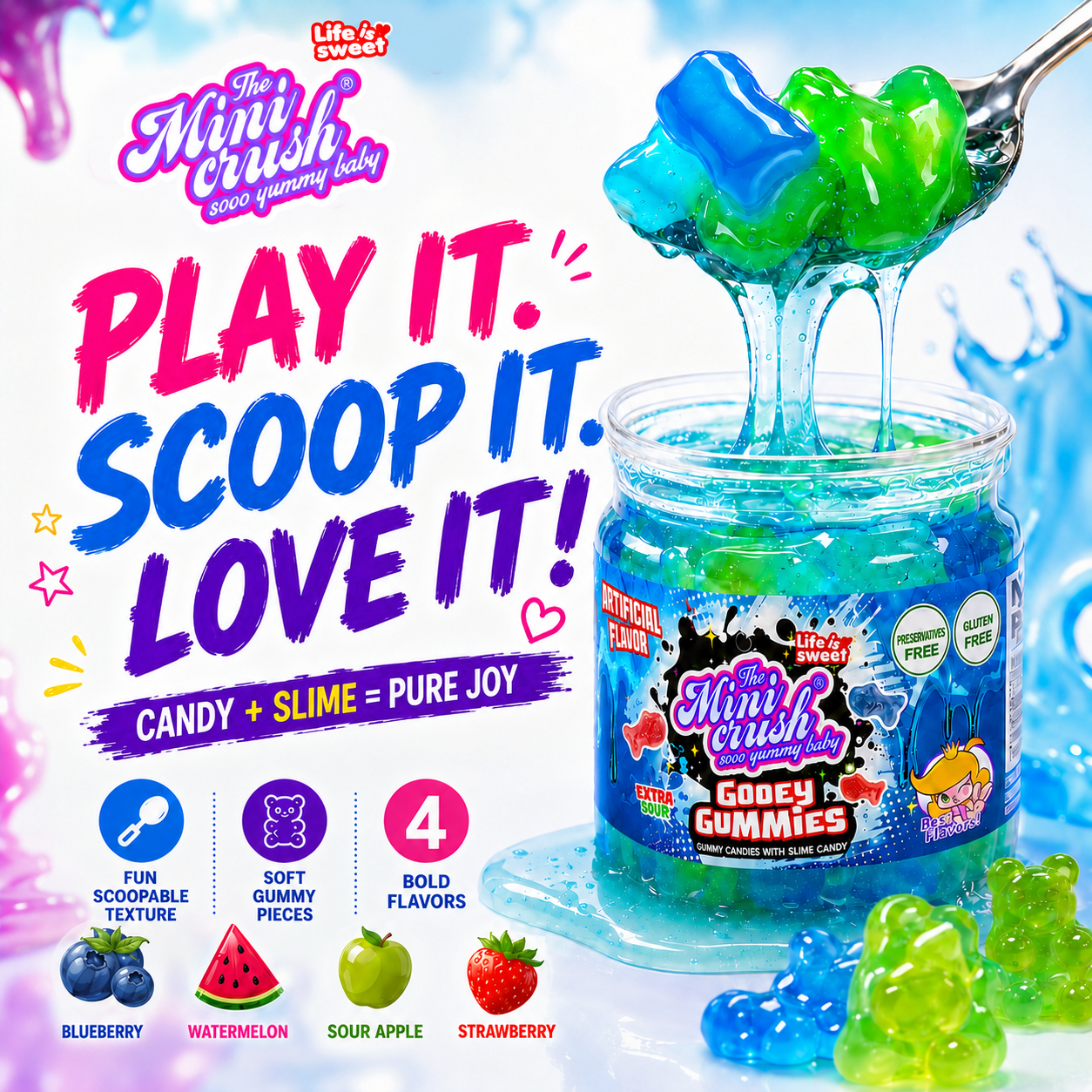
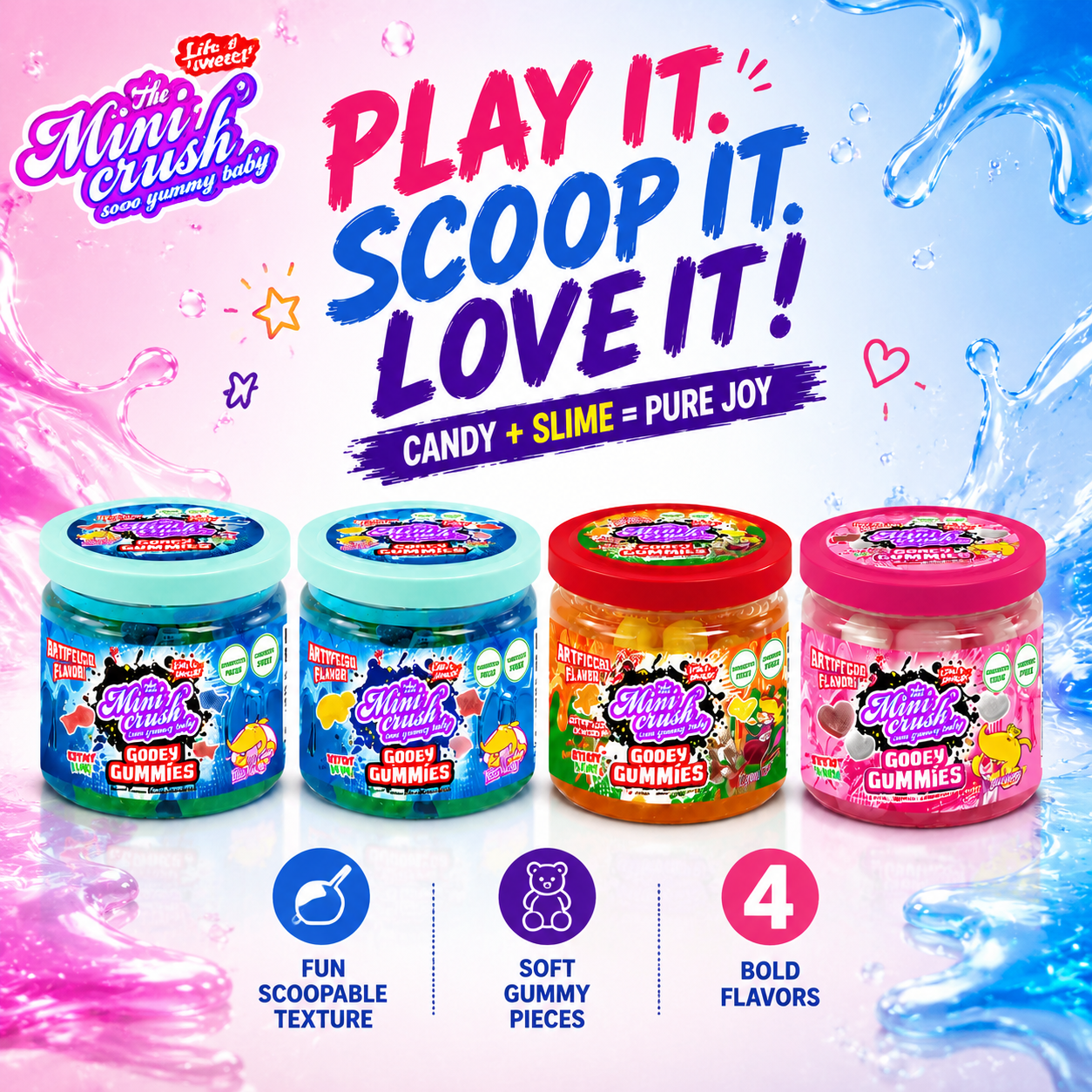
Driven by social platforms like TikTok and Instagram, multi-sensory experiences—such as squeeze liquid slime candy, peelable 3D double-layer grape gummies, and novelty toy jar packaging—drive 3x higher retail velocity.
Enterprise Capability: Nantong Alinma Food Co., Ltd.
Positioned as an industry-leading OEM/ODM custom confectionery manufacturer headquartered in Nantong, Jiangsu, China, Nantong Alinma Food Co., Ltd. operates at the nexus of high-volume industrial automation and bespoke private-label formulation.
Third-Party Audited Production Facility
Our expansive 16,900 m² manufacturing facility and operational capabilities are fully verified on-site by Intertek. We house 81 verified technical specialists operating high-speed automated depositing and thermoforming packaging lines.
Global Sourcing Network & Ecosystem
Beyond our core in-house production lines, Alinma coordinates an integrated supply chain network encompassing 194 cooperating partner factories, enabling multi-category procurement consolidation under one audit standard.
End-to-End Private Label Customization
Full support for sample-based formulation, structural mold creation, custom graphic pouch branding, Halal compliance assurance, and multi-tier quality control (QC) prior to export container loading.
With an annual export turnover reaching US$9.5 Million across North America, Europe, Southeast Asia, and the Middle East, our production systems adhere strictly to ISO22000, HACCP, and HALAL dietary certifications, maintaining an outstanding 4.9/5 verified buyer satisfaction rating.
Frequently Asked Procurement Questions
Technical & Commercial Insights for Importers, Quality Assurance Teams, and Retail Buyers
Partner with a Certified OEM Confectionery Leader
Contact our engineering and export sales team today for factory-direct pricing, customized formulation samples, and comprehensive CE compliance documentation.